
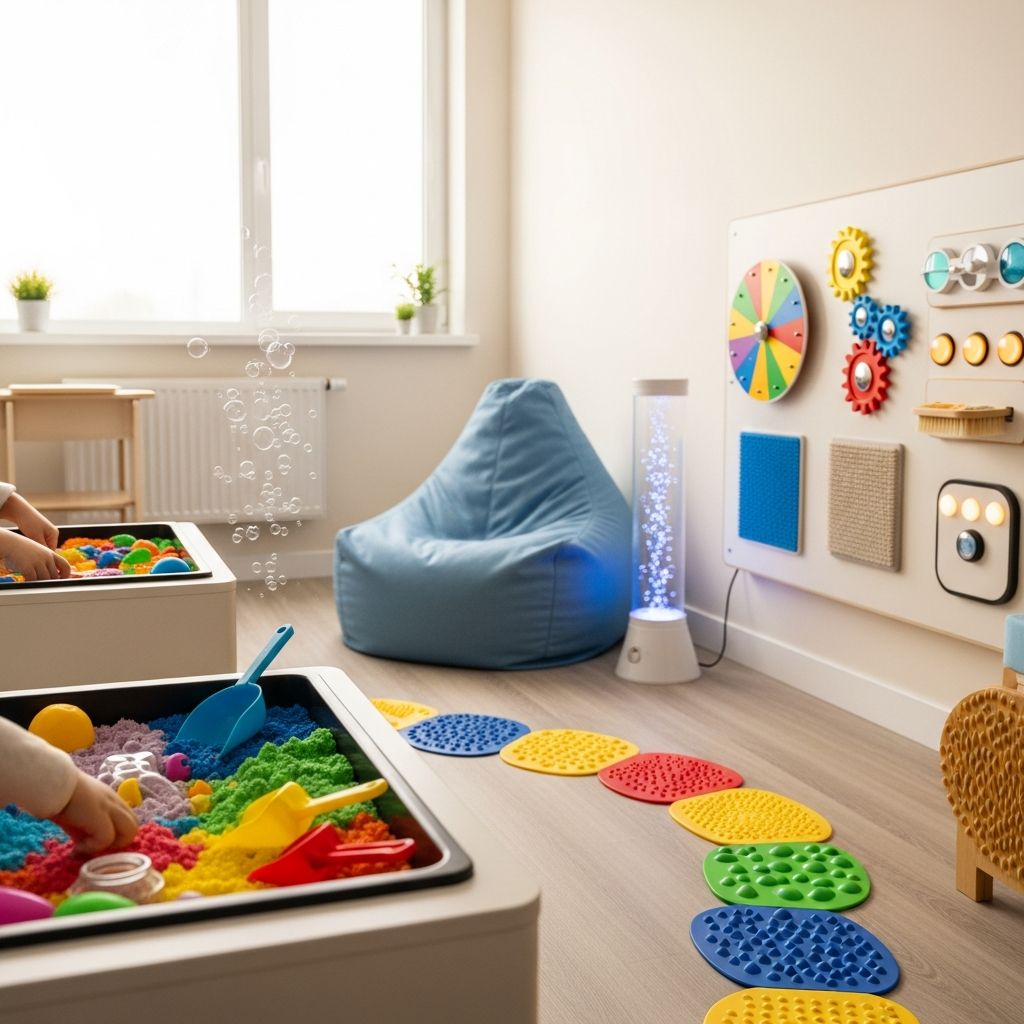
Creating an environment where every student can succeed starts with understanding their unique sensory needs. For children with autism, ADHD, sensory processing disorders, or other special needs, standard school supplies often fall short. Sensory tools provide the tactile, auditory, visual, and proprioceptive input necessary for self-regulation, focus, and comfort during the school day. This guide outlines essential adaptive supplies, their benefits, and practical implementation strategies to help educators and parents prepare for back-to-school success.
Understanding Sensory Needs in the Classroom
Students with special needs frequently experience sensory processing challenges, where the brain struggles to interpret sensory information from the environment. This can lead to overstimulation from noise, lights, or textures, or under-responsiveness requiring more intense input for alertness. Research from educational resources emphasizes tools that deliver deep pressure, movement, or calming stimuli to help these students regulate emotions and attention.
Inclusive classrooms benefit from a variety of sensory supports. Weighted items offer proprioceptive feedback, mimicking a hug to reduce anxiety. Fidget tools occupy restless hands, channeling energy productively. Visual and auditory aids minimize distractions, allowing focus on learning tasks. Integrating these tools not only aids individual students but fosters a calmer, more empathetic class dynamic.
Core Sensory Categories and Recommended Tools
Sensory supplies can be grouped into categories based on the type of input they provide. Here’s a breakdown of must-have items for back-to-school lists:
- Deep Pressure Tools: Items like weighted blankets, lap pads, and compression vests apply firm, even pressure to calm the nervous system.
- Tactile Fidgets: Stress balls, textured grips, and sensory brushes for hands-on stimulation.
- Oral Motor Aids: Chewable jewelry and pencil toppers for safe oral sensory seeking.
- Movement-Based Options: Wobble cushions, bouncy bands, and scooter boards for vestibular input.
- Auditory Protectors: Noise-canceling headphones to block overwhelming sounds.
- Visual Organizers: Schedules, timers, and color-coded labels for structure and predictability.
Top Adaptive Supplies for Daily Use
Weighted Products for Calming
Weighted blankets and lap pads are staples for sensory regulation. These items, typically 5-10% of a child’s body weight, provide deep pressure therapy that promotes relaxation and focus. For classroom use, portable lap pads are ideal during seated activities like reading or tests. Students with autism often report feeling more grounded, reducing fidgeting and meltdowns.
Compression vests offer a wearable alternative, adjustable for all-day use under clothing. They help during transitions, like moving from recess to quiet work time, by maintaining a sense of security.
Fidget and Tactile Tools for Focus
Fidget toys transform restless energy into productive outlets. Stress balls, fidget spinners, and textured pencil grippers keep hands busy without disrupting lessons. A spike silicone grip, for instance, combines writing support with tactile bumps for subtle stimulation.
Sensory brushes deliver quick tactile input, brushing arms or legs to reset sensory systems. Desk organizers with built-in fidgets, like bouncy bands for foot movement, allow discreet activity under desks.
Oral Sensory Solutions
Many students seek oral input through chewing on shirts or pencils. Chewelry—durable, necklace-style chewables—provides a hygienic alternative. Pencil toppers and chewy bookmarks offer the same benefits during writing tasks. These tools prevent damage to school materials while meeting sensory cravings.
Seating and Movement Innovations
Static desks exacerbate sensory issues; dynamic seating engages core muscles and provides vestibular input. Wobble cushions, yoga ball chairs, or wedge seats let students rock subtly for better attention. Bouncy bands attached to chair legs enable foot bouncing, improving circulation and focus without standing.
For physical education or breaks, scooter boards and body socks encourage proprioceptive play, helping expend energy constructively.
Organizational Aids for Structure
Predictability reduces anxiety. Visual schedules with pictures or Velcro pieces outline the day, easing transitions. Portable timers with visual cues signal activity ends, preventing power struggles. Color-coded labels on bins and folders simplify material location, supporting executive functioning skills.
| Tool | Benefit | Best For |
|---|---|---|
| Visual Schedule | Promotes routine awareness | Daily transitions |
| Portable Timer | Teaches time management | Task completion |
| Color-Coded Labels | Quick identification | Organization |
| Task Cards | Step-by-step guidance | Independent work |
Creating a Sensory-Friendly Backpack
A well-stocked backpack is a portable sensory kit. Include a spill-proof water bottle, insulated lunchbox with easy zippers, and multi-compartment design for organization. Add a small fidget backpack insert with chew tools, a mini lap weight, and headphones for on-the-go needs.
Choose sensory-friendly fabrics: soft, tagless straps and lightweight materials prevent tactile irritation. Personalize with motivational stickers to build excitement for school.
Implementing Sensory Tools Effectively
Introduce tools gradually to avoid overwhelming students. Collaborate with occupational therapists for personalized recommendations. Train the class on respectful use, framing tools as “brain breaks” for everyone. Monitor effectiveness through behavior logs, adjusting as needs evolve.
Budget tips: Start with multi-use items like a weighted stuffed animal that doubles as a lap pad. Seek grants from special education funds or school supply discounts for bulk purchases.
Benefits Backed by Evidence
Studies show sensory tools improve on-task behavior by up to 30% in students with autism and ADHD. Deep pressure reduces cortisol levels, enhancing emotional regulation. Flexible seating boosts engagement, as movement aids dopamine release for better concentration.
Frequently Asked Questions (FAQs)
What are the best sensory tools for beginners?
Start with a weighted lap pad, fidget spinner, and noise-canceling headphones. These versatile items address common needs without complexity.
How do I choose the right weight for blankets?
Calculate 5-10% of the child’s body weight, plus 1-2 pounds for safety. Consult a therapist for precision.
Are sensory tools distracting to other students?
When used discreetly, they reduce disruptions. Educate the class to normalize accommodations.
Where can I find affordable sensory supplies?
Check educational suppliers for classroom sets. Many offer sensory kits under $20 per item.
Can sensory tools help with homework at home?
Yes, replicate school setups with home versions of fidgets and schedules for consistency.
Building a Comprehensive Sensory Classroom Kit
Assemble a class set: 1 weighted blanket per 5 students, individual fidgets, shared sensory bins with rice or slime for free play. Incorporate sensory lamps or bubble tubes for ambient calming during group work. Interactive panels and therapy balls add fun to lessons.
For larger spaces, ball pools or tunnels provide break areas. Conversation cubes facilitate social skills practice with sensory twists like textured surfaces.
Teacher self-care matters too—stock adult fidgets to model regulation. Parent involvement amplifies success; share supply lists at open house.
In summary, sensory tools transform challenges into strengths, empowering special needs students to engage fully. Proactive preparation ensures smooth starts and sustained progress throughout the year.
References
- Back To School Supplies For Students Who Have Special Needs — Therapy Shoppe. Accessed 2026. https://therapyshoppe.com/back-to-school-supplies-special-needs/
- Essential School Supplies for Students with Autism — New Story Schools. Accessed 2026. https://newstoryschools.com/blog/essential-school-supplies-students-autism
- Top 35 Adaptive School Supplies for Kids with Disabilities — Undivided. Accessed 2026. https://undivided.io/resources/top-35-adaptive-school-supplies-for-kids-with-disabilities-1240
- Sensory Tools for Classrooms — TFH Special Needs Toys USA. Accessed 2026. https://specialneedstoys.com/usa/sensorytools
- Sensory Processing Tools — School Specialty. Accessed 2026. https://www.schoolspecialty.com/special-needs/sensory-processing
- Sensory Products from $2.99 for 2026 — Discount School Supply. 2026. https://www.discountschoolsupply.com/shop/school/sensory-products

- Integrated M.A. in Applied Linguistics, University of Hyderabad
- 5+ years in editorial, instructional, SEO, and research-based writing
Sneha is a relationships and lifestyle writer with a strong foundation in applied linguistics and certified training in relationship coaching. She brings over five years of writing experience to theskillvault, crafting thoughtful, research-driven content that empowers readers to build healthier relationships, boost emotional well-being, and embrace holistic living. Her writing and insights reflect the belief that beauty, happiness, and wellness…