
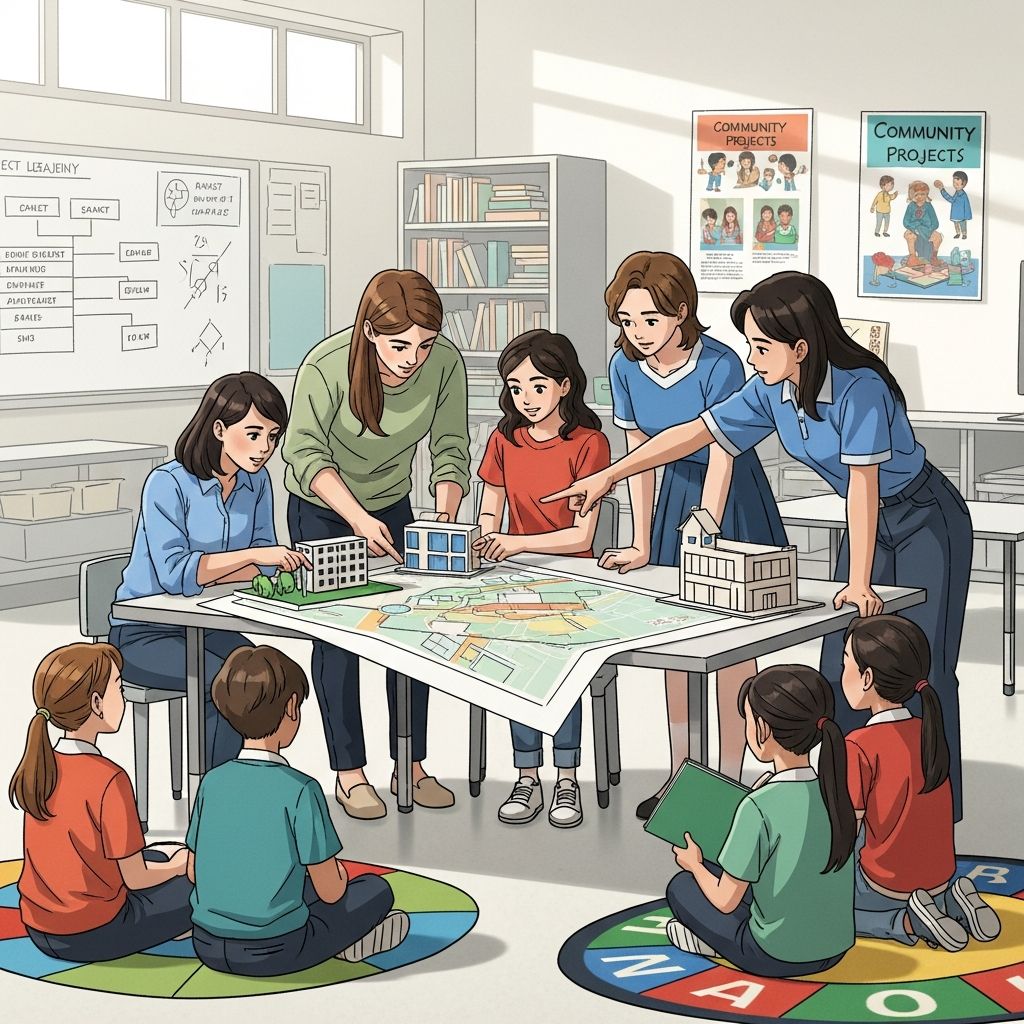
Service learning combines academic instruction with meaningful community service, creating transformative educational experiences for students. This approach not only reinforces classroom lessons but also cultivates essential life skills like empathy, leadership, and problem-solving. Educators can implement it without overhauling their schedules by starting with simple, targeted projects that align with existing curricula.
Understanding the Foundations of Service Learning
At its core, service learning differs from traditional volunteering by tying hands-on service directly to academic objectives. Students investigate real-world issues, plan solutions, take action, reflect on outcomes, and demonstrate their learning. This structured process, often called IPARD (Investigation, Preparation & Planning, Action, Reflection, Demonstration), ensures projects are educationally rigorous.
Research shows service learning boosts self-esteem, reduces behavioral issues, and deepens critical thinking. It promotes mutual respect and strengthens classroom dynamics, making it a powerful tool for holistic student development.
Key Principles for Successful Implementation
To maximize impact, service learning projects must adhere to core principles. These include addressing genuine community needs, connecting to curriculum standards, empowering student voice, incorporating reflection, and involving local partners.
- Address Real Needs: Projects should solve identifiable problems, such as food insecurity or environmental concerns, ensuring relevance and motivation.
- Curriculum Alignment: Link activities to subjects like math (data analysis from surveys) or language arts (persuasive writing for awareness campaigns).
- Student Ownership: Allow learners to lead, fostering agency and innovative ideas.
- Reflection Opportunities: Regular check-ins help students process experiences and connect them to learning goals.
- Community Partnerships: Collaborate with local organizations for authenticity and sustainability.
Step-by-Step Guide to Launching Projects
Begin by setting clear goals tied to desired outcomes, such as data analysis in math or empathy-building in social studies. Identify activities that match these, like surveys or fundraisers, and develop evaluation metrics.
Phase 1: Investigation
Students research community issues through discussions, surveys, or guest speakers. For instance, they might analyze local hunger statistics to justify a food drive.
Phase 2: Planning
Groups brainstorm solutions, create timelines, and assign roles. Tools like visual brainstorming or infographics aid this stage.
Phase 3: Action
Execute the plan with hands-on tasks, from collecting donations to organizing events. Safety and logistics are paramount.
Phase 4: Reflection
Use journals, discussions, or art to explore personal growth and project impacts. This solidifies learning.
Phase 5: Demonstration
Showcase results via presentations, videos, or portfolios, celebrating achievements and sharing knowledge.
Practical Project Ideas Across Grade Levels
Adapt projects to age groups and subjects for seamless integration. Here are versatile examples:
| Grade Level | Project Idea | Curriculum Tie-In | Community Impact |
|---|---|---|---|
| Elementary | Kindness Campaign | Language Arts (storytelling), Social-Emotional Learning | Reduces bullying, builds empathy |
| Middle School | Pencil/School Supply Drive | Math (graphing collections), Writing (thank-you letters) | Supports low-income peers |
| High School | Environmental Audit & Recycling Initiative | Science (data tracking), Public Speaking | Promotes sustainability |
Elementary-Focused Initiatives
Younger students thrive with simple acts like reading to peers at libraries or crafting cards for seniors. These build compassion while practicing literacy skills.
Middle School Engagement
Host bake sales for animal shelters or plant drives for school beautification. Incorporate graphing donation trends or growth charts.
High School Challenges
Tackle complex issues like voter education workshops or homelessness awareness campaigns, integrating research papers and debates.
Overcoming Common Challenges
Time constraints worry many teachers, but short two-week projects yield big results without extra planning. Start local—address school needs first.
Secure resources via grants or partnerships; programs like GenerationOn offer free toolkits. Train students in safety protocols to mitigate risks.
Measuring Success and Long-Term Benefits
Evaluate through student journals, pre/post surveys, and community feedback. Track academic gains, like improved math scores from data projects, alongside softer outcomes like increased civic engagement.
Long-term, participants show higher empathy, better college/career readiness, and sustained volunteering habits.
Frequently Asked Questions (FAQs)
What is the difference between service learning and community service?
Service learning integrates structured reflection and academic goals with service, while community service focuses solely on the act of helping.
How much time does it take to plan a project?
Begin with 2-week initiatives requiring minimal prep; expand as comfort grows.
Can service learning fit any subject?
Yes—math via statistics, science through experiments, history with cultural projects.
What if my school lacks community partners?
Start internally (e.g., peer tutoring) or use virtual options like letter-writing campaigns.
Are there free resources available?
Absolutely; sites like Project Learning Tree and Health World Education provide toolkits and grants.
Advanced Strategies for Scaling Impact
Once basics are mastered, scale with multi-class collaborations or year-long initiatives. Involve parents via family volunteer days, amplifying reach.
Leverage technology: students create apps for community alerts or podcasts on local history. These blend digital literacy with service.
Document projects in portfolios for college applications, turning experiences into tangible assets.
Service learning transforms passive learners into active change-makers. By embedding it thoughtfully, educators create lasting ripples in classrooms and communities alike.
References
- 5 Ways to Encourage Summertime Service Learning — Method Schools. 2017-07-03. https://www.methodschools.org/blog/5-ways-to-encourage-summertime-service-learning
- How to Use Service Learning to Engage Kids — Edutopia. N/A. https://www.edutopia.org/service-learning-fowler-how-to
- 5 Free Resources for Service Learning Projects — Health World Education. N/A. https://www.healthworldeducation.org/post/5-free-resources-for-service-learning-projects
- Six Steps for Successful Service Learning — Project Learning Tree. N/A. https://www.plt.org/educator-tips/6-steps-for-successful-service-learning/
- 5 Steps to Creating an Effective & Engaging Service-Learning Experience — National Youth Leadership Council. N/A. https://nylc.org/5-steps-to-creating-an-effective-engaging-service-learning-experience/
- The Teacher’s Guide to Service Learning [+ 5 Examples] — Prodigy Game. N/A. https://www.prodigygame.com/main-en/blog/service-learning

- Integrated M.A. in Applied Linguistics, University of Hyderabad
- 5+ years in editorial, instructional, SEO, and research-based writing
Sneha is a relationships and lifestyle writer with a strong foundation in applied linguistics and certified training in relationship coaching. She brings over five years of writing experience to theskillvault, crafting thoughtful, research-driven content that empowers readers to build healthier relationships, boost emotional well-being, and embrace holistic living. Her writing and insights reflect the belief that beauty, happiness, and wellness…