
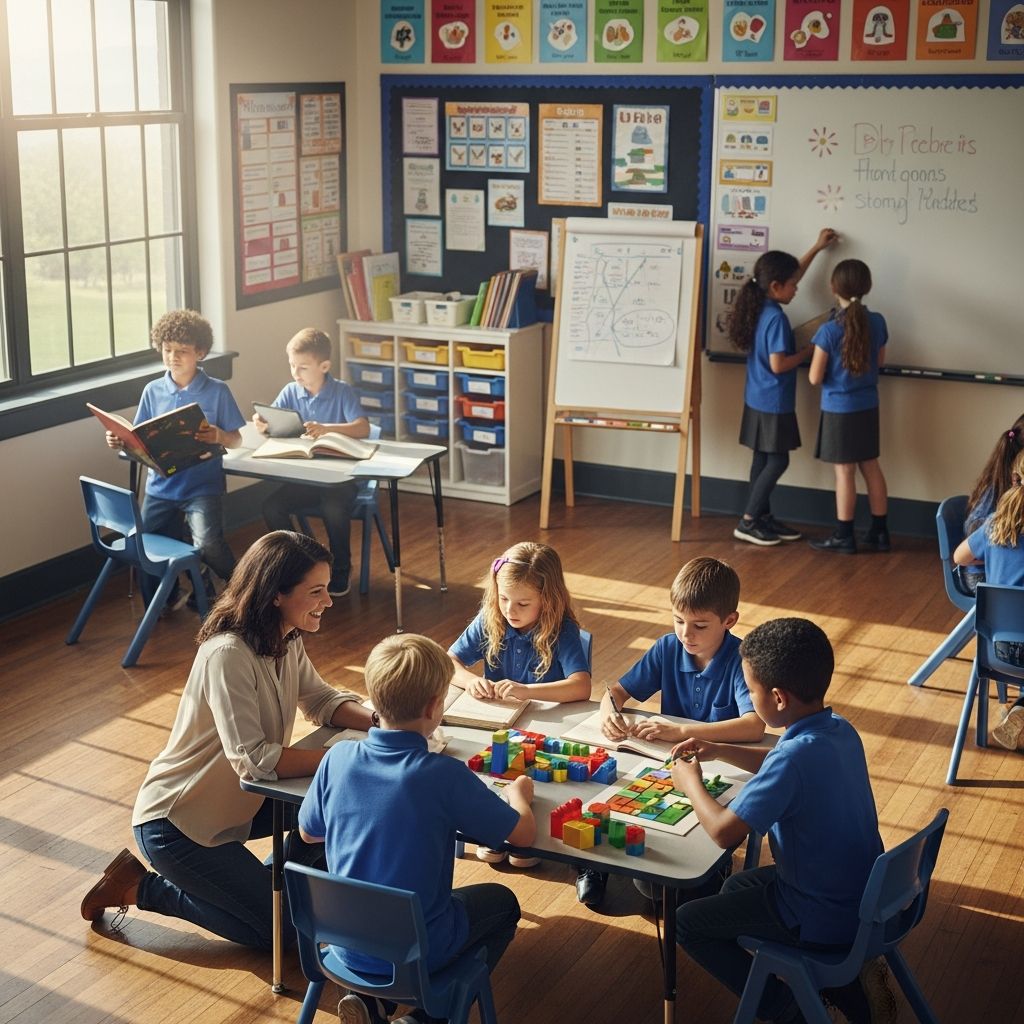
Transforming the initial moments of your class into purposeful, engaging experiences can set a positive tone for the entire day. These five strategies, drawn from proven educational practices, help students transition smoothly, build connections, and dive into learning with enthusiasm. By implementing them consistently, teachers can foster deeper participation and a supportive classroom culture.
Strategy 1: Establish Welcoming Entry Rituals
Creating a structured yet warm entry process signals to students that class time is valuable and focused. As students arrive, they should know exactly what to do without needing prompts, reducing chaos and building independence. Research shows that clear routines at the start enhance student self-regulation and readiness for instruction.
Begin by designating specific spots for bags and personal items to streamline settling in. Follow this with a visual daily agenda on the board or screen, featuring a greeting, key objectives, and a quick task like a word of the day or reflection prompt. This not only orients students but also reinforces language skills and goal-setting.
- Unpack and organize: Students place belongings in assigned cubbies or hooks within 60 seconds.
- Smartboard check-in: Greet the screen message and complete a 2-minute warm-up, such as journaling a weekend highlight.
- Independent reading nook: Provide access to a class library for those finishing early, promoting a love for literacy.
For fast finishers, prepare catch-up folders with spiral review sheets or task cards offering choices like puzzles or vocabulary builders. This keeps everyone productive and minimizes downtime disruptions.
Strategy 2: Ignite Focus with Mindfulness Moments
Incorporate brief mindfulness exercises to help students shift from external distractions to classroom presence. These activities calm the mind, reduce anxiety, and prime brains for absorption. Studies in inclusive pedagogy emphasize how such practices promote equitable participation by centering quieter voices.
Try a “golden silence” ritual: Ring a chime and invite students to listen until the sound fades, starting at 30 seconds and building up. Pair it with a five-senses grounding: Name five things you see, four you can touch, three you hear, two you smell, and one you taste. This sensory anchor grounds students effectively across grade levels.
| Grade Level | Mindfulness Adaptation |
|---|---|
| Elementary | Guided breathing with animal visuals (e.g., balloon breaths). |
| Middle | Transition circles sharing one transition challenge. |
| High School | Quote reflection: Respond to an inspirational prompt in journals. |
Responding to journal entries personally builds trust, turning quiet moments into dialogues that value every student’s input.
Strategy 3: Foster Community Through Icebreakers
Daily connections combat isolation and enhance collaboration. Simple interactions like greeting a neighbor forge bonds, making the classroom feel like a team. Responsive Classroom approaches highlight how early community-building leads to sustained positive behaviors.
Rotate prompts weekly: “Share your week’s win with someone new” or “High-five three classmates while saying their name.” For deeper ties, use “epiphany shares” where students voice recent insights, sparking interdisciplinary discussions.
- Neighbor chats: 1-minute talks on topics like “How’s your week?”
- Success celebrations: Spotlight personal or academic victories voluntarily.
- Object shares: Bring an item of meaning and explain its story briefly.
These low-stakes activities shift focus from teacher-led to peer-driven, aligning with active learning principles that deepen comprehension.
Strategy 4: Spark Creativity with Quick Creations
Hands-on openers activate multiple intelligences and energize the room. Short collaborative builds encourage teamwork without pressure. Educators note that such kinesthetic starts boost retention by linking fun to content.
In pairs or small groups, provide materials like paper scraps for word poems, digital tools for shared docs, or blocks for themed models (e.g., build a habitat). Set a 3-minute timer, then showcase one per group. Digital options like Padlet allow virtual entry tickets for remote hybrids.
Extend to subject ties: In science, arrange recyclables into machines; in math, pattern with shapes. This primes brains for complex thinking while checking attendance organically.
Strategy 5: Integrate Relevant Sparks
Connect openers to real-world hooks, making learning immediate and relatable. Current events or personal ties personalize education, increasing motivation. Even in core subjects, links to news or student lives amplify relevance.
Curate a rotating menu: Music playlists for ambiance (student-voted via Spotify), rearranged seating for visibility, or global issue reactions via anonymous cards. In elections, discuss civics; in math, news stats. Always tie back to lesson goals.
- Playlist power: Ambient tunes shift mood collaboratively.
- Seating shifts: Circles or groups emphasize peers over fronts.
- Event links: Personalize tough topics like climate with creative expressions.
Voice level systems (e.g., “whisper like wolves”) ensure smooth transitions, reinforcing routines visually.
Implementing for Long-Term Success
Introduce one strategy weekly, modeling explicitly and practicing repeatedly. Co-create rules on day one for ownership, using chimes for attention resets. Track impact via quick end-of-week surveys: “What opener helped most?” Adapt based on feedback, ensuring inclusivity.
Challenges like time constraints? Shrink to 2-3 minutes. Diverse needs? Offer choices (write/draw/share). Consistency yields calm, questioning-free classrooms where learning thrives.
Frequently Asked Questions (FAQs)
What if students resist new routines?
Start small, explain benefits, and involve them in choices. Positive reinforcement like shout-outs builds buy-in quickly.
Can these work in large classes?
Yes—use pair-shares before whole-group, or digital tools for scalability. Focus on high-impact, low-prep options.
How do I differentiate for grade levels?
Tailor complexity: Sensory for youngers, reflective for olders. The table above provides grade-specific tweaks.
What about hybrid or remote settings?
Adapt with shared docs, Padlet walls, or breakout rooms. Visual agendas on LMS platforms maintain structure.
Do these save time overall?
Absolutely—fewer disruptions mean more instruction time. Routines automate management, freeing energy for teaching.
References
- Five-Minute Starts: Fifteen Ideas to Ignite Your Class — Faculty Focus. 2013 (referenced for foundational principles, timeless strategies). https://www.facultyfocus.com/articles/effective-teaching-strategies/five-minute-starts-fifteen-ideas-to-ignite-your-class/
- Engaged Teaching: “Do Now” Activities for Your Lessons — Edutopia. N/A. https://www.edutopia.org/blog/engaged-teaching-do-now-activities-sel-lessons-maurice-elias
- Five Things Every Teacher Should Do on the First Day of School — Responsive Classroom. N/A. https://www.responsiveclassroom.org/five-things-every-teacher-should-do-on-the-first-day-of-school/
- 17 Must-Try Classroom Routines for Elementary Teachers — Teach Starter. N/A. https://www.teachstarter.com/us/blog/5-simple-ways-develop-routines-classroom-us/

- Integrated M.A. in Applied Linguistics, University of Hyderabad
- 5+ years in editorial, instructional, SEO, and research-based writing
Sneha is a relationships and lifestyle writer with a strong foundation in applied linguistics and certified training in relationship coaching. She brings over five years of writing experience to theskillvault, crafting thoughtful, research-driven content that empowers readers to build healthier relationships, boost emotional well-being, and embrace holistic living. Her writing and insights reflect the belief that beauty, happiness, and wellness…