
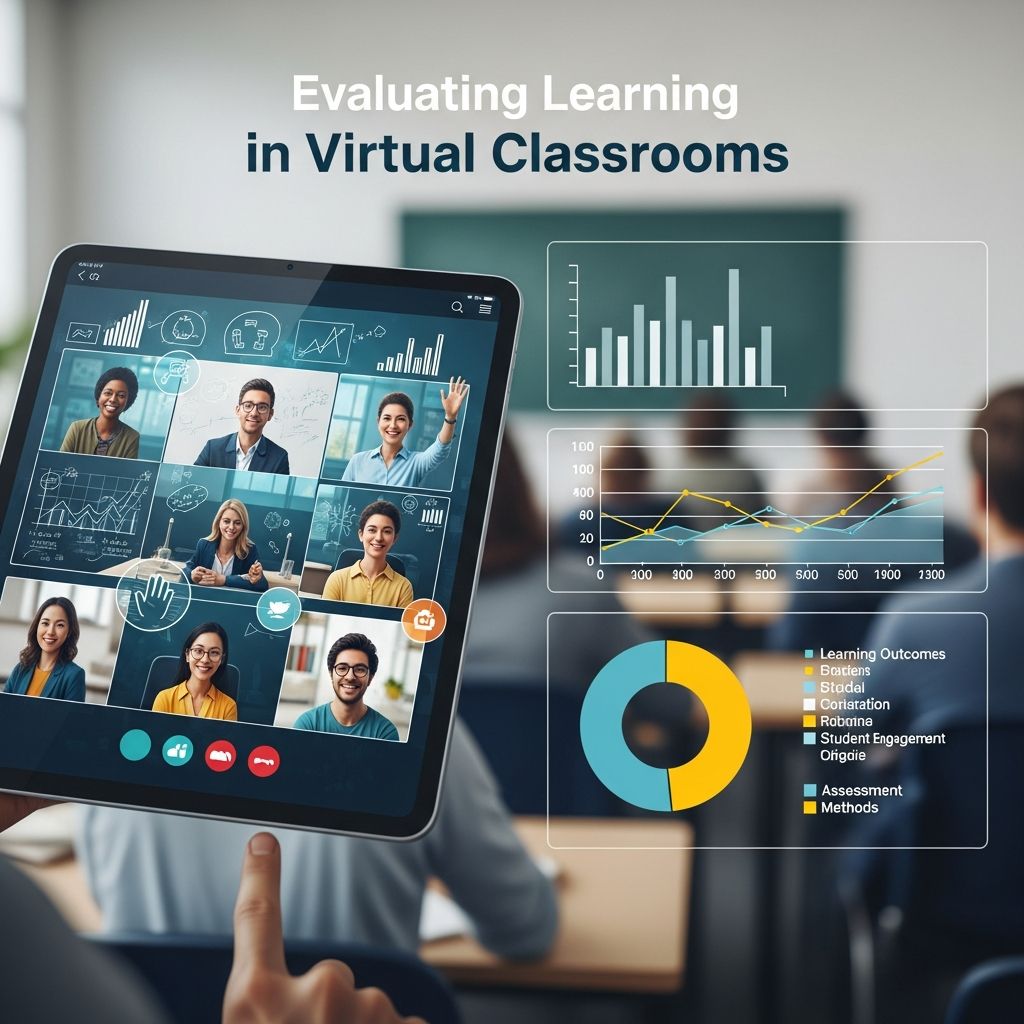
In the shift to remote and hybrid learning models, educators face the critical challenge of verifying student comprehension without traditional in-person cues. Effective evaluation methods provide real-time insights into progress, allowing timely interventions to support diverse learners.
Why Traditional Assessments Fall Short Online
Conventional exams and quizzes often fail in digital settings due to issues like cheating risks, technical barriers, and lack of immediate feedback. Remote environments demand flexible, authentic measures that capture genuine skill application rather than rote memorization.
Studies highlight that pre-pandemic challenges in assessing understanding have intensified, with tools needing to deliver instant, curriculum-aligned data on engagement and mastery. Educators must prioritize methods revealing not just what students know, but how they think and apply knowledge.
Shifting to Authentic Evaluation Approaches
Authentic assessments mirror real-world tasks, fostering deeper learning. These include performance-based activities where students solve problems or create outputs demonstrating competencies across subjects.
- Project-Based Challenges: Assign tasks like designing a sustainable community model, integrating math, science, and research skills. Rubrics ensure clear expectations, promoting ownership and visible progress.
- Real-World Simulations: Students analyze data sets to propose solutions, such as urban planning recommendations, showcasing critical thinking and tech proficiency.
Such methods build pride through tangible results and adapt seamlessly to online platforms, linking disciplines for holistic growth.
Formative Checks: Continuous Progress Monitoring
Formative assessments offer ongoing snapshots of understanding, enabling adjustments before gaps widen. Quick polls, chat responses, or thumbs-up signals during live sessions provide immediate feedback.
| Method | Tools | Benefits |
|---|---|---|
| Chat Polls | Google Classroom, Zoom | Instant group insights |
| Video/Audio Replies | Flipgrid, VoiceThread | Personalized expression for shy learners |
| Self-Reflection Prompts | Journals via LMS | Builds metacognition |
Instructors can aggregate responses to spot trends, providing targeted support. Platforms like Google Classroom facilitate quizzes and discussions, making these checks efficient. Regular use ensures assessments align with course goals, offering students actionable insights.
Leveraging Technology for Real-Time Insights
Digital tools transform evaluation by tracking engagement, attendance, and standard mastery in real time. Administrators gain dashboards showing classroom progress, student participation, and time on tasks.
For instance, platforms visualize scope-and-sequence adherence, highlighting standards needing reinforcement. This data empowers data-driven decisions, from individual interventions to district-wide strategies.
- Automated metrics on lesson completion and interaction rates.
- Teacher reports for pacing adjustments.
- Equity checks via participation analytics.
Designing Comprehensive Summative Evaluations
End-of-unit summatives, adapted digitally, include multimedia elements like charts or open-response items. While familiar, they must incorporate anti-cheating measures and diverse formats.
Combine with portfolios compiling formative work, culminating in defenses via video. This cumulative approach validates growth over isolated tests.
Promoting Student Agency in Assessment
Empower learners through self- and peer-assessments using shared rubrics. Tools enable feedback rotation, ensuring fairness and skill-building.
Metacognitive prompts encourage reflection: “How did this task advance your goals?” One-on-one sessions, even brief, allow informal checks, adjusting instruction instantly.
Addressing Equity and Accessibility Challenges
Remote assessment must account for varying home environments, device access, and support. Offer multiple submission options—text, audio, video—and extend deadlines flexibly.
Small-group meetings provide personalized attention, mimicking in-person dynamics. Aggregate feedback identifies systemic issues, promoting inclusive practices.
Best Practices for Hybrid Learning Environments
Hybrid models blend strategies: synchronous checks for live groups, asynchronous projects for flexibility. Align all with learning targets, communicated clearly to foster self-monitoring.
Ongoing cycles—teach, assess, adjust—sustain momentum. Frequent small assessments outperform infrequent high-stakes ones.
Frequently Asked Questions
What are the best tools for remote formative assessments?
Popular options include Google Forms for quizzes, Mentimeter for polls, and Padlet for collaborative boards, offering real-time data and ease of use.
How can teachers prevent cheating in online tests?
Use open-ended tasks, oral defenses, and proctored platforms with lockdown browsers. Emphasize process over product via project portfolios.
Is project-based learning effective for all grade levels?
Yes, scaled appropriately—from simple models in elementary to complex research in high school—building skills progressively.
How often should formative assessments occur?
Daily or per lesson for check-ins, weekly for deeper reflections, ensuring continuous feedback loops.
What role do parents play in remote assessment?
They support by monitoring engagement and communicating barriers, partnering with teachers for holistic views.
Future Directions in Virtual Assessment
Emerging AI analytics promise predictive insights, flagging at-risk students early. Research underscores blended methods’ success in distance contexts.
Educators must evolve, prioritizing evidence of learning over compliance. By integrating these strategies, virtual classrooms can rival traditional efficacy.
(Word count: 1678)
References
- Evaluating student performance in a remote learning environment — Samsung Insights. 2021-02-03. https://insights.samsung.com/2021/02/03/evaluating-student-performance-in-a-remote-learning-environment/
- Assessing Student Learning in a Virtual Environment — TCEA Blog. (Recent, circa 2020-2021). https://blog.tcea.org/assessing-student-learning/
- How to solve the challenge of assessing student understanding — Lockstep Group. (Recent). https://lockstepgroup.com/how-to-solve-the-challenge-of-assessing-student-understanding/
- Assessing Student Learning in Remote Instruction — UCSD Engaged Teaching. (Recent academic resource). https://engagedteaching.ucsd.edu/resources/assess-learning1/alternative-assessment.html
- How successful the online assessment techniques in distance learning — PMC/NCBI (Peer-reviewed). 2023. https://pmc.ncbi.nlm.nih.gov/articles/PMC10068230/

Medha Deb is an editor with a master's degree in Applied Linguistics from the University of Hyderabad. She believes that her qualification has helped her develop a deep understanding of language and its application in various contexts. Medha specializes in the areas of beauty, health, sports, and wellness and is committed to ensuring that the content on the website is…