
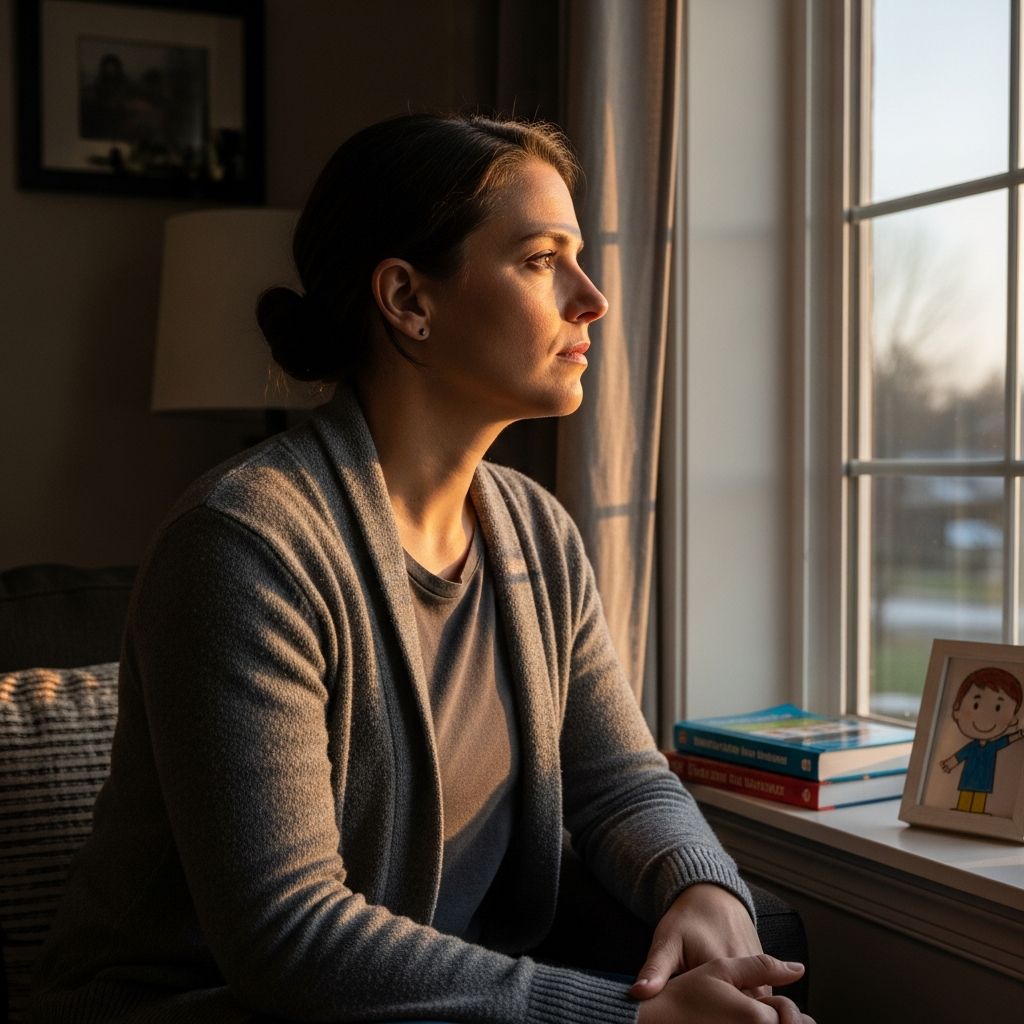
The transition from weekend relaxation to Monday’s classroom demands often triggers a wave of unease known as Sunday scaries among teachers. This anticipatory anxiety affects a significant portion of educators, with surveys indicating up to 75% of workers experience it due to workload concerns and work-life balance challenges. By implementing targeted strategies, teachers can reframe their Sundays and Mondays for greater calm and enthusiasm.
Recognizing the Roots of Weekly Anxiety
Sunday dread stems from anticipatory anxiety, a psychological response to impending stressors like lesson preparation, student needs, and administrative tasks. For educators, this manifests as insomnia, panic, or persistent worry about the upcoming week. Mental health experts note that unresolved issues from the prior week exacerbate this, creating a cycle of buildup. Understanding this as a common phenomenon normalizes the experience and opens the door to proactive management.
New teachers may feel it most acutely due to acclimation challenges, but veterans are not immune. Lack of support in the first few months can intensify dread, highlighting the need for mentorship programs. Addressing these roots involves both immediate relief tactics and long-term habit shifts.
Strategic Friday Wrap-Ups to Free Your Weekend
One of the most effective countermeasures begins on Friday afternoon: thorough end-of-week preparation. Rather than rushing out, dedicate time to organize the classroom, photocopy materials, and outline Monday’s setup. This ensures a welcoming environment awaits, reducing weekend mental intrusions.
- Declutter and reset: Tidy desks, erase boards, and arrange supplies to avoid Monday chaos.
- Prep essentials: Run copies, laminate visuals, and batch-grade assessments.
- Plan flexibly: Sketch a loose Monday agenda without overcommitting.
For those with tight Friday schedules, shift planning to Thursday when weekly patterns are clear but weekend allure hasn’t peaked. This preserves Friday for true recharge, as one middle school teacher shared, allowing full disconnection. Such routines prevent the dread snowball, fostering guilt-free leisure.
Sunday Morning Planning Without Overload
Reserve detailed schoolwork for Sunday mornings, assessing energy levels fresh after rest. This flexibility accommodates unexpected events, like family outings or health dips, minimizing frustration from rigid schedules. Limit sessions to 1-2 hours, focusing on high-impact tasks such as refining lessons or reviewing standards.
| Time Slot | Activity | Benefit |
|---|---|---|
| 8-9 AM | Review weekly goals | Clarifies priorities |
| 9-10 AM | Finalize materials | Eliminates last-minute rush |
| Post-planning | Self-care break | Restores balance |
Pair this with visualization: mentally rehearse successful classes to build confidence and displace negative rumination.
Mindfulness and Physiological Reset Techniques
Mental health professionals recommend evidence-based practices to interrupt anxiety spirals. Deep breathing exercises, such as 4-7-8 breathing (inhale 4 seconds, hold 7, exhale 8), activate the parasympathetic nervous system, lowering heart rate and cortisol. Meditation apps with guided sessions tailored for professionals offer 5-10 minute interventions ideal for evenings.
- Progressive muscle relaxation to release physical tension.
- Gratitude journaling: Note three classroom wins or student highlights weekly.
- Digital detox: Set phone boundaries post-8 PM to improve sleep hygiene.
Preparation logistics also soothe nerves: lay out outfits, pack lunches, and check transport Sunday night. Backup plans for common hiccups, like traffic, provide security.
Infusing Joy into Monday Mornings
Counter dread by engineering positive anchors. Treat yourself to a favorite coffee run, leisurely breakfast, or pet walk en route to school, shifting focus to rewards. These rituals create anticipation, reframing Monday as a fresh opportunity.
In the classroom, launch with engaging starters to energize students and yourself:
- Weekend shares: Circle time for quick, positive recaps builds community.
- Surprise elements: Short videos, stories, or props unveiled mid-morning spark delight.
- Dreaming discussions: Prompt pairs with imaginative topics like ‘dream field trips’ to foster creativity.
These not only alleviate your anxiety but model resilience for students, enhancing overall classroom vibe.
Building Long-Term Resilience Against Burnout
Beyond weekly tactics, cultivate systemic safeguards. Seek peer and mentor support, especially early in careers, to normalize challenges and share solutions. Professional development on time management and boundaries prevents accumulation.
Regular self-assessments track anxiety triggers: Is it grading volume? Parent communications? Adjust accordingly, perhaps delegating or batching tasks. Prioritize work-life integration by protecting evenings for hobbies, exercise, or family—non-negotiables for sustainability.
Research underscores preparation’s role in anxiety reduction, with prepared educators reporting lower stress and higher satisfaction. Track your progress weekly to reinforce gains.
Common Pitfalls and How to Avoid Them
Avoid overplanning Sundays, which mimics workweek pressure. Steer clear of all-nighters before Monday; quality sleep trumps last-minute cramming. Don’t isolate—connect with teacher networks for commiseration and tips.
| Pitfall | Solution |
|---|---|
| Weekend work creep | Friday prep ritual |
| Rigid schedules | Morning flexibility |
| Negative focus | Positives-first mindset |
Frequently Asked Questions (FAQs)
What exactly are Sunday scaries for teachers?
Sunday scaries refer to anticipatory anxiety about the workweek, marked by dread, insomnia, or panic over tasks like planning and student management.
How can new teachers handle intensified dread?
Pair with a mentor and peer for support, acclimating faster and preventing dread buildup.
Is it okay to plan on Thursday instead of Friday?
Yes, many find it ideal for pattern visibility without Friday fatigue, freeing weekends fully.
What if preparation doesn’t fully eliminate anxiety?
Combine with mindfulness; full relief varies, but layers reduce intensity significantly.
Can student activities really help my mindset?
Absolutely—fun starters like surprises or dreaming talks create mutual excitement.
Empowering Your Teaching Journey
Transforming Sunday dread into proactive renewal equips educators for sustained fulfillment. Consistent application of these strategies yields calmer transitions, sharper focus, and joyful classrooms. Start small this week—your future Mondays will thank you.
References
- Teachers, Tame the ‘Sunday Scaries’ — Education Week. 2024-04. https://www.edweek.org/teaching-learning/teachers-tame-the-sunday-scaries/2024/04
- How to Cope with Sunday Night Teacher Anxiety — Dr. Lori Friesen. n.d. https://www.drlorifriesen.com/blog/how-to-cope-with-sunday-night-anxiety
- 7 Ways for Teachers to Beat the Sunday Night Anxiety — Truth for Teachers. n.d. https://truthforteachers.com/truth-for-teachers-podcast/beat-sunday-night-anxiety/

- Integrated M.A. in Applied Linguistics, University of Hyderabad
- 5+ years in editorial, instructional, SEO, and research-based writing
Sneha is a relationships and lifestyle writer with a strong foundation in applied linguistics and certified training in relationship coaching. She brings over five years of writing experience to theskillvault, crafting thoughtful, research-driven content that empowers readers to build healthier relationships, boost emotional well-being, and embrace holistic living. Her writing and insights reflect the belief that beauty, happiness, and wellness…