
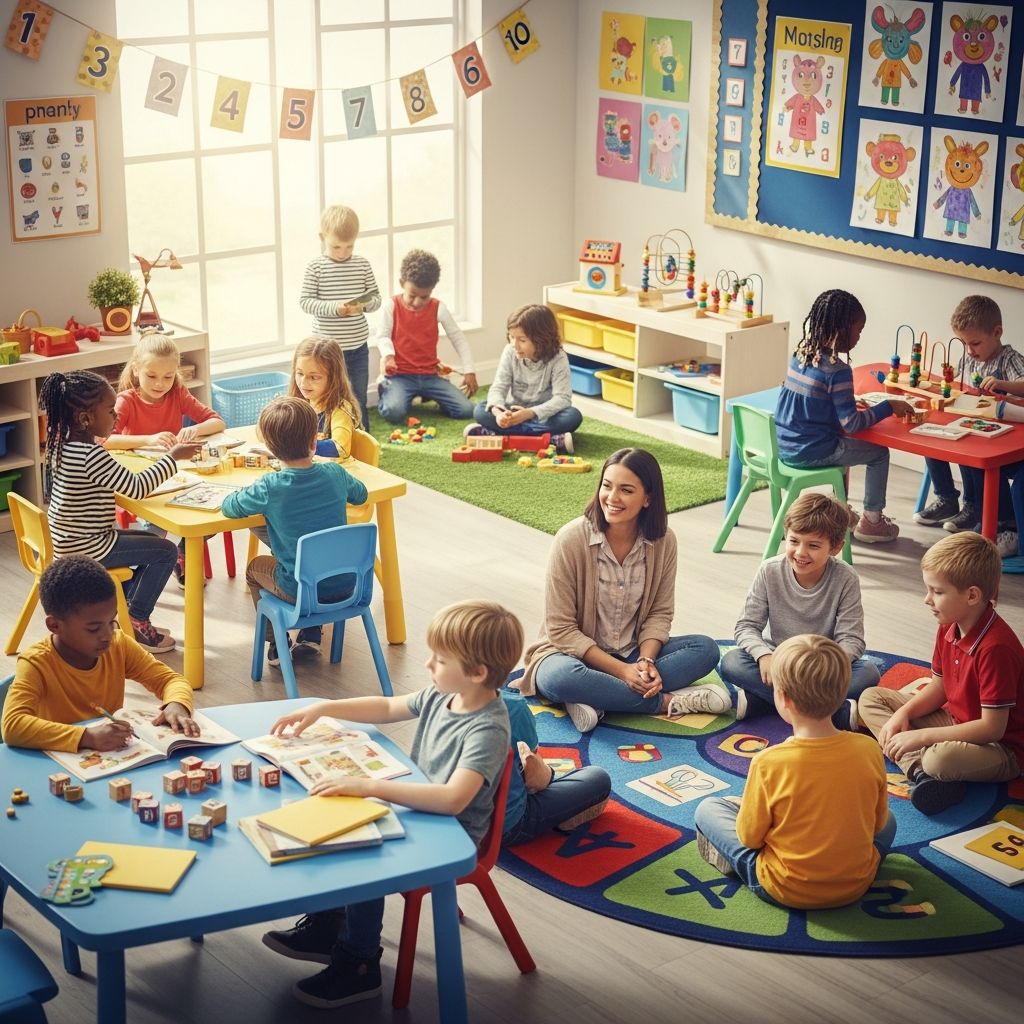
The COVID-19 pandemic profoundly disrupted early childhood education, leaving many incoming kindergarteners with gaps in social, emotional, and cognitive development. As children born or raised during lockdowns enter formal schooling, parents and educators must prioritize targeted preparation to foster resilience and readiness. This guide offers comprehensive strategies drawn from pediatric and educational experts to bridge these gaps effectively.
Understanding Pandemic Impacts on Young Learners
Young children experienced limited peer interactions, irregular routines, and reduced structured learning during the height of the pandemic. Hospitals like Lurie Children’s have reported surges in mental health concerns among youth, attributing them to disrupted relationships, activities, and daily schedules. Dr. Lisa Simons notes that essential protective factors such as friendships, sports, and community ties were curtailed, impacting emotional and physical health.
Kindergarteners may exhibit heightened anxiety, delayed impulse control, and challenges in emotional regulation due to missed opportunities for social practice. Cognitive skills like following multi-step directions or recognizing basic shapes might also lag, as virtual or absent preschooling failed to provide hands-on reinforcement. Recognizing these effects is the first step in tailored preparation.
Establishing Stable Daily Routines
Consistent routines provide security and predictability, crucial for children navigating post-pandemic transitions. Begin weeks before school by implementing fixed bedtimes and wake-up times to ensure 10-12 hours of sleep nightly, vital for emotional regulation and focus.
A sample morning routine might include:
- Waking at the same time daily.
- Hygiene tasks: brushing teeth, washing face.
- Healthy breakfast with family discussion.
- Dressing in school-appropriate clothes.
- Backpack check and short walk to simulate commute.
Practice this ‘dry run’ several times, including a trip to the school vicinity, to desensitize children to the environment. Evening wind-downs with reading or quiet play reinforce positive habits, reducing first-day stress.
Building Emotional Resilience and Regulation
Post-pandemic children may display more outbursts or anxiety due to underdeveloped self-regulation skills. Validate feelings by saying, ‘It’s okay to feel nervous; many kids do,’ then guide coping strategies like deep breathing or naming emotions.
Model self-care: dedicate time for outdoor walks, friend chats, or personal hobbies, as children mimic observed behaviors. For those with pre-existing anxiety or pandemic-related losses, monitor closely and consult pediatricians early. Reassure with reminders of past successes: ‘Remember how you handled that big change before?’ This builds confidence without dismissing concerns.
Fostering Social Skills for Classroom Success
Lockdowns stunted peer interaction practice, leading to hesitancy in group settings. Arrange playdates or park visits to rehearse sharing, turn-taking, and conflict resolution. Role-play school scenarios at home, such as lining up or raising hands, using dolls or family members.
Visit the school playground pre-term to familiarize the space, and if possible, meet teachers informally. Discuss classroom differences from preschool—desks vs. tables, new rules—to ease surprises. Encourage articulating needs: ‘Use words like “I need help” instead of crying.’
Strengthening Academic Foundations at Home
Kindergarten expectations include name writing, shape/color recognition, and listening skills. Assess via casual activities; if gaps exist, integrate play-based learning:
| Skill | Activity | Goal |
|---|---|---|
| Letter/Sound Recognition | Alphabet scavenger hunts | Identify 26 letters |
| Counting | Snack sorting by number | Count to 20 |
| Fine Motor | Playdough letter forming | Write first name |
| Shapes/Colors | Block building matches | Name basic shapes |
Read daily from kindergarten-themed books to build vocabulary and excitement. Limit screen time; prioritize interactive play for cognitive growth.
Promoting Physical Health and Self-Care Independence
Self-help skills like wiping faces, nose-blowing, and handwashing are non-negotiable. Practice responsibility through chores: packing lunchboxes or organizing cubbies. Ensure vaccinations are current, including COVID-19 for ages 6 months+, per CDC guidelines.
Pack nutritious lunches supporting focus: proteins, fruits, whole grains. Review school health policies on masks or distancing to set realistic expectations.
Collaborating with Schools and Professionals
Contact teachers pre-term for skill expectations and advocacy needs, especially for IEPs. Schedule pediatric check-ups for screenings; partner with counselors if behavioral shifts occur. Join parent groups for shared insights.
Set small goals: ‘Learn one new friend’s name this week,’ to build momentum. Balance schedules to avoid overload, prioritizing well-being.
Maintaining Family Well-Being During Transition
Parents’ stress influences children; practice self-care and seek support from communities. Schedule post-school family time for decompression—games or talks—to sustain bonds disrupted by pandemic isolation. Celebrate small wins to foster positivity.
Frequently Asked Questions (FAQs)
What if my child shows separation anxiety?
Short goodbyes with a comfort item (like a family photo) help; consistency reduces duration over weeks.
How do I handle regression like bedwetting?
Reassure without punishment; track triggers and consult pediatricians if persistent.
Is my pandemic baby behind academically?
Many are; focus on play-based catch-up—schools often provide support.
What routines are most important?
Sleep, meals, and hygiene top the list for kindergarten success.
Should I push social playdates?
Yes, gradually; supervised small groups rebuild skills safely.
This holistic approach equips kindergarteners for thriving post-pandemic. Consistent effort from home and school yields lasting benefits.
References
- Tips to Prepare Your Children to Return to School After COVID-19 — Lurie Children’s Hospital. 2021. https://www.luriechildrens.org/en/blog/back-to-school-tips-for-making-a-smooth-transition/
- Back to School: Tips for Returning After COVID-19 — Frederick Health. 2021-08. https://www.frederickhealth.org/news/2021/august/back-to-school-tips-for-returning-after-covid-19/
- 3 Tips for Parents of COVID Kindergarteners — YouTube (Robin Eisman, LCSW). N/A. https://www.youtube.com/watch?v=FVx-ladeorU
- Expert Tips for Preparing Child for Kindergarten — Start Early. N/A. https://www.startearly.org/post/ready-for-kindergarten-10-tips/
- Ready or Not Kindergarten, Here We Come! — National Association for the Education of Young Children (NAEYC). N/A. https://www.naeyc.org/our-work/families/kindergarten-here-we-come

Medha Deb is an editor with a master's degree in Applied Linguistics from the University of Hyderabad. She believes that her qualification has helped her develop a deep understanding of language and its application in various contexts. Medha specializes in the areas of beauty, health, sports, and wellness and is committed to ensuring that the content on the website is…