
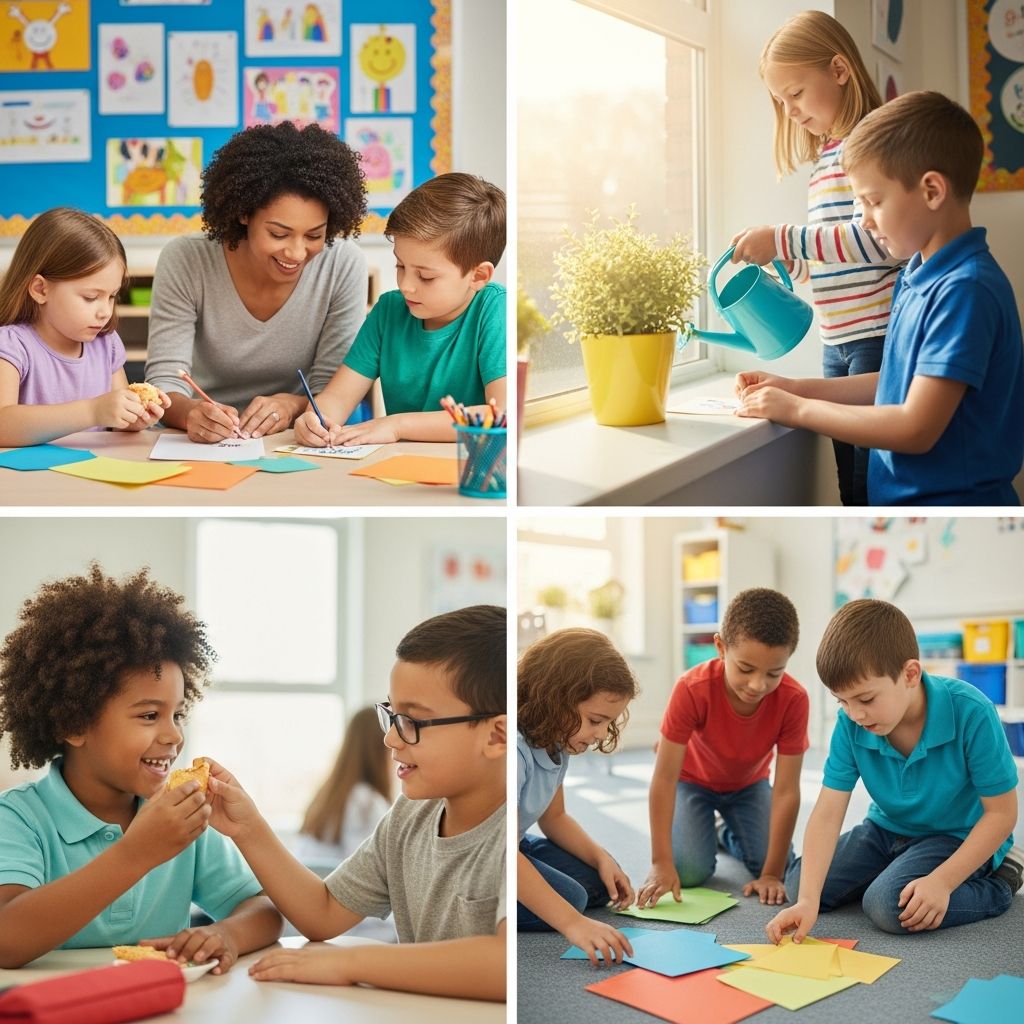
Building a culture of compassion within educational settings transforms daily interactions and long-term attitudes. Simple gestures can create ripple effects, enhancing emotional health and academic focus among students and staff. This article presents over 50 fresh, actionable strategies drawn from proven educational practices to inspire positivity in schools.
Why Prioritize Kindness in Educational Environments
Acts of generosity foster resilience and social bonds, directly impacting mental health. Research from educational bodies shows that supportive school climates reduce behavioral issues by up to 30% and improve attendance rates. Integrating these practices aligns with social-emotional learning frameworks, preparing students for collaborative futures.
Teachers observe that kindness initiatives elevate morale, with participants reporting higher satisfaction. These efforts also model real-world empathy, countering divisiveness in youth culture.
Quick and Easy Gestures for Everyday Practice
Start with low-effort actions that fit seamlessly into routines. These build habits without disrupting schedules.
- Hold doors for peers entering classrooms or cafeterias.
- Compliment a classmate’s effort on assignments or artwork.
- Share notes or highlighters during group work.
- Smile and greet newcomers in hallways.
- Offer to collect materials for busy instructors.
Such micro-interactions accumulate, creating welcoming atmospheres. Encourage tracking via journals to reinforce behaviors.
Creative Expression Through Art and Notes
Harness creativity to convey appreciation visually and verbally. These methods engage artistic talents while spreading joy.
- Design colorful posters with uplifting quotes for bulletin boards.
- Craft personalized thank-you cards for cafeteria workers.
- Paint stones with encouraging messages and hide them on campus.
- Draw illustrations for younger grades’ lockers.
- Write poems dedicated to school custodians.
Display these creations in common areas to amplify their reach, turning art into communal inspiration.
Supportive Actions for Peers and Staff
Target specific needs to make tangible differences. These build peer networks and staff appreciation.
| Recipient | Idea | Impact |
|---|---|---|
| Classmates | Tutor during free periods | Boosts confidence and grades |
| Teachers | Organize desks before class | Saves time, shows respect |
| Staff | Deliver healthy snacks | Improves energy and mood |
| New Students | Pair for lunch buddies | Reduces isolation |
These targeted efforts personalize kindness, strengthening school-wide relationships.
Environmental and Community Contributions
Extend benevolence beyond walls to local areas and nature. These promote civic responsibility.
- Pick up litter during recess or after school.
- Plant flowers around entryways.
- Donate books to little free libraries nearby.
- Rake leaves for elderly neighbors.
- Compost cafeteria waste collectively.
Such projects teach sustainability while instilling pride in collective action.
Organizing School-Wide Kindness Events
Amplify impact through coordinated initiatives. Plan around awareness days like February’s kindness celebrations.
- Launch a kindness chain with linked paper hearts noting good deeds.
- Host scavenger hunts for completing courtesy tasks.
- Create appreciation stations for writing messages.
- Form clubs dedicated to weekly service.
- Decorate sidewalks with positive chalk art.
These events unite communities, generating excitement and lasting traditions.
Age-Appropriate Adaptations for All Grades
Elementary Level
Focus on fun, sensory activities: Read stories to kindergartners, make friendship bracelets, or perform puppet shows about sharing.
Middle School
Emphasize peer support: Lead study groups, mentor elementary kids, or design anti-bullying campaigns.
High School
Incorporate leadership: Organize fundraisers, volunteer drives, or peer counseling sessions.
Tailoring ensures relevance and engagement across developmental stages.
Measuring Success and Sustaining Momentum
Track progress with simple metrics like deed jars or surveys. Celebrate milestones with assemblies to maintain enthusiasm. Integrate into curricula via reflection prompts, ensuring kindness becomes ingrained.
Frequently Asked Questions
What is the best way to start a kindness program in school?
Begin small with daily challenges announced in morning meetings, gradually expanding to themed weeks.
How do random acts benefit academic performance?
They reduce stress, improving concentration and collaboration essential for learning.
Can parents get involved?
Yes, through home extensions like family kindness challenges or supplying event materials.
What if some students resist participating?
Lead by example and highlight voluntary nature, focusing on personal growth over obligation.
Are there resources for planning?
Educational nonprofits offer free toolkits; adapt to your school’s unique needs.
Long-Term Benefits for School Communities
Sustained kindness lowers suspension rates and elevates test scores, per studies from child development experts. It cultivates empathetic leaders, benefiting society broadly. Schools adopting these see enhanced parental involvement and community partnerships.
Expand by partnering with local businesses for supply drives or virtual exchanges with other institutions. Digital platforms can share stories, inspiring wider networks.
Incorporate mindfulness sessions pairing breathing with gratitude shares. Seasonal themes, like holiday care packages, keep engagement fresh.
References
- Random Acts of Kindness Foundation Educator Resources — Random Acts of Kindness Foundation. 2023-01-05. https://www.randomactsofkindness.org/for-educators
- CASEL Social-Emotional Learning Framework — CASEL (Collaborative for Academic, Social, and Emotional Learning). 2024-09-01. https://casel.org/fundamentals-of-sel/
- Kindness in Schools: Impact on Student Well-Being — American Montessori Society. 2023-02-17. https://amshq.org/blog/uncategorized/2023-02-17-random-acts-of-kindness-day-30-activities-for-elementary-students/
- Evidence-Based Kindness Curriculum — Teaching Channel. 2023-00-00. https://www.teachingchannel.com/k12-hub/blog/random-acts-of-kindness-ideas-for-teachers-and-students/
- School Climate and Student Outcomes — U.S. Department of Education. 2022-06-15. https://www.ed.gov/sites/ed/files/documents/students/school-climate-student-outcomes.pdf

- Integrated M.A. in Applied Linguistics, University of Hyderabad
- 5+ years in editorial, instructional, SEO, and research-based writing
Sneha is a relationships and lifestyle writer with a strong foundation in applied linguistics and certified training in relationship coaching. She brings over five years of writing experience to theskillvault, crafting thoughtful, research-driven content that empowers readers to build healthier relationships, boost emotional well-being, and embrace holistic living. Her writing and insights reflect the belief that beauty, happiness, and wellness…