
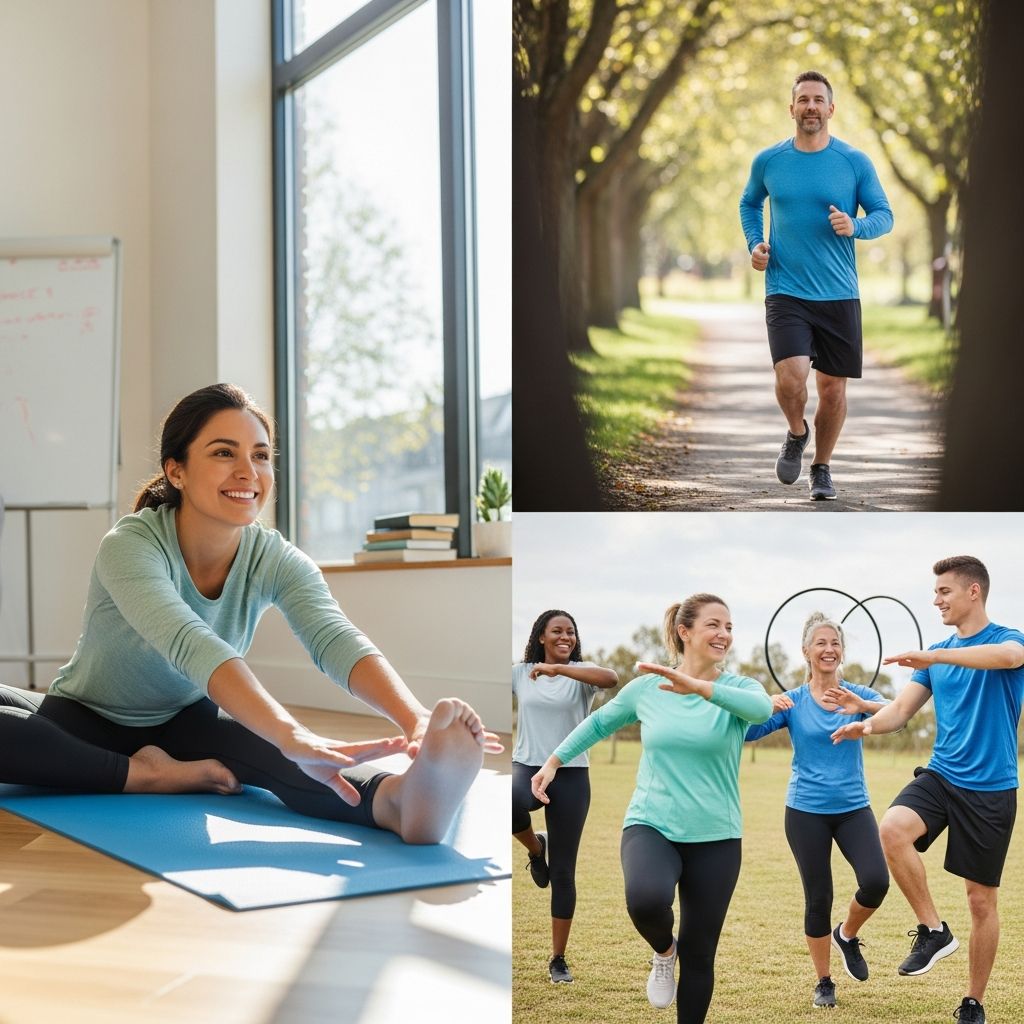
Physical activity stands as a cornerstone of self-care for teachers, offering a powerful antidote to the demands of classroom life. By incorporating movement into daily routines, educators can lower stress levels, sharpen focus, and build resilience against burnout.
Why Movement Matters in the Teaching Profession
The teaching profession is physically and mentally taxing, with long hours of standing, limited breaks, and constant emotional investment. Regular exercise addresses these challenges by releasing endorphins, which naturally elevate mood and reduce anxiety. For neurodiverse students and educators alike, physical activity regulates energy, improves cognitive function, and fosters emotional stability.
Research confirms that active educators model healthy behaviors for students, leading to improved academic outcomes. Students engaging in school-based physical activity show up to 27% better math performance and 24% in reading, highlighting the dual benefits for teachers and learners.
Scientific Foundations: How Exercise Supports Mental Health
Exercise triggers physiological changes that combat teacher stress. It lowers cortisol levels, the hormone linked to chronic anxiety, while boosting brain-derived neurotrophic factor (BDNF), which enhances learning and memory. For educators, this translates to sustained attention during lessons and quicker recovery from demanding days.
A multi-component physical activity program in Danish schools demonstrated improvements in psychological well-being and self-worth, particularly among less active students. Similarly, the CDC advocates comprehensive school programs including physical education and recess to meet daily activity goals, benefiting staff wellness too.
| Benefit | Educator Impact | Student Impact |
|---|---|---|
| Reduced Anxiety | Calmer classroom management | Better social interactions |
| Improved Focus | Enhanced lesson delivery | Higher engagement |
| Emotional Resilience | Burnout prevention | Frustration tolerance |
Practical Routines for Busy Teachers
Integrating exercise doesn’t require gym memberships or hours of free time. Start with Non-Exercise Activity Thermogenesis (NEAT), everyday movements like standing during planning or pacing while reviewing papers. One study found that standing instead of sitting burns thousands of extra calories annually, supporting overall health.
- Morning Activation: Begin days with 5-10 minutes of dynamic stretches or jumping jacks to energize the body and mind.
- Desk-Based Workouts: Perform chair squats, wall push-ups, or seated leg lifts during grading sessions.
- Breathing Walks: Step outside for a brisk 10-minute walk, combining fresh air with mindful breathing.
Quick Circuits to Recharge During Breaks
Short, equipment-free circuits fit perfectly into lunch breaks or between classes. These routines build strength, flexibility, and endurance without disrupting schedules.
Daily EduFit Circuit (Repeat 3-5 rounds, 5-10 minutes total):
- 10 Chair Squats: Stand up from your seat without hands for lower body power.
- 10 Wall Push-Ups: Strengthen chest and arms using classroom walls.
- 20 Alternating Reverse Lunges: Improve balance and leg stability.
- 10 Hip Bridges: Lie on the floor or use a mat to target glutes and core.
- 20 Mountain Climbers: Boost cardio with rapid knee drives.
- 30-Second Plank: Hold with shoulder taps for core endurance.
For added challenge, incorporate resistance bands if available. These mini-sessions align with Physical Activity Guidelines recommending 150-300 minutes of moderate exercise weekly.
Bringing Movement into the Classroom
Teachers who move with students create dynamic learning environments. During transitions, lead GoNoodle dances or yoga poses. Walking discussions—where groups share ideas while circling the room—enhance retention and participation.
- Brain Breaks: Twice-daily 5-minute activity bursts like Simon Says or stretch challenges.
- Standing Zones: Designate areas for standing work to encourage natural movement.
- Lesson Integration: Teach history via timeline walks or math through jumping rope counts.
Schools like Spring Valley embed daily workouts, yielding better focus and emotional regulation for neurodiverse learners. Modeling this inspires lifelong habits.
Addressing Barriers: Time, Space, and Motivation
Common obstacles include packed schedules and fatigue. Counter them by starting small—commit to one daily walk—and tracking progress in a journal. Pair exercise with podcasts on education topics for dual benefits.
Build accountability through teacher wellness groups or apps reminding of movement goals. Remember, consistency trumps intensity; even fidgeting aids self-regulation.
Advanced Strategies: Yoga, Strength, and Team Sports
Progress to yoga for flexibility and mindfulness, using poses like downward dog during planning. Strength training with bodyweight builds confidence, mirroring skill-building in PE classes that boost mental health.
Join school intramurals or after-hours runs for social support. CDC strategies emphasize before/after-school activities, extending benefits beyond the bell.
Long-Term Wellness: Building Sustainable Habits
Sustainable self-care involves holistic integration. Combine exercise with sleep, nutrition, and boundaries. Track mood pre- and post-activity to see gains in resilience.
Progressive muscle relaxation post-workout amplifies relaxation: tense and release from toes to head. Creative reflections on movement sessions deepen mindfulness.
Frequently Asked Questions
How much exercise do teachers need daily?
Aim for 30 minutes of moderate activity most days, per guidelines, adjustable via short bursts.
Can exercise help with teacher burnout?
Yes, it regulates emotions, improves focus, and prevents exhaustion, as shown in school programs.
What if I have no time for workouts?
Incorporate NEAT like standing, walking meetings, and fidgeting for cumulative benefits.
Does moving in class disrupt learning?
Oppositely, it enhances attention and achievement, with studies showing academic gains.
Are there exercises for small classrooms?
Chair yoga, seated marches, and wall-supported moves fit any space.
Exercise transforms self-care from luxury to necessity for educators. By prioritizing movement, teachers not only sustain their passion but elevate classroom experiences. Commit today—your well-being and students depend on it.
References
- 10 Experiential Self-Care Lessons in a School Day — The Siena School. 2023. https://www.thesienaschool.org/news/10-self-care-lessons/
- Physical Exercise as Emotional Regulation Support for Neurodiverse Students — Spring Valley School. 2024. https://www.springvalleyschool.org/p/~board/spring-valley-school-news/post/physical-exercise-as-emotional-regulation-support-for-neurodiverse-students
- Walk the Walk: Tips for Teachers to Integrate More Physical Activity — SCSMH, University of Iowa. 2024-02-03. https://scsmh.education.uiowa.edu/news/2024/02/walk-walk-tips-teachers-integrate-more-physical-activity-their-day
- The Effectiveness of School‐Based Physical Activity Promotion — PMC (Peer-reviewed). 2024. https://pmc.ncbi.nlm.nih.gov/articles/PMC12536061/
- Strategies for School and Youth Programs — CDC (.gov). 2025. https://www.cdc.gov/physical-activity/php/strategies/school-and-youth-programs.html

- Integrated M.A. in Applied Linguistics, University of Hyderabad
- 5+ years in editorial, instructional, SEO, and research-based writing
Sneha is a relationships and lifestyle writer with a strong foundation in applied linguistics and certified training in relationship coaching. She brings over five years of writing experience to theskillvault, crafting thoughtful, research-driven content that empowers readers to build healthier relationships, boost emotional well-being, and embrace holistic living. Her writing and insights reflect the belief that beauty, happiness, and wellness…