
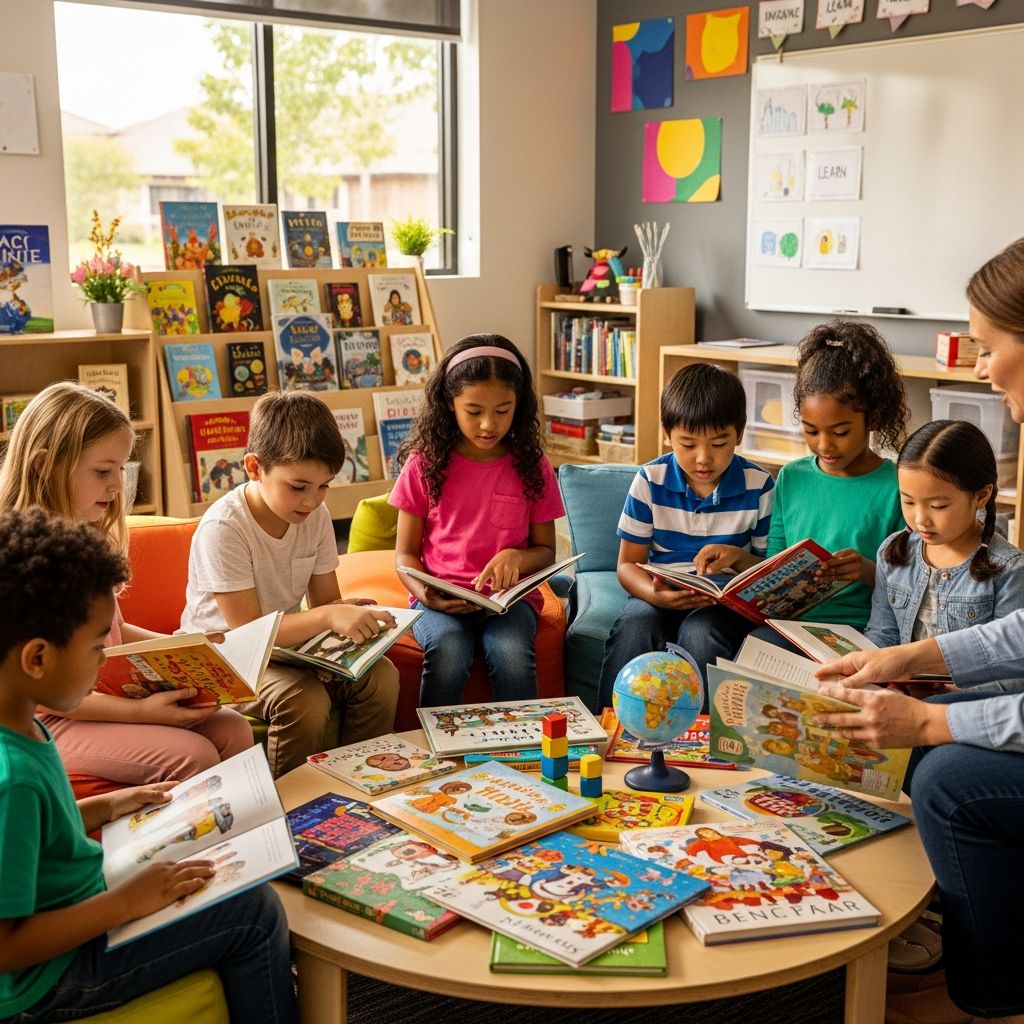
Multicultural literature plays a pivotal role in modern education by exposing students to a wide array of cultural perspectives, fostering empathy, and enhancing academic outcomes. Integrating such texts into curricula helps bridge gaps between diverse student backgrounds, creating more inclusive and effective learning spaces.
Building Bridges Through Stories: The Core Benefits
At its heart, multicultural literature acts as a conduit for understanding. It allows students from varied backgrounds to see reflections of their own lives while peering into the worlds of others. This dual function—often described as mirrors and windows—strengthens community ties and reduces cultural misunderstandings.
Research highlights how these texts stimulate cognitive growth. Students engaging with diverse narratives develop sharper critical thinking skills, as they analyze themes, conflicts, and characters from global viewpoints. This not only aids in comprehending current events but also cultivates cultural sensitivity essential for 21st-century citizens.
Empowering Minority Voices and Boosting Self-Esteem
For students from underrepresented groups, seeing characters who share their cultural heritage is transformative. It validates their experiences, combats feelings of isolation, and instills pride in their identity. Studies show that when minority students encounter relatable content, their reading motivation surges, leading to improved engagement and comprehension.
- Increases sense of self-worth and future potential.
- Encourages positive identity formation and belonging.
- Reduces academic disengagement by making learning personally relevant.
Mainstream students benefit equally by learning to value alternative perspectives, dismantling ethnocentric views, and appreciating diversity as a strength.
Fostering Empathy and Reducing Prejudice
Exposure to multicultural stories nurtures empathy by humanizing ‘the other.’ Narratives depicting shared human emotions across cultures—joy, grief, resilience—highlight universal connections despite surface differences. Books like those portraying cross-cultural friendships demonstrate that diversity enriches rather than divides.
Educators note that such literature prevents prejudice formation. By empathizing with characters facing cultural challenges, students develop tolerance and respect, skills that extend beyond the classroom to real-world interactions.
| Benefit | Impact on Students | Supporting Evidence |
|---|---|---|
| Empathy Development | Students relate to diverse emotions and experiences | Promotes unity and acceptance |
| Prejudice Reduction | Breaks down cultural barriers | Builds global awareness |
| Community Building | Creates inclusive classroom environments | Lowers bullying incidents |
Academic Advantages: Engagement and Achievement
Beyond social benefits, multicultural literature drives academic success. Diverse texts increase reading proficiency among culturally and linguistically diverse students by providing familiar entry points. This ‘momentum building’ elevates them from basic to advanced reading levels, as measured by assessments like NAEP.
For all learners, these materials enhance vocabulary, imagination, and critical literacy. Teachers use them to spark discussions on racism, social justice, and global issues, deepening subject comprehension.
Practical Strategies for Classroom Integration
Incorporating multicultural literature requires intentional planning. Start with a diverse library collection reflecting student demographics and global cultures. Teacher librarians play a key role in curating fiction that promotes intercultural understanding.
- Assess Classroom Diversity: Survey students’ backgrounds to select relevant texts.
- Balance Mirrors and Windows: Ensure representation for all, avoiding stereotypes.
- Incorporate Critically: Pair readings with discussions on themes like identity and equity.
- Leverage Multimedia: Use digital content and picture books for younger learners.
- Monitor Impact: Track engagement through reading logs and feedback.
Challenges include avoiding tokenism or controversial topics. Authentic portrayals by authors from represented cultures ensure accuracy and depth.
Real-World Examples and Outcomes
Consider stories where protagonists navigate immigration or cultural clashes; they mirror real student experiences, boosting relatability. Research confirms African-American students prefer culturally aligned texts, leading to higher interest and achievement.
In Australian schools, multicultural collections have fostered cross-ethnic friendships and global awareness, aligning with curriculum goals for intercultural competence.
Frequently Asked Questions (FAQs)
What defines multicultural literature?
Texts featuring authentic representations of diverse cultures, written by authors from those backgrounds, addressing universal themes through varied lenses.
How does it improve reading skills?
By making content relatable, it heightens motivation, comprehension, and critical analysis, particularly for underrepresented students.
Is it only for diverse classrooms?
No, it benefits all students by broadening perspectives and preparing them for a multicultural world.
What if texts address sensitive topics?
Use them as teachable moments with guided discussions to build empathy and understanding safely.
How to source quality diverse books?
Consult curated lists from educational organizations, prioritizing recent, authentic works.
Overcoming Barriers to Implementation
Common hurdles include limited budgets or teacher unfamiliarity. Solutions involve collaborating with libraries, professional development on cultural responsiveness, and advocating for diverse publishing.
Ultimately, prioritizing multicultural literature equips students for a interconnected world, turning classrooms into microcosms of global society.
References
- The effects of multicultural literature in the classroom — Eastern Michigan University Honors College. 2004. https://commons.emich.edu/cgi/viewcontent.cgi?article=1061&context=honors
- The importance of multicultural literature — SCIS Data. 2016. https://www.scisdata.com/connections/issue-96/the-importance-of-multicultural-literature/
- The Importance of Multicultural Literature in the Classroom — ERIC. 2021. https://files.eric.ed.gov/fulltext/EJ1475043.pdf
- The Importance of Diversity & Multicultural Awareness in Education — Drexel University School of Education. 2023. https://drexel.edu/soe/resources/student-teaching/advice/importance-of-cultural-diversity-in-classroom/
- The Importance of a Diverse Classroom Library — International Literacy Association. 2020. https://www.literacyworldwide.org/blog/literacy-now/2020/10/20/the-importance-of-a-diverse-classroom-library

- Integrated M.A. in Applied Linguistics, University of Hyderabad
- 5+ years in editorial, instructional, SEO, and research-based writing
Sneha is a relationships and lifestyle writer with a strong foundation in applied linguistics and certified training in relationship coaching. She brings over five years of writing experience to theskillvault, crafting thoughtful, research-driven content that empowers readers to build healthier relationships, boost emotional well-being, and embrace holistic living. Her writing and insights reflect the belief that beauty, happiness, and wellness…