
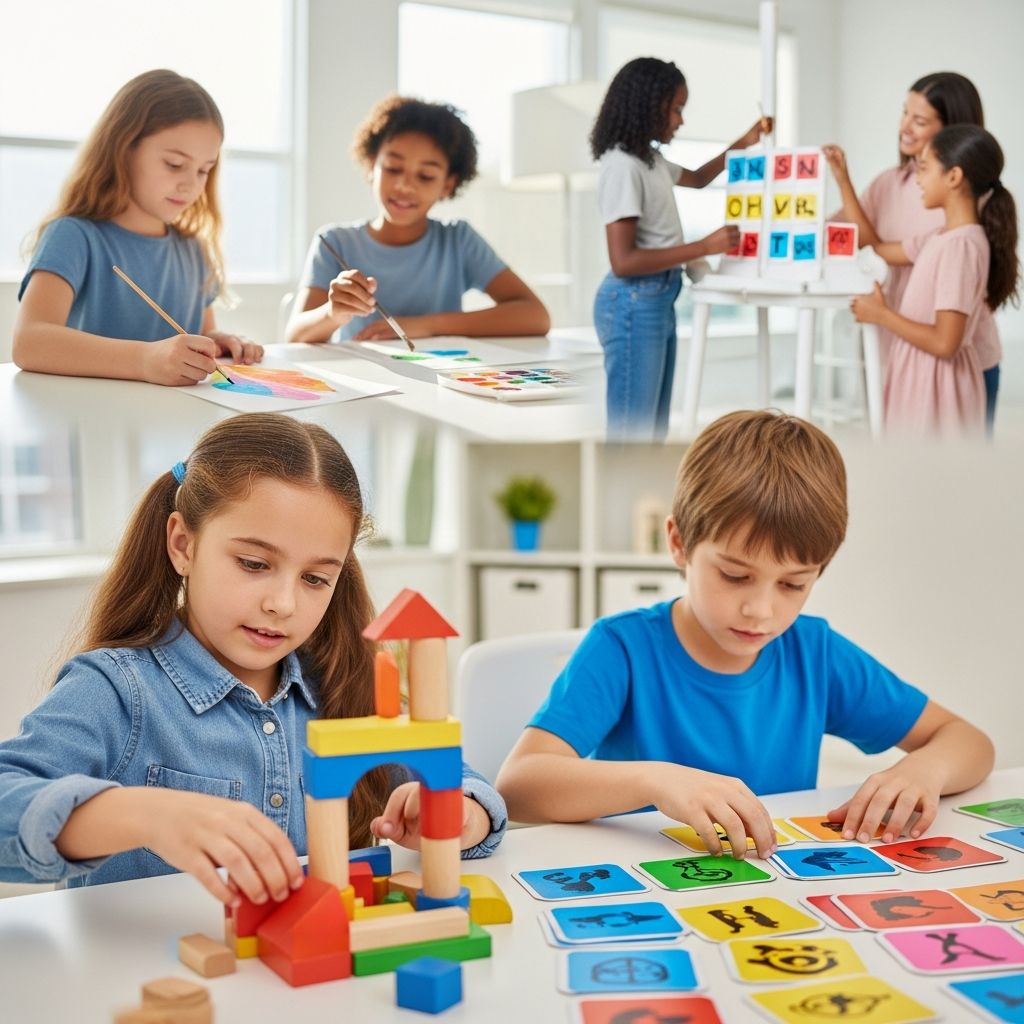
Executive functions are the mental processes that enable children to plan, focus attention, remember instructions, and juggle multiple tasks effectively. These skills are crucial for academic success, social interactions, and long-term well-being. Children facing challenges in these areas, often linked to conditions like ADHD, can show significant improvements through targeted interventions and daily practices.
Understanding Executive Functions in Young Minds
At their core, executive functions act as the brain’s command center, regulating behavior and cognition. Key components include working memory, which holds information temporarily; cognitive flexibility, allowing shifts between tasks; and inhibitory control, which helps resist impulses. For children, these skills develop gradually, but some struggle more due to neurodevelopmental factors.
Research shows that kids with weak executive functions may forget steps in routines, become easily distracted, or struggle with emotional regulation. However, the brain’s plasticity means these abilities can be trained, much like muscles, leading to better outcomes in school and life.
Why Early Intervention Matters for Lasting Gains
Building strong executive functions early sets the foundation for future achievements. Children with robust skills are better at complex problem-solving, maintaining focus during lessons, and making thoughtful decisions. They also tend to engage in healthier behaviors, like balanced nutrition and physical activity, reducing risks of poor habits later.
Studies indicate that interventions targeting these skills not only boost immediate performance but also foster independence. Parents and educators play pivotal roles by creating supportive environments that scaffold these developing abilities.
Daily Routines: The Backbone of Skill Building
Consistent routines transform chaotic days into predictable sequences, reducing cognitive load on children. Start with simple morning rituals, such as brushing teeth right after breakfast, followed by dressing and packing bags. Over time, these become automatic, freeing mental resources for learning.
- Design visual checklists for multi-step tasks like homework or bedtime prep.
- Incorporate timers to build time awareness without overwhelming pressure.
- Prepare for transitions by announcing changes ahead, minimizing resistance.
These habits promote time management and planning, essential for executive growth.
Checklists and Visual Aids: Simplifying Complexity
Overwhelming tasks paralyze children with executive challenges. Breaking them into checklists turns giants into manageable steps. For instance, ‘getting ready for school’ becomes: 1) Eat breakfast, 2) Brush teeth, 3) Pack lunch, 4) Grab backpack.
Visual supports like whiteboards or cue cards reinforce memory and organization. Flowcharts can outline processes, highlighting the first action to combat paralysis. These tools externalize the brain’s internal planning, bridging gaps until skills internalize.
Reward Systems: Motivating Through Positive Reinforcement
Children often need tangible incentives to link efforts with outcomes, as delayed gratification is tough. Implement immediate, frequent rewards for task completion, like stickers for finished chores leading to a bigger prize.
| Task Example | Reward Idea | Frequency |
|---|---|---|
| Tie shoelaces independently | Choose a shoe charm | Daily |
| Complete homework checklist | Extra playtime | Weekly buildup |
| Follow bedtime routine | Storytime choice | Immediate |
Such systems build persistence and self-motivation, gradually fading as intrinsic rewards take over.
Environmental Modifications for Focus and Calm
A cluttered space mirrors a cluttered mind. Declutter workspaces, reduce noise, and use organizers to cue organization. Designate spots for items—shoes by the door, homework in a bin—to automate retrieval.
- Minimize distractions during focus times with quiet zones.
- Use technology like app reminders sparingly to avoid dependency.
- Prepare for surprises with ‘plan B’ discussions.
These changes lessen overwhelm, channeling energy toward tasks.
Evidence-Based Programs: Structured Skill Training
Behavioral Parent Training (BPT)
BPT equips parents with techniques to foster executive skills in ADHD-affected children. It teaches reinforcement strategies, clear instructions, and home organization, addressing broad challenges holistically.
Organizational Skills Training (OST)
OST targets time management, planning, and task initiation. Delivered in groups or individually, it improves inattention and academics, effective from age 6. Clinicians guide families in practical application.
Both programs emphasize caregiver involvement, supplementing the child’s developing brain functions.
Breaks and Regulation: Sustaining Attention
Frequent, short breaks—5-10 minutes—recharge focus and mood. Avoid highly engaging activities during breaks to ease task return. Pair with deep breathing for emotional control, teaching kids to self-regulate.
The Power of Connection Over Criticism
Criticism shuts down learning; validation opens it. Instead of ‘Why haven’t you started?’, say ‘You’re working hard on a tough start.’ This builds trust, making kids receptive to guidance on planning or focus.
Professional Support: When to Seek Help
If home strategies fall short, consult mental health providers for tailored interventions like skills training or assessments. Early professional input prevents escalation and maximizes gains.
Frequently Asked Questions
What are signs of weak executive functions in kids?
Common signs include forgetting instructions, difficulty focusing, incomplete tasks, low frustration tolerance, and emotional outbursts.
Can executive functions improve without professional help?
Yes, many children benefit from parent-led routines, checklists, and rewards, though severe cases may need expert guidance.
How long does it take to see improvements?
Progress varies, but consistent practices often yield noticeable changes in weeks to months.
Are these strategies only for kids with ADHD?
No, they help all children, especially those with attention or organizational challenges.
What role does exercise play?
Physical activity boosts brain function, enhancing focus and self-regulation.
References
- Executive Function Challenges and Evidence-Based Approaches — Baker Center. 2023-10-15. https://www.bakercenter.org/executive-functioning-3
- How to help kids develop executive functioning skills — CHOC Health. 2024-02-20. https://health.choc.org/how-to-help-kids-develop-executive-functioning-skills/
- Executive Functioning: Helping Children Learn Skills for Life — Brown Health. 2023-05-12. https://www.brownhealth.org/be-well/executive-functioning-helping-children-learn-skills-life
- Improving Executive Functioning in Children with ADHD — CHOP. 2023-11-08. https://www.chop.edu/health-resources/improving-executive-functioning-children-adhd-what-parents-and-caregivers-can-do
- Helping Kids Who Struggle With Executive Functions — Child Mind Institute. 2024-01-22. https://childmind.org/article/helping-kids-who-struggle-with-executive-functions/

Medha Deb is an editor with a master's degree in Applied Linguistics from the University of Hyderabad. She believes that her qualification has helped her develop a deep understanding of language and its application in various contexts. Medha specializes in the areas of beauty, health, sports, and wellness and is committed to ensuring that the content on the website is…