
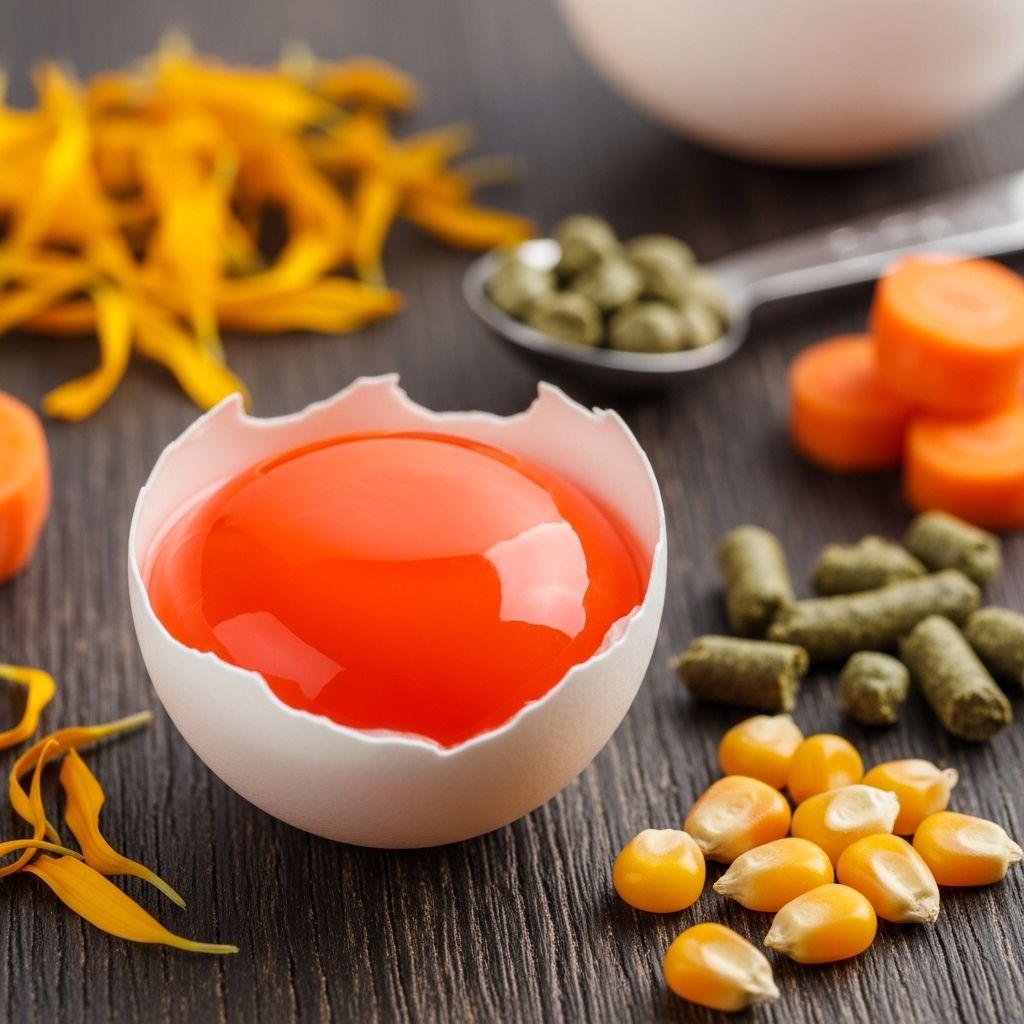
Understanding the Science of Egg Yolk Coloration
The vibrant hues we observe in egg yolks are far more than cosmetic curiosities. The color spectrum that ranges from pale yellow to deep orange represents a direct window into the nutritional quality and dietary composition of the hen that produced the egg. This fundamental connection between poultry diet and egg appearance has been recognized by agricultural scientists for over a century, with research dating back to early twentieth-century biochemistry.
What most consumers perceive as simply “yellow” eggs at the supermarket represents only one point on a much broader color spectrum. Backyard poultry enthusiasts and small-scale farmers have long recognized that chickens maintained on nutrient-rich, varied diets consistently produce eggs with distinctly deeper, more saturated yolk coloration. These enriched yolks serve as visual indicators of superior nutritional content and overall hen health.
The transformation of yolk color is achievable through deliberate dietary modifications, making it one of the most straightforward ways to enhance egg quality for those raising their own poultry. Understanding the biological mechanisms behind this color transformation provides poultry keepers with the knowledge necessary to implement effective feeding strategies.
The Role of Carotenoids in Yolk Pigmentation
The scientific foundation for yolk coloration centers on a class of organic compounds known as carotenoids, which are naturally occurring plant pigments synthesized by various fruits, vegetables, and flowering plants. These compounds are not produced by animals, including chickens, but are instead accumulated through dietary consumption and subsequently concentrated in egg yolks.
Within the broader carotenoid family exists a specific subcategory particularly significant for egg coloration: the xanthophylls. These molecules possess a distinctive characteristic that makes them especially relevant for poultry nutrition—they are absorbed and deposited into yolk tissue with remarkable efficiency compared to other carotenoid varieties. The concentration of xanthophylls in a hen’s diet therefore becomes the primary determinant of final yolk color intensity.
It is a common misconception that beta-carotene, perhaps the most widely recognized carotenoid due to its association with carrot pigmentation, serves as the primary color-contributing compound in egg yolks. In reality, while beta-carotene does offer nutritional benefits to yolk composition, it contributes minimally to the visible coloration. The visual transformation is almost exclusively attributable to xanthophyll accumulation, with lutein being one of the most prominent xanthophyll varieties capable of producing the deep orange tones preferred by many consumers.
Primary Dietary Sources of Xanthophyll Compounds
The paradox of yolk coloration becomes apparent when examining the primary food sources containing abundant xanthophylls: they are predominantly green vegetables. Dark leafy vegetables including spinach, kale, collard greens, and chard concentrate these yellow-orange pigments in their tissues, even though visual observation suggests otherwise. This counterintuitive relationship demonstrates how plant pigment chemistry operates independently of surface appearance.
Beyond leafy greens, several additional vegetable categories contribute meaningful quantities of xanthophylls to poultry diets:
- Cruciferous vegetables such as broccoli, brussels sprouts, and broccoli leaves specifically
- Summer squash varieties including zucchini and their associated plant matter
- Orange and red-pigmented produce such as pumpkins, tomatoes, red peppers, and sweet potatoes
- Flowering plants including marigolds, calendula, and various edible flower varieties
- Legume-based supplements like alfalfa meal and alfalfa hay
The accessibility and variety of these xanthophyll sources provide poultry keepers with flexibility in implementing feeding strategies tailored to their specific circumstances, available resources, and geographical climate zones.
Comparative Effects of Different Feed Compositions
The relationship between specific feed ingredients and resulting yolk coloration has been systematically documented, allowing poultry keepers to predict outcomes based on dietary composition:
| Feed Component | Resulting Yolk Appearance | Nutritional Profile |
|---|---|---|
| White cornmeal or grain | Nearly colorless or extremely pale | Limited nutrient density; primarily carbohydrates |
| Standard wheat and barley blends | Light yellow | Basic macronutrients with minimal carotenoids |
| Yellow cornmeal with legume supplementation | Medium yellow | Moderate carotenoid content with adequate protein |
| Marigold-supplemented commercial feeds | Dark golden yellow | Concentrated xanthophylls with balanced nutrition |
| Vegetable scraps and fresh greens | Deep to bright orange | Complete nutritional spectrum with high micronutrients |
| Red pepper and tomato supplementation | Red-orange to red | High carotenoid concentration with antioxidants |
This spectrum demonstrates that yolk coloration exists on a continuum directly proportional to xanthophyll intake, with each dietary adjustment producing predictable and measurable results within several weeks of implementation.
Supplementary Components Beyond Xanthophylls
While xanthophylls receive primary attention in discussions of yolk coloration, the overall nutritional quality of orange yolks encompasses additional dietary factors. Omega-3 fatty acids and animal-based protein sources contribute meaningfully to yolk composition and overall egg quality, complementing the visual benefits of xanthophyll-rich diets.
Protein sources including insects, small animals, and nutrient-dense legumes provide amino acids essential for yolk structure while simultaneously offering trace minerals and vitamins that enhance nutritional density. The combination of xanthophyll-rich plant material with these supplementary proteins creates eggs characterized not only by superior visual appeal but also by measurably improved nutritional profiles compared to eggs produced from standard commercial feed formulations.
Free-ranging chickens naturally consume diverse diets incorporating insects, seeds, tender plants, and available vegetation, which explains why pasture-raised eggs consistently demonstrate darker yolk coloration and superior nutritional markers in comparative analyses.
Practical Implementation Strategies for Home Poultry Keepers
For those maintaining small backyard flocks, several proven approaches can reliably produce eggs with noticeably deeper yolk coloration:
Fresh Vegetable Supplementation Method
Incorporating fresh vegetable scraps and garden surplus directly into chicken diets represents the most accessible approach for most homeowners. Kitchen waste including broccoli stems, kale trim, squash pieces, and tomato culls can be offered daily to free-ranging or confined flocks. This method simultaneously addresses waste management while enhancing egg quality. Within two to three weeks of consistent vegetable supplementation, measurable yolk color deepening becomes apparent.
Commercial Feed Fortification Approach
Certain commercial poultry feeds now incorporate xanthophyll sources directly into formulations, with marigold extract being the most commonly employed ingredient. These specialized formulations provide convenient nutrition management while delivering the desired color outcomes without requiring supplementary food preparation. Such feeds represent a middle ground between basic commercial options and labor-intensive fresh food supplementation.
Seasonal Adaptation and Winter Strategies
During seasons when fresh garden greens become unavailable or limited, dried alfalfa meal and hay provide viable alternatives containing meaningful xanthophyll concentrations. This seasonal adaptation ensures year-round color consistency rather than the pale winter yolks commonly observed in commercial operations. The combination of stored dried greens with periodic fresh options when available maintains consistent yolk coloration across all seasons.
Regional Examples of Specialized Yolk Coloration
Geographic and agricultural circumstances have inspired innovative feeding approaches that achieve distinctive yolk colorations. In regions with specific agricultural traditions, poultry keepers have developed localized methods leveraging available resources. For instance, farmers with access to agricultural byproducts have successfully implemented feeding strategies utilizing leftover produce specific to their production systems, creating market differentiation through visually distinctive eggs while utilizing otherwise discarded materials.
These regional approaches demonstrate that successful yolk coloration enhancement is not dependent on any single ingredient but rather on consistent provision of xanthophyll-rich materials appropriate to local availability and economic viability.
Distinguishing Natural Enhancement from Artificial Manipulation
The agricultural industry recognizes important distinctions between legitimate nutritional supplementation and artificial color manipulation. Regulatory frameworks in most developed nations prohibit the direct addition of synthetic pigments to poultry diets, distinguishing between permitted natural supplements like marigold flowers and prohibited artificial colorants. This legal distinction reflects consumer preference for authenticity and natural production methods over artificial enhancement.
Understanding this regulatory landscape helps poultry keepers identify legitimate commercial products and distinguish between genuine nutritional supplementation and prohibited practices that might be promoted in certain markets.
Nutritional Indicators Beyond Visual Appearance
The appearance of deeply colored yolks serves as visual confirmation of superior nutritional provision but represents only one manifestation of enhanced dietary quality. Eggs from nutrient-rich diets demonstrate improved structural integrity, with eggshells displaying noticeably increased density and hardness. This physical improvement in shell quality correlates directly with improved internal egg quality, suggesting that yolk color transformation reflects broader nutritional enhancement rather than isolated cosmetic change.
The sensory experience of consuming these enhanced eggs—including improved flavor profile and textural qualities—provides additional confirmation that yolk coloration reflects genuine nutritional superiority rather than superficial aesthetic modification.
Frequently Asked Questions
Q: How quickly can I expect to see changes in yolk color after modifying my chicken diet?
A: Noticeable yolk color changes typically become apparent within two to four weeks of consistent dietary modification, though the most dramatic transformations may require six to eight weeks of sustained supplementation as existing egg stock is replaced by newly formed eggs from the enhanced diet.
Q: Can I combine multiple xanthophyll sources for more dramatic color enhancement?
A: Yes, combining varied xanthophyll sources including fresh greens, marigold supplements, and orange vegetables creates optimal conditions for deep yolk coloration. This diversity also ensures broader nutritional profiles beyond simple color enhancement.
Q: Will artificially darkening yolks affect the taste of eggs?
A: No—yolk color changes do not negatively impact taste. In fact, eggs from nutritionally enhanced diets often receive positive flavor evaluations in consumer comparisons, suggesting that improved nutrition correlates with improved sensory qualities.
Q: Is feeding corn an effective strategy for yolk color enhancement?
A: While yellow corn can produce moderately golden yolks, it lacks the xanthophyll concentration and nutritional density of dark leafy greens and other specialized sources, making it an inefficient choice for meaningful color enhancement.
Q: Are there any dietary modifications that could negatively impact yolk color?
A: Diets heavily weighted toward grains without xanthophyll supplementation naturally produce pale yolks, but this represents an absence of enhancement rather than a negative modification. All plant-based diets provide some baseline color development.
Q: Can I maintain deep orange yolks year-round in cold climates?
A: Yes, by combining stored dried alfalfa and greens during winter months with fresh garden supplements during growing seasons, consistent coloration can be maintained throughout the year regardless of climate zone.
Q: Do different chicken breeds respond differently to dietary yolk color modification?
A: All chicken breeds respond consistently to xanthophyll supplementation, as yolk coloration represents a universal physiological response to dietary carotenoid intake rather than a breed-specific characteristic.
References
- How to Get Those Delightful Dark Orange Yolks From Your Backyard Chickens — Garden Betty. Accessed April 4, 2026. https://gardenbetty.com/how-to-get-those-delightful-dark-orange-yolks-from-your-backyard-chickens/
- What To Feed Chickens To Have Deep Yellow Egg Yolks — Meyer Hatchery. 2020-07-15. https://blog.meyerhatchery.com/2020/07/what-to-feed-your-hens-to-get-deep-yellow-yolks/
- How To Get Those Dark Orange Egg Yolks From Your Chickens — Backyard Chickens Community Forum. Accessed April 4, 2026. https://www.backyardchickens.com/threads/how-to-get-those-dark-orange-egg-yolks-from-your-chickens.1151558/

Medha Deb is an editor with a master's degree in Applied Linguistics from the University of Hyderabad. She believes that her qualification has helped her develop a deep understanding of language and its application in various contexts. Medha specializes in the areas of beauty, health, sports, and wellness and is committed to ensuring that the content on the website is…