
Understanding Mangrove Forests and Their Ecological Significance
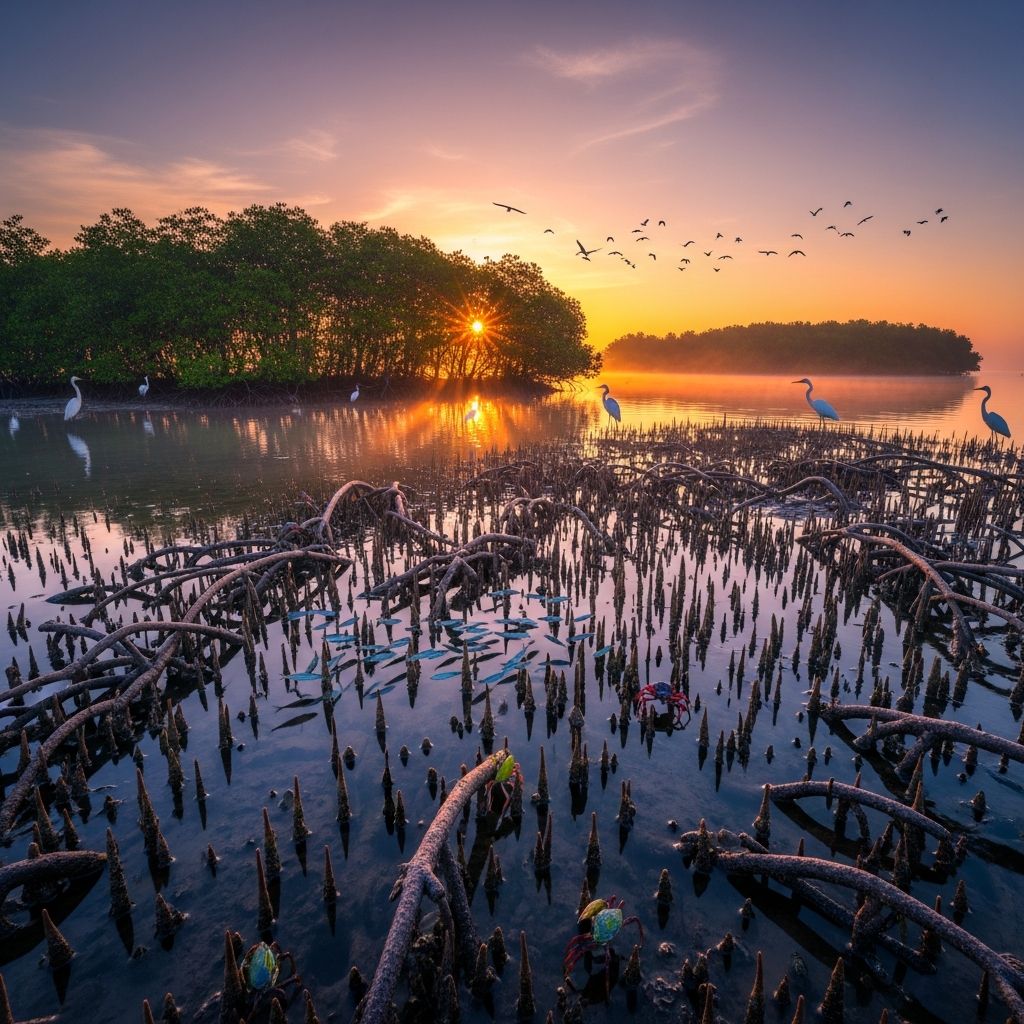
Mangrove forests represent one of Earth’s most dynamic and valuable ecosystems, thriving in tropical and subtropical coastal regions where land and sea converge. These remarkable habitats are characterized by dense thickets of shrubs and trees featuring intricate, exposed root systems that extend into water and sediment. Unlike most terrestrial plants, mangroves have evolved extraordinary adaptations allowing them to flourish in saline environments where freshwater and saltwater intermingle. These extraordinary botanical features are not merely aesthetic curiosities—they form the foundation of a complex ecological system that sustains countless organisms while providing critical services to human populations. The presence of mangrove forests along coastlines has become increasingly recognized by environmental planners, scientists, and coastal communities as a cornerstone of sustainable development and ecological resilience.
The Carbon Storage Powerhouse: Mangroves as Blue Carbon Ecosystems
Among mangrove forests’ most significant contributions to planetary health is their exceptional capacity to sequester and store carbon. The unique soil composition beneath mangrove ecosystems, enriched by nutrients and organic material from tidal cycles, enables these forests to accumulate carbon at rates substantially exceeding those of terrestrial tropical rainforests. Research indicates that mangrove soils function as extraordinarily efficient carbon sinks, capable of storing up to four times more carbon per unit area than conventional tropical forests. This accumulated carbon, referred to as blue carbon, remains locked within the anoxic sediments and living biomass for centuries or even millennia. When mangrove forests remain intact, they continuously extract atmospheric carbon dioxide through photosynthesis and transfer this carbon into their root systems and surrounding soils. Conversely, deforestation of mangrove regions triggers catastrophic carbon release, as disrupted sediments and felled trees decompose rapidly, liberating stored greenhouse gases into the atmosphere. This characteristic makes mangrove conservation and restoration particularly valuable for climate change mitigation strategies.
Biodiversity Hotspots: Supporting Thousands of Species
Mangrove ecosystems function as biodiversity hotspots of extraordinary richness, providing essential habitat for an remarkable array of organisms spanning multiple trophic levels. These forests support thousands of species ranging from microscopic invertebrates to large vertebrates, creating interconnected food webs of remarkable complexity. Fish, crustaceans, and mollusks utilize mangrove habitats for feeding, breeding, and early developmental stages. Migratory birds depend on mangrove canopies for roosting, nesting, and foraging during their hemispheric journeys. Mammals ranging from primates to marine mammals, and reptiles including sea turtles and crocodilians, rely on mangrove environments for survival. Endangered species such as Bengal tigers, proboscis monkeys, and dugongs maintain populations dependent upon intact mangrove territories. The root systems provide protected nurseries where juvenile organisms develop in relative safety from predators and open-water hazards. Seasonal tidal fluctuations distribute nutrients throughout these ecosystems, supporting perpetually renewing food sources for resident and transient populations.
The Nursery Function for Commercial Fish Species
A particularly significant ecological role that mangrove forests perform involves serving as critical nurseries for economically important fish and shellfish species. Approximately 80% of the global fishing catch depends directly or indirectly upon mangrove habitats at some point in these organisms’ life cycles. Young snapper, grouper, shrimp, and crabs utilize mangrove nurseries as protected environments where food availability remains adequate and predation risk relatively low. As these juvenile organisms mature, many migrate to deeper coastal or oceanic waters, eventually supporting commercial and artisanal fisheries that sustain millions of people. This function extends beyond simple food provision—it maintains the ecological balance necessary for sustainable fishing practices and aquaculture operations. Coastal communities relying on fishing as primary income sources face economic devastation when mangrove habitats are converted to alternative land uses or degraded through pollution and water mismanagement.
Water Quality Maintenance and Coastal Protection
The intricate root architecture of mangrove trees provides multiple ecosystem services related to water quality and coastal stability. Mangrove root systems function as natural filtration mechanisms, trapping sediments, nutrients, and pollutants that might otherwise degrade water quality and harm aquatic ecosystems. Nitrates and phosphates originating from agricultural runoff and urban wastewater are absorbed by mangrove tissues or immobilized in sediments, preventing eutrophication and subsequent harmful algal blooms in offshore waters. These water purification functions extend protection to adjacent coral reef ecosystems and seagrass meadows, which depend upon clear, nutrient-balanced water for photosynthesis and survival. The sediment-trapping capacity of mangrove roots prevents silt accumulation on coral reef surfaces, which would otherwise smother these fragile ecosystems and impair their photosynthetic capabilities.
Erosion Prevention and Shoreline Stabilization
Mangrove root networks stabilize coastlines by anchoring sediments and resisting erosive forces from waves, currents, and tidal movements. The above-water root projections reduce wave energy penetration, allowing sand, silt, and organic debris to accumulate and consolidate. Over extended timeframes, this sediment accumulation creates stable substrates upon which new land formation occurs. Shorelines protected by mangrove forests experience significantly reduced erosion compared to similar coastlines lacking this vegetation. During extreme weather events including hurricanes, typhoons, and tsunami impacts, mangrove forests function as natural barriers dissipating storm surge energy and reducing inundation extent and severity. This protective function directly correlates with human safety and property protection, making mangrove conservation economically rational from disaster risk reduction perspectives.
Freshwater Resource Protection in Coastal Regions
Mangrove forests provide critical ecosystem services protecting freshwater resources in regions where saltwater and freshwater interfaces exist. The root systems actively prevent saltwater intrusion into underground aquifers and surface freshwater bodies, maintaining the viability of agricultural irrigation and human consumption supplies. In many tropical coastal regions where alternative freshwater sources are limited, mangrove protection becomes essential for food security and water availability. Communities dependent upon groundwater extraction face severe consequences when mangrove removal permits saltwater contamination, rendering aquifers unsuitable for agriculture and human consumption.
Interconnected Coastal Ecosystems: A System-Level Perspective
Mangrove forests, seagrass meadows, and coral reef systems function as integrated ecological units rather than isolated habitats. Each component provides essential services maintaining the others’ viability and productivity. Mangroves trap sediments and filter pollutants before water reaches seagrass beds. Seagrass formations further clarify water through additional filtration and provide additional substrate stabilization. Coral reefs, in turn, absorb wave energy and provide physical protection to mangrove and seagrass ecosystems during storm events. Disruption of any component through deforestation, pollution, or climate stressors compromises the entire system’s functionality. The productivity of this integrated ecosystem supports food webs of extraordinary complexity, with nutrients cycling among multiple trophic levels and habitats through tidal circulation and biological processes.
Nutrient Cycling and Food Web Productivity
Mangrove forests generate tremendous biological productivity through leaf fall and organic matter decomposition. Annually, each acre of mangrove forest produces tons of fallen leaves that initiate nutrient-rich decomposition processes. As these organic materials break down, they release nutrients supporting invertebrate populations, algal growth, and microbial communities. These organisms subsequently feed small animals including birds, sponges, anemones, jellyfish, shrimp, and larval fish. Tidal circulation distributes nutrients among mudflats, estuaries, and adjacent coral reefs, sustaining organisms such as oysters and other benthic fauna. This nutrient cycling creates self-sustaining systems requiring minimal external inputs while supporting extraordinary biodiversity and biomass accumulation.
Livelihood Support for Coastal Populations
Beyond their ecological functions, mangrove ecosystems directly support human livelihoods through multiple economic activities. Artisanal and small-scale commercial fishing depends substantially upon mangrove habitats for juvenile fish recruitment and crustacean populations. Shellfish harvesting provides protein and income for numerous coastal communities. Beekeeping operations utilize mangrove flowers as nectar sources, producing distinctive honey products. Sustainable harvesting of mangrove wood, medicines derived from plant tissues, and fiber production offer additional income opportunities. Communities managing mangrove ecosystems sustainably can maintain these income sources indefinitely, whereas conversion to aquaculture, agriculture, or urban development typically results in permanent loss of these livelihood opportunities.
Threats to Mangrove Ecosystems and Conservation Implications
Despite their ecological and economic significance, mangrove forests face unprecedented threats from multiple anthropogenic and natural stressors. Aquaculture expansion, particularly shrimp farming operations, represents a primary driver of mangrove conversion in Southeast Asia and other regions. Urban development and agricultural expansion consume mangrove territories at alarming rates. Rising sea levels associated with climate change threaten mangrove viability in regions where coastal development prevents inland migration. Pollution from agricultural runoff, industrial activities, and urban wastewater degrades water quality and impairs mangrove productivity. Invasive species introductions and altered hydrological regimes from dam construction compromise ecosystem integrity. The cumulative impact of these threats necessitates urgent conservation and restoration efforts to preserve remaining mangrove ecosystems and rehabilitate degraded areas.
Economic Valuation and Biodiversity Credit Mechanisms
Recognizing mangrove ecosystems’ extraordinary value, conservation economists have developed mechanisms to quantify and monetize ecosystem services. Biodiversity credits attach financial values to ecosystem conservation and restoration, creating incentive structures encouraging protective management. Given mangroves’ exceptional biodiversity, carbon storage capacity, and coastal protection services, these ecosystems represent ideal candidates for credit-based conservation models. Investment in mangrove biodiversity and carbon credits could simultaneously protect critical habitats while generating revenue supporting local economies and conservation initiatives. However, careful implementation safeguards remain essential to ensure that credit mechanisms genuinely result in environmental protection rather than providing perverse incentives for exploitation.
Comparative Ecosystem Services: Mangroves Versus Alternatives
| Ecosystem Service | Mangrove Forests | Tropical Rainforests | Coral Reefs |
|---|---|---|---|
| Carbon Storage Capacity | Up to 4x higher per unit area | Lower than mangroves | Moderate |
| Fish Nursery Function | Exceptional | Limited | High for reef-dependent species |
| Storm Surge Protection | High (physical barrier) | Moderate | High (wave attenuation) |
| Water Filtration | Highly effective | Limited direct filtering | Significant |
| Coastal Stabilization | Exceptional | Not applicable (upland) | Moderate |
Frequently Asked Questions About Mangrove Ecosystems
Q: What distinguishes mangrove trees from other coastal vegetation?
A: Mangrove trees possess specialized adaptations including exposed, intricate root systems that anchor them in waterlogged sediments and filter saltwater, enabling survival in environments toxic to most terrestrial plants. Their leaves and tissues often contain salt-concentrating cells allowing them to tolerate high salinity levels.
Q: Why do mangrove forests support such exceptional biodiversity?
A: The complex three-dimensional structure created by mangrove roots provides physical habitat and protective refugia for numerous organisms. Nutrient cycling from leaf fall, sediment trapping, and gradual water circulation support food webs of remarkable complexity. The interface between saltwater and freshwater creates environmental gradients supporting species with varied salinity tolerances.
Q: How effective are mangroves at protecting coastlines from storm damage?
A: Mangrove forests significantly reduce storm surge penetration and wave energy through their dense vegetation and root structures. Studies consistently demonstrate that mangrove-protected coastlines experience less flooding, reduced property damage, and lower casualty rates during hurricanes and typhoons compared to unprotected shorelines.
Q: Can mangrove ecosystems be restored once degraded?
A: While restoration is possible, it requires substantial time and resources. Mangrove reforestation can reestablish ecological functions, though full restoration of original biodiversity and ecosystem services typically requires decades. Prevention of further loss remains more cost-effective than restoration efforts.
Q: What are blue carbon credits and how do they benefit mangrove conservation?
A: Blue carbon credits monetize the carbon sequestration services provided by coastal ecosystems including mangroves. These financial mechanisms create economic incentives for conservation and restoration, generating revenue that can support local communities while protecting critical habitats.
The Path Forward: Integrating Mangrove Conservation Into Global Environmental Strategy
The convergence of climate change, biodiversity loss, and coastal development pressures demands urgent action prioritizing mangrove ecosystem protection and restoration. Sustainable management frameworks must balance conservation objectives with livelihood needs of coastal populations dependent upon mangrove resources. International cooperation addressing transboundary mangrove ecosystems, coupled with national-level policy reforms discouraging destructive conversion practices, provides essential foundations for comprehensive protection. Investment in restoration initiatives targeting degraded mangrove areas can restore ecosystem functions while sequestering carbon and supporting biodiversity recovery. Integrating mangrove ecosystems into climate adaptation and disaster risk reduction strategies recognizes their multiple values while justifying investment priorities. The scientific consensus affirms that mangrove forests represent among Earth’s most valuable ecosystems requiring immediate, sustained conservation commitment.
References
- Why Mangroves Are Vital for Global Biodiversity — Mangrove Action Project. 2024-11. https://mangroveactionproject.org/2024/11/why-mangroves-are-vital-for-global-biodiversity/
- Mangroves — Smithsonian Ocean. National Museum of Natural History. https://ocean.si.edu/ocean-life/plants-algae/mangroves
- Why Mangroves Matter: Diverse Ecosystems — American Museum of Natural History. https://www.amnh.org/explore/videos/biodiversity/mangroves/why-mangroves-matter
- The Importance of Mangrove Forests — Earth Day Network. https://www.earthday.org/the-importance-of-mangrove-forests/
- The Importance of Conservation and Monitoring of the Dynamic Mangrove Ecosystem — Upstream. 2024-07. https://www.upstream.tech/posts/the-importance-of-conservation-and-monitoring-of-the-dynamic-mangrove-ecosystem
- Mangroves Mean Life for Coastal Communities Throughout the Tropics — World Wildlife Fund. https://www.worldwildlife.org/news/stories/mangroves-mean-life-for-coastal-communities-throughout-the-tropics/

- Integrated M.A. in Applied Linguistics, University of Hyderabad
- 5+ years in editorial, instructional, SEO, and research-based writing
Sneha is a relationships and lifestyle writer with a strong foundation in applied linguistics and certified training in relationship coaching. She brings over five years of writing experience to theskillvault, crafting thoughtful, research-driven content that empowers readers to build healthier relationships, boost emotional well-being, and embrace holistic living. Her writing and insights reflect the belief that beauty, happiness, and wellness…