
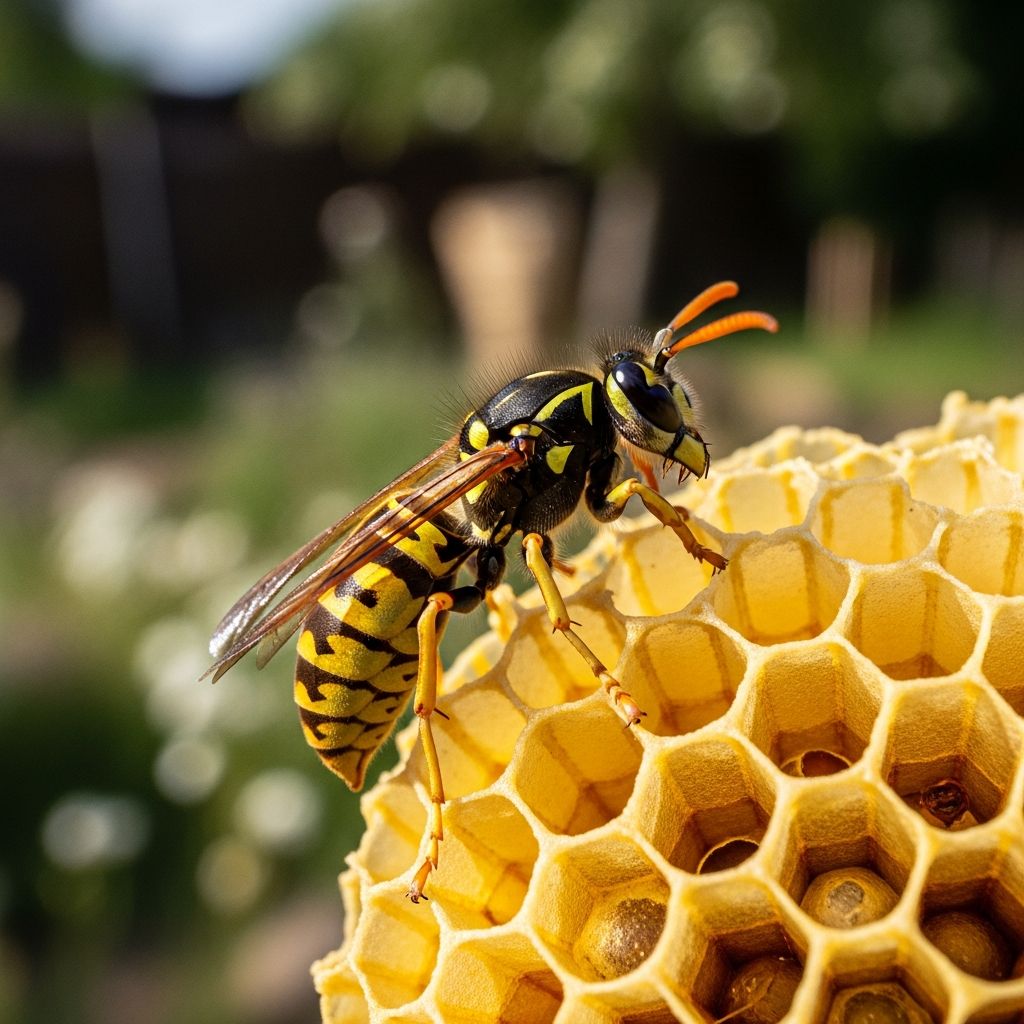
Wasps often evoke fear due to their stings, but these insects play crucial roles in maintaining ecological balance, supporting agriculture, and offering potential benefits to human health and nutrition. Far from being mere nuisances, wasps contribute to services valued in hundreds of billions of dollars annually, as evidenced by comprehensive scientific reviews.
Master Predators: Wasps as Natural Pest Managers
One of the most significant contributions of wasps lies in their predatory behavior, where they act as top controllers of insect populations that threaten crops and gardens. Over 30,000 species of aculeate wasps, including both solitary and social varieties, hunt a wide array of invertebrates such as aphids, caterpillars, spiders, roaches, and flies.
Solitary wasps often specialize in targeting specific pests, making them ideal for precise biocontrol, while social wasps serve as generalists, adapting to various threats in local environments. This predation helps regulate arthropod populations, preventing outbreaks that could devastate agriculture. Globally, insect predation as a form of biocontrol is estimated to be worth at least $416 billion per year, with wasps playing a substantial yet underrecognized role.
Recent field studies in Brazil demonstrated the effectiveness of common social wasps in reducing damage from the fall armyworm, a notorious pest causing billions in losses to maize and sugarcane crops. When wasps had access to fields, pest numbers and crop damage dropped significantly, highlighting their potential as sustainable alternatives to chemical pesticides, especially in tropical developing regions.
- Key advantages of wasp predation:
- Rapid reproduction matches pest population surges.
- Low environmental risk when using native species.
- Cost-effective for small-scale farmers.
Parasitoid wasps take this further by laying eggs inside host insects. The larvae then consume the host from within, effectively eliminating pests like caterpillars or aphids without harming beneficial species. These tiny, non-stinging wasps are gardeners’ allies, specializing on single pest types and operating unnoticed.
Pollinators of the Underappreciated Kind
While bees dominate pollination discussions, wasps visit over 960 plant species and are the sole pollinators for 164 of them, including certain orchids and figs that have co-evolved specialized attractions like female-mimicking shapes. Figs, in particular, support over 1,000 species of tropical birds and mammals, underscoring wasps’ indirect biodiversity impact.
Many wasps function as generalist pollinators, providing backup services if primary pollinators decline due to habitat loss or pesticides. Their pollination contributions bolster agriculture, part of a service valued at over $250 billion annually worldwide. In viticulture, wasps uniquely aid grape cultivation by carrying wild yeast on their bodies from fermented fruits to new crops, ensuring natural fermentation cycles essential for wine production.
| Plant Type | Wasps’ Pollination Role | Economic/ Ecological Impact |
|---|---|---|
| Orchids | Sole pollinators for many species | Preserves rare flora diversity |
| Figs | Exclusive carriers | Supports 1,000+ animal species |
| Grapes | Yeast dispersal | Enhances global wine industry |
| General crops | Backup pollinators | $250B+ annual value |
Environmental Cleaners and Decomposers
Wasps contribute to ecosystem hygiene by scavenging dead insects, preventing accumulations of carcasses that could foster mold or disease. They transport these remains to nests to feed larvae, effectively recycling nutrients and maintaining tidiness in natural and agricultural settings.
This decomposition service aids nutrient cycling, returning essential elements to the soil. Additionally, some wasps disperse seeds while foraging, promoting plant regeneration in fragmented habitats. In a world facing biodiversity loss, these roles help sustain healthy ecosystems amid human pressures like urbanization and intensive farming.
Wasps in Medicine and Nutrition
Beyond ecology, wasps offer direct human benefits. Their venom and saliva exhibit antibiotic properties, combating bacterial infections. Yellowjacket venom shows anticancer potential, with compounds under study for tumor treatment. These bioactive substances could lead to new pharmaceuticals, leveraging wasps’ chemical defenses evolved over millennia.
In many tropical cultures, wasp larvae are harvested as a nutritious food source, rich in protein and essential amino acids. Promoting entomophagy—eating insects—addresses sustainable protein needs. Insect farming requires far fewer resources than livestock: 12 times less for equivalent protein output, with reduced water use, land, and greenhouse gas emissions.
- Nutritional profile of wasp larvae:
- High protein content.
- Rich in vital amino acids.
- Low environmental footprint.
Wasps also hold promise as bioindicators for environmental monitoring, their populations reflecting pollution or habitat health due to sensitivity to changes.
Challenging Misconceptions and Promoting Conservation
Public disdain for wasps stems from stings and ignorance of their value, unlike bees which are celebrated despite similar risks. Education is key: only a minority sting, and most are solitary, non-aggressive types. Habitat preservation and reduced pesticide use can enhance their populations, benefiting all.
Researchers advocate recognizing wasps’ $416B+ in pest control and $250B+ in pollination alone, urging policy shifts toward biocontrol integration. In gardens, tolerating wasps means fewer chemical sprays and healthier yields.
Frequently Asked Questions (FAQs)
Are all wasps dangerous to humans?
No, the majority are solitary and do not sting humans. Social wasps sting only when defending nests, and most species pose minimal threat.
Can wasps replace pesticides in farming?
Yes, studies show native wasps effectively control pests like armyworms on crops such as maize, offering sustainable, low-risk alternatives.
Do wasps really pollinate plants like bees?
Absolutely; they pollinate 960+ species, exclusively for 164, serving as vital backups and specialists for figs and orchids.
Is eating wasps safe and nutritious?
In cultures where practiced, yes—larvae are protein-packed and eco-friendly, using 12x fewer resources than beef.
How can I attract beneficial wasps to my garden?
Plant diverse native flowers, avoid broad-spectrum pesticides, and leave dead wood or stems for nesting.
Conclusion: Time to Appreciate the Wasp
Wasps are indispensable allies in ecology, agriculture, health, and sustainability. By understanding and protecting them, we safeguard biodiversity and economies. Shift perceptions from pests to partners for a thriving planet.
References
- Wasps are valuable for ecosystems, economy and human health (just like bees) — UCL News. 2021-04-29. https://www.ucl.ac.uk/news/2021/apr/wasps-are-valuable-ecosystems-economy-and-human-health-just-bees
- Wasps: why I love them, and why you should too — Inside Ecology. 2021-04-30. https://insideecology.com/2021/04/30/wasps-why-i-love-them-and-why-you-should-too/
- 5 Benefits of Wasps — Mr Wasp. N/A. https://www.mrwasp.co.uk/5-benefits-of-wasps
- Wasps – Beneficial Insects and Pollinators — Penn State Extension. N/A. https://extension.psu.edu/programs/master-gardener/counties/monroe/news/wasps-beneficial-insects-and-pollinators
- Wasps are a gardener’s friend — University of Minnesota Extension. N/A. https://extension.umn.edu/beneficial-insects/wasps-are-gardeners-friend
- What’s Wasps Got to Do With It — Defenders of Wildlife. 2021. https://defenders.org/magazine/summer-2021/whats-wasps-got-do-it

- Integrated M.A. in Applied Linguistics, University of Hyderabad
- 5+ years in editorial, instructional, SEO, and research-based writing
Sneha is a relationships and lifestyle writer with a strong foundation in applied linguistics and certified training in relationship coaching. She brings over five years of writing experience to theskillvault, crafting thoughtful, research-driven content that empowers readers to build healthier relationships, boost emotional well-being, and embrace holistic living. Her writing and insights reflect the belief that beauty, happiness, and wellness…