
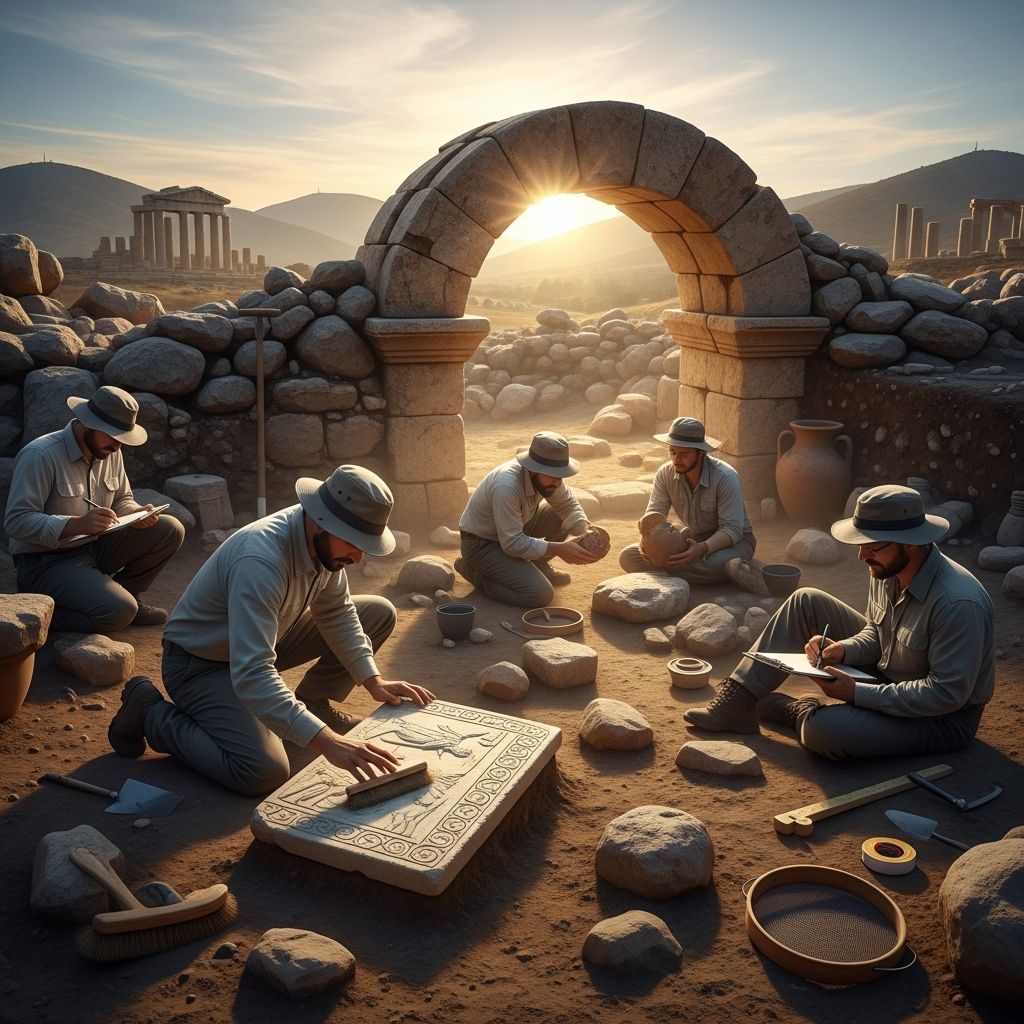
The people we know today as Greeks have long referred to themselves by a different name: Hellenes. This distinction arises from deep-rooted mythology, tribal histories, and interactions with neighboring civilizations, particularly the Romans who popularized the term ‘Graeci.’ Understanding this duality reveals layers of cultural identity that persist into the modern era.
Ancient Self-Identification: Birth of the Hellenes
In antiquity, inhabitants of the region encompassing modern Greece identified collectively as Hellenes, deriving from a mythical ancestor named Hellen. This name encapsulated not just a lineage but a shared cultural and religious ethos centered around key sanctuaries like Delphi and Dodona. The term emerged prominently during the Archaic period, coinciding with the formation of amphictyonic leagues—associations of tribes united for religious purposes.
Historical texts, including those by Homer, depict Hellenes as a specific tribe in Thessaly’s Phthia region, known for its warriors under Achilles during the Trojan War. Over time, this localized name expanded to encompass broader Greek-speaking populations, symbolizing unity amid dialectal and regional diversity.
- Thessalian Origins: Phthia as the cradle, described as ‘kalligýnaikos’ or land of beautiful women.
- Expansion Mechanism: Through cultic networks like the Amphictyonic League protecting Delphi’s oracle.
- Mythical Reinforcement: Hellen as son of Deucalion and Pyrrha, survivors of a great flood akin to global deluge myths.
Mythological Foundations: Hellen and His Lineage
Greek mythology provides the foundational narrative for the ethnonym Hellenes. Deucalion and Pyrrha, the sole survivors of Zeus’s flood, repopulated humanity by throwing stones that transformed into men and women. Their son Hellen became the eponymous father of the Hellenic tribes, fathering key figures like Aeolus (Aeolians), Dorus (Dorians), and Xuthus (ancestor of Ionians and Achaeans).
This genealogy structured ancient Greek identity into four major branches:
| Tribe | Founder | Regions | Characteristics |
|---|---|---|---|
| Aeolians | Aeolus | Thessaly, Boeotia, Lesbos | Dialectal innovators, poetic traditions |
| Dorians | Dorus | Peloponnese, Crete, Sicily | Militaristic, Spartan heritage |
| Ionians | Ion (son of Xuthus) | Attica, Aegean islands, Asia Minor | Maritime traders, philosophical centers |
| Achaeans | Achaeus (son of Xuthus) | Northern Peloponnese | Homeric heroes, Mycenaean legacy |
These divisions highlight how mythology served as a unifying framework, glossing over pre-Hellenic substrates like Pelasgians.
The Roman Perspective: Emergence of ‘Graeci’ and ‘Graecia’
While Hellenes was the endonym, outsiders, especially Romans, used ‘Graeci.’ This likely originated from encounters with the Graikoi, an early group in Epirus or Boeotia. Aristotle notes in his Meteorologica that the region around Dodona and the Achelous River was home to Selloi priests and Graeci, later known as Hellenes.
The term Graeci spread via Latin, becoming ‘Greece’ in English and equivalents in many languages. This exonym reflected Roman interactions with southern Italian Greek colonies, where ‘Graecus’ denoted Hellenic speakers westward of core Hellas.
- Epirote Connection: Aristotle links Graeci to flood-survivor myths near Dodona.
- Italic Adoption: Romans applied it broadly post-colonization contacts.
- Linguistic Evolution: From ‘Graikoi’ to ‘Grecs,’ ‘Greci,’ etc., bypassing Hellenes.
Geographical and Cultural Evolution of ‘Hellas’
The name Hellas initially denoted a limited area in Thessaly, expanding post-Trojan War via amphictyonies. By the Classical period, it encompassed the entire peninsula and colonies. Homer’s Iliad limits Hellas to Phthiotic Achaea, but later sources universalize it.
Cultural markers reinforced this: Panhellenic festivals like Olympia united tribes under the Hellenes banner, distinguishing them from barbarians. The Persian Wars crystallized this identity, with Hellenes fighting as one against Eastern foes.
Pre-Hellenic Layers: Pelasgians and Substrates
Before widespread Hellenic adoption, indigenous groups like Pelasgians inhabited the region. Homer associates them with Dodona’s Zeus cult, served by Selloi prophets. Theories suggest ‘Hellenes’ evolved from ‘Sellanes’ via linguistic shifts, blending Dorian expansions with local populations.
Other primordial names like Ogyges evoke a ‘primeval’ era, tied to oceanic myths and gigantic floods, underscoring layered ethnogenesis.
Modern Legacy: Hellas vs. Greece Today
Contemporary Greeks officially use ‘Hellada’ (Hellas) and ‘Ellines’ (Hellenes), preserving ancient self-perception. ‘Greece’ dominates internationally due to Roman legacy. This bilingual nomenclature reflects enduring pride in mythic origins amid global standardization.
In Cyprus and diaspora communities, Hellenic identity extends regionally, invoking shared heritage from Aegean to Black Sea.
Global Names for Greeks: A Comparative Table
| Language | Country Name | People Name | Origin |
|---|---|---|---|
| English | Greece | Greeks | Latin Graecia/Graeci |
| Greek | Hellada | Hellenes | Mythical Hellen |
| French | Grèce | Grecs | Latin via Romance |
| Arabic | al-Yūnān | Yunan | Persian Ionian influence |
| Turkish | Yunanistan | Yunanlar | Via Persian |
Frequently Asked Questions (FAQs)
What is the origin of the name Hellenes?
Hellenes derives from Hellen, son of flood survivors Deucalion and Pyrrha, mythically fathering major Greek tribes.
Why do English speakers say ‘Greece’ instead of Hellas?
‘Greece’ stems from Roman ‘Graecia,’ based on early encounters with Graikoi tribes in Epirus or Boeotia.
Were all ancient Greeks called Hellenes from the start?
No, initially a Thessalian tribe; it expanded via religious leagues and myths post-Trojan War era.
How did Roman naming influence modern terms?
Romans generalized ‘Graeci’ from southern Italian colonies, embedding it in Western languages.
Do modern Greeks prefer Hellenes or Greeks?
Greeks use Hellenes and Hellada domestically, embracing both internationally.
Debates and Scholarly Theories
Scholars debate whether Hellenes preceded or followed Graeci. Aristotle’s Epirote localization suggests an early western usage, while Homeric texts anchor it in central Greece. Parian Chronicle claims Phthia Hellenes supplanted Graikoi naming.
Some posit linguistic evolution from Selloi to Hellenes, tying to Zeus cults. Others see it as Dorian innovation over Pelasgian bases. Consensus views it as a constructed unity myth for disparate tribes.
References
- Names of the Greeks — Wikipedia. 2023-10-15. https://en.wikipedia.org/wiki/Names_of_the_Greeks
- Name of Greece — Wikipedia. 2023-11-02. https://en.wikipedia.org/wiki/Name_of_Greece
- The story/reason why Greeks call themselves “Hellenes” — Diane Ioannou. 2018-06-12. https://dianeioannou.com/blog/the-story-reason-why-greeks-call-themselves-hellenes-hellen-was-537b7623d7
- Hellas: The Mythical Origin of Greece’s Name — Greek Learning Hub. 2022-05-20. https://greeklearninghub.com/hellas-the-mythical-origin-of-greeces-name/
- Why “Greece” and not “Hellas”? — Study in Greece. 2021-09-10. https://studyingreece.edu.gr/why-greece-and-not-hellas/

- Integrated M.A. in Applied Linguistics, University of Hyderabad
- 5+ years in editorial, instructional, SEO, and research-based writing
Sneha is a relationships and lifestyle writer with a strong foundation in applied linguistics and certified training in relationship coaching. She brings over five years of writing experience to theskillvault, crafting thoughtful, research-driven content that empowers readers to build healthier relationships, boost emotional well-being, and embrace holistic living. Her writing and insights reflect the belief that beauty, happiness, and wellness…