
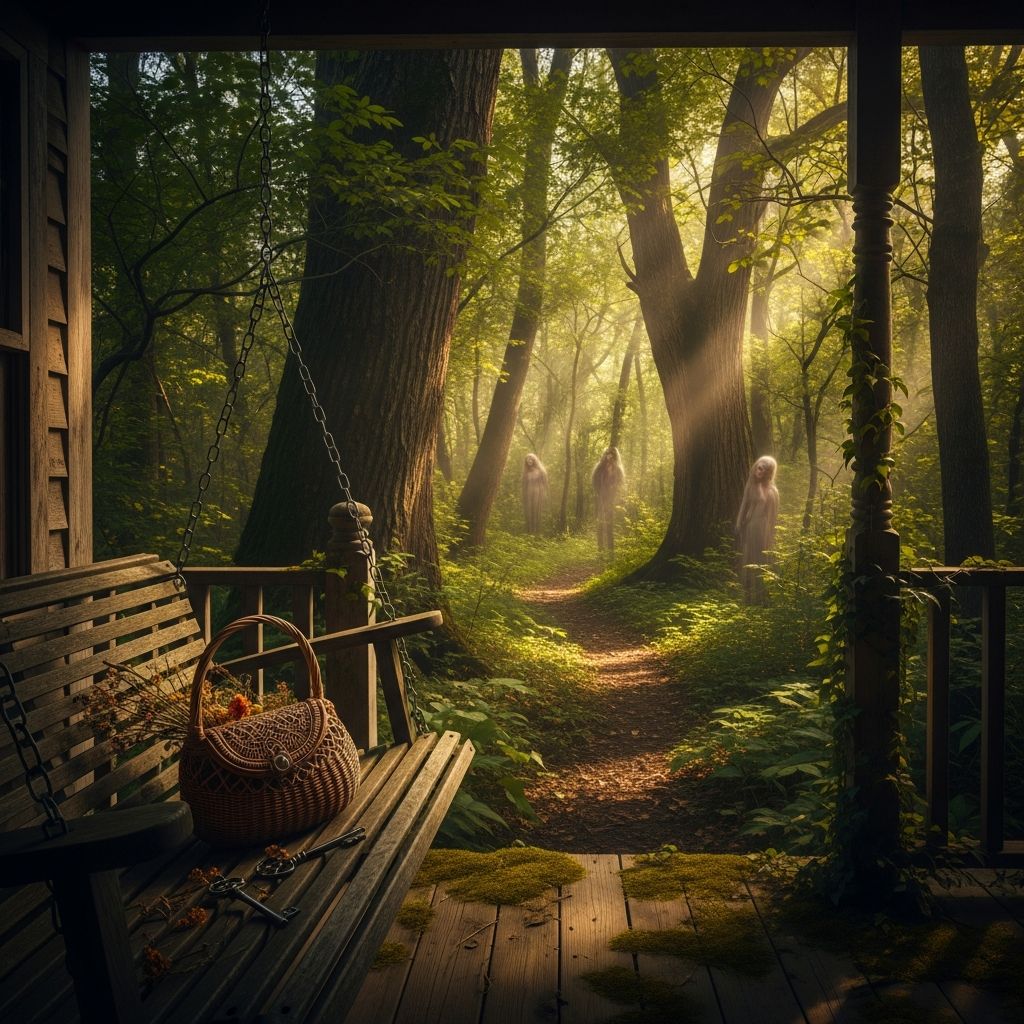
Kelly Link’s short story “The Summer People,” featured in her acclaimed collection Get in Trouble, masterfully weaves threads of realism and fantasy into a poignant narrative about entrapment, budding connections, and hidden worlds. Set against the backdrop of a remote lakeside community, the tale follows teenager Fran as she navigates illness, familial neglect, and secret obligations to enigmatic beings known as the summer people.
The Rural Setting and Its Inhabitants
The story unfolds in a small, economically strained town nestled by a lake in North Carolina, where seasonal visitors—wealthy outsiders—own vacation homes tended by locals like Fran and her father. These “summer people” represent not just affluent tourists but also supernatural entities dwelling in a parallel realm, demanding meticulous care from their human caretakers. Fran’s life revolves around preparing these homes: stocking pantries, laundering linens, and adhering to peculiar instructions etched on walls, such as cryptic warnings that hint at the perils of overstepping boundaries.
Fran, a high school student, lives in poverty with her moonshiner father, who prioritizes spiritual quests over parental duties. When she falls gravely ill with a fever, he abandons her to “get right with God,” leaving her to fulfill obligations alone. This neglect underscores the story’s exploration of isolation in impoverished rural life, where survival hinges on unreliable labor for the rich.
Enter Ophelia: A Bridge Between Worlds
Ophelia’s arrival introduces a catalyst for change. Once part of the summer elite—her family owned a lake house and she drives a Lexus—Ophelia now resides year-round in the town after relocating from the city. Rumors swirl that she was ostracized for kissing another girl, marking her as a queer outcast in this conservative community. Despite initial wariness, Fran accepts Ophelia’s help when illness prevents her from preparing the Robertses’ home, one of the human summer families.
Ophelia’s kindness shines through small acts: delivering food, assisting with chores, and eventually venturing into the faerie domain at Fran’s behest. This partnership evolves from pragmatic necessity to tentative friendship, highlighting themes of empathy across class lines. Ophelia, no longer a fleeting visitor, embodies the tension between her privileged past and present outsider status.
Supernatural Elements and Fairy Tale Tropes
Midway through, the narrative pivots to overt fantasy. The true “summer people” reveal themselves as diminutive, otherworldly creatures akin to fairies or dwarves, inhabiting a house built from a Sears catalog but infused with magic. They produce enchanted honey that laces local moonshine, granting visions or alterations to reality. Fran, bound by a generational pact, cannot leave the area—a curse mirroring the socioeconomic chains of poverty that trap her in check-to-check existence.
To cure her flu, Fran plucks three hairs and dispatches Ophelia on a quest for an elixir, invoking classic fairy tale motifs like tests of boldness and riddles. Walls bear inscriptions like “BE BOLD, BE BOLD, BUT NOT TOO BOLD,” cautioning against excess that could unravel the fragile bargain. This magical realism critiques modernity: Fran’s father seeks revival via internet tent revivals, blending old folklore with contemporary disconnection.
Themes of Class, Queerness, and Entrapment
Central to the story is the chasm between locals and summer visitors. Human summer people, like the Robertses, exploit Fran’s labor without reciprocity, echoing Shirley Jackson’s “The Summer People,” where urban elites remain oblivious to rural rhythms. Link inverts Jackson’s perspective, centering the caretaker’s view to expose exploitation.
Queer undertones enrich Ophelia’s character; her exile parallels Fran’s isolation, fostering solidarity. Their bond hints at unspoken attraction, subverting heteronormative expectations in a tale of hidden desires. Entrapment manifests multiply: Fran’s supernatural bond prevents escape, much like poverty bars college or mobility, rendering dreams unattainable.
| Theme | Real-World Element | Supernatural Parallel |
|---|---|---|
| Class Divide | Wealthy tourists vs. local poor | Faeries demanding eternal service |
| Isolation | Fran’s neglectful home | Pact binding her to the land |
| Queer Identity | Ophelia’s rumors and outcast status | Hidden desires amid faerie warnings |
| Modernity vs. Tradition | Internet revivals, Lexus car | Magical honey in moonshine |
Narrative Style and Literary Influences
Link’s prose is sparse yet evocative, building suspense through Fran’s feverish perspective. Everyday details—iPod classes, emergency room bills—ground the fantastical, making the supernatural intrusion feel inevitable. Influences from folklore abound: the three hairs evoke Rapunzel or Baba Yaga, while the fairy house mirrors catalog kits twisted into enchantment.
Critics praise Link’s ambiguity; the summer people’s nature remains elusive, inviting readers to ponder their reality. This mirrors Jackson’s subtle menace, but Link infuses hope via friendship, albeit truncated by consequences.
Character Development and Emotional Core
- Fran: Resilient yet armored, her vulnerability emerges with Ophelia, revealing a heart yearning for escape.
- Ophelia: Generous despite privilege, her appreciation for local beauty contrasts summer transients’ detachment.
- The Father: Embodiment of neglect, his moonshining and quests highlight generational cycles of failure.
- Summer People: Capricious benefactors/tyrants, their honey cures but binds.
The emotional peak occurs as friendship blooms, only for paternal recklessness to invite disaster, underscoring fragility in constrained lives.
Frequently Asked Questions (FAQs)
What inspired Kelly Link’s ‘The Summer People’?
Link draws from Shirley Jackson’s story of the same name, flipping the viewpoint to the locals while incorporating fairy tale elements like quests and pacts.
Who are the summer people in the story?
They are magical faerie-like beings who demand caretaking services in exchange for boons like healing elixirs, distinct from human vacationers.
Is there a queer reading of the story?
Yes, Ophelia’s backstory of kissing a girl and her bond with Fran suggest themes of queer isolation and tentative romance.
How does class play a role?
The tale contrasts wealthy newcomers with impoverished locals, paralleling supernatural servitude to economic exploitation.
What’s the story’s ending like?
It culminates in bittersweet consequences, blending melancholy realism with fantasy’s unresolved magic.
Link’s Broader Impact in Speculative Fiction
“The Summer People” exemplifies Link’s signature style: blending horror, humor, and heart in slipstream fiction. Published in Get in Trouble (2015), it garnered Nebula nominations, cementing her as a genre innovator. Readers appreciate how she humanizes the uncanny, making rural America’s struggles resonate universally.
Comparisons to Jackson highlight Link’s evolution of mid-20th-century unease into 21st-century concerns like digital disconnection and identity politics. The story’s brevity amplifies its punch, leaving lingering questions about bargains we all strike—for health, love, or survival.
In academic circles, it’s dissected for postmodern fairy tales, where folklore critiques capitalism and marginalization. Aspiring writers study its seamless genre shifts, proving speculative elements enhance rather than escape reality.
References
- The Summer People by Kelly Link | Goodreads — Goodreads. Accessed 2026. https://www.goodreads.com/book/show/25240833-the-summer-people
- A Class Critique with iPods, Sears Catalogues, and Fairies — Reactor Mag. 2020-04-15. https://reactormag.com/the-summer-people-kelly-link-get-in-trouble-short-story-collection/
- 36: The Summer People Of Shirley Jackson And Kelly Link — Black Cardigan Edit. Accessed 2026. https://blackcardiganedit.com/newsletter/36-the-summer-people-of-shirley-jackson-and-kelly-link/
- Short Story Wednesday: “The Summer People” by Kelly Link — Bitter Tea and Mystery. 2025-08-01. http://bitterteaandmystery.blogspot.com/2025/08/short-story-wednesday-summer-people-by.html
- The Summer People Analysis — Cram. Accessed 2026. https://www.cram.com/essay/The-Summer-People-Analysis/FKHQKCG79J55W

- Integrated M.A. in Applied Linguistics, University of Hyderabad
- 5+ years in editorial, instructional, SEO, and research-based writing
Sneha is a relationships and lifestyle writer with a strong foundation in applied linguistics and certified training in relationship coaching. She brings over five years of writing experience to theskillvault, crafting thoughtful, research-driven content that empowers readers to build healthier relationships, boost emotional well-being, and embrace holistic living. Her writing and insights reflect the belief that beauty, happiness, and wellness…