
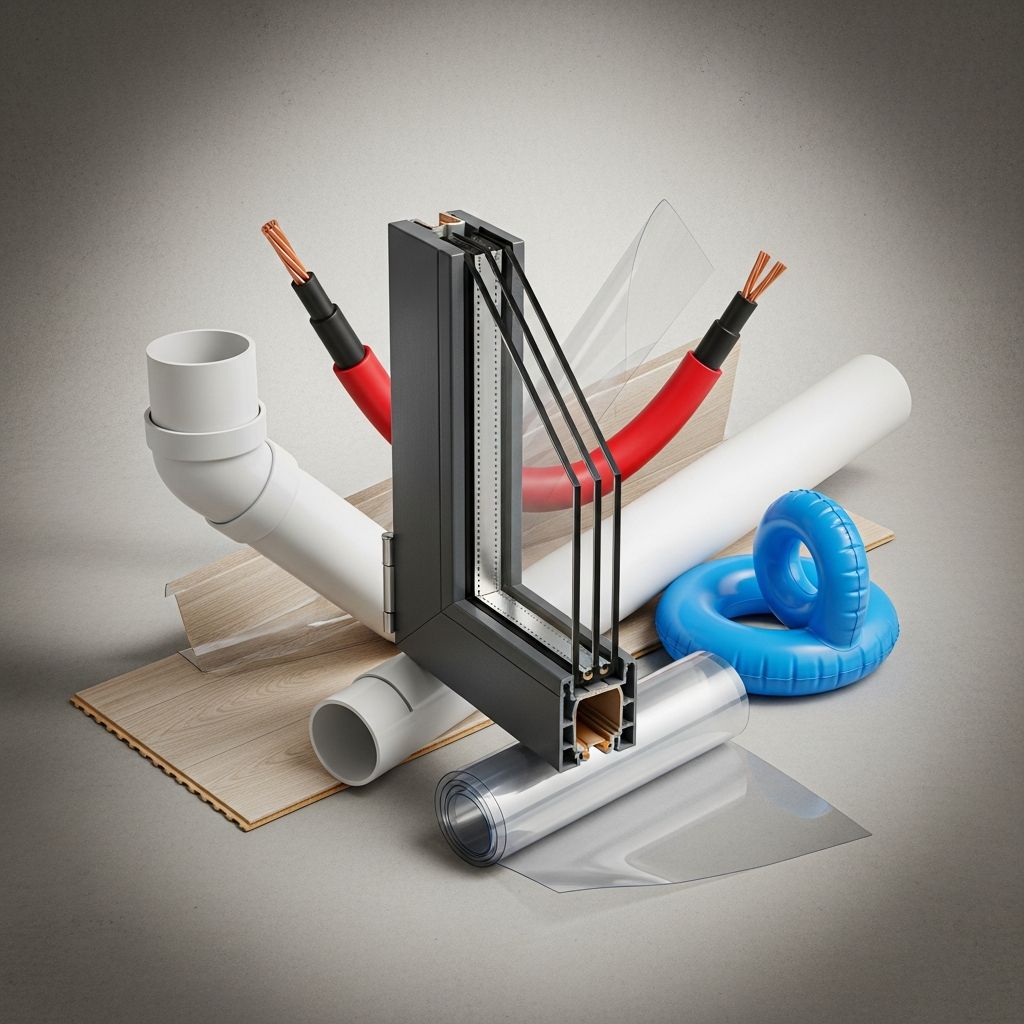
Polyvinyl chloride, commonly known as PVC, ranks as the third most produced synthetic plastic polymer globally, trailing only polyethylene and polypropylene. This thermoplastic material, derived from common resources like salt and oil, offers exceptional versatility, making it indispensable across numerous industries.
Origins and Discovery of PVC
The story of PVC begins in the late 19th century with a serendipitous laboratory mishap. In 1872, German chemist Eugen Baumann observed that vinyl chloride gas, when exposed to sunlight, formed a white powdery solid—later identified as polyvinyl chloride. Though discovered early, practical commercialization didn’t occur until the 20th century. During World War II, resource shortages spurred innovations that made PVC viable for mass production, propelling it into widespread use.
By the mid-1900s, advancements in polymerization techniques allowed for controlled production, transforming PVC from a curiosity into a cornerstone of modern materials science. Today, annual global production exceeds 40 million tons, underscoring its economic significance.
How PVC is Manufactured: From Raw Materials to Finished Product
PVC production starts with abundant, inexpensive feedstocks: approximately 57% from salt (sodium chloride) and 43% from oil or natural gas. The process unfolds in several key stages.
- Ethylene Production: Natural gas undergoes ‘cracking’—heating under pressure—to yield ethylene.
- Chlorine Extraction: Rock salt is electrolyzed to produce chlorine gas and sodium hydroxide.
- Vinyl Chloride Monomer (VCM) Synthesis: Ethylene reacts with chlorine in the presence of a catalyst to form VCM, the building block of PVC.
- Polymerization: VCM molecules link into long chains through suspension, emulsion, or bulk polymerization methods, creating PVC resin powder.
- Compounding and Processing: Additives like stabilizers, plasticizers, and pigments are mixed in. The compound is then extruded, injection-molded, or calendered into pipes, sheets, films, or profiles.
This efficient process ensures PVC’s low cost, a primary reason for its ubiquity. Modern facilities emphasize energy efficiency and reduced emissions, aligning with sustainability goals.
Key Properties That Make PVC Indispensable
PVC’s appeal stems from its balanced physical, chemical, and mechanical attributes. Rigid PVC boasts a density of 1.3-1.45 g/cm³, high tensile strength (around 2.6 N/mm²), and excellent durability, lasting up to 40 years in demanding environments.
Flexible PVC, achieved by adding plasticizers, offers densities of 1.1-1.35 g/cm³ with enhanced pliability. Both forms resist chemicals, corrosion, abrasion, and weathering exceptionally well.
| Property | Rigid PVC | Flexible PVC |
|---|---|---|
| Density (g/cm³) | 1.3-1.45 | 1.1-1.35 |
| Tensile Strength (N/mm²) | ~2.6 | Lower, but flexible |
| Key Strengths | Impact resistance, stiffness | Elasticity, clarity |
| Common Additives | Stabilizers | Plasticizers (e.g., phthalates) |
These traits enable PVC to outperform traditional materials like wood, metal, and rubber in cost and longevity.
Rigid vs. Flexible PVC: Tailored for Specific Needs
PVC manifests primarily in two variants: rigid (uPVC or RPVC) and flexible (PVC-P).
- Rigid PVC: Unplasticized, it’s stiff, hard, and ideal for structural applications. Superior resistance to water, chemicals, and impacts makes it perfect for pipes and profiles.
- Flexible PVC: Plasticizers reduce crystallinity, yielding soft, bendable material for hoses, cables, and films. Variants like CPVC (chlorinated PVC) enhance heat and chemical resistance for specialized uses.
Other formulations, such as PVC-O (oriented) for films or PVC-M (modified), expand its utility further.
Broad Applications Across Industries
Construction and Infrastructure
PVC dominates construction, comprising over 60% of its use. Pipes for water, sewage, and drainage leverage its corrosion resistance and lightweight design. Window frames, doors, siding, and roofing membranes benefit from weatherproofing and insulation properties.
Electrical and Electronics
As insulation for wires and cables, PVC prevents electrical hazards while remaining flame-retardant. It’s also used in conduits and electronic housings.
Healthcare and Consumer Goods
Medical tubing, blood bags, and devices favor flexible PVC for biocompatibility and clarity. Everyday items include flooring, inflatable products, packaging, and credit cards.
- Marine applications: Boat hulls and fittings.
- Textiles: Coated fabrics for upholstery and tarps.
- Packaging: Shrink films and bottles.
Environmental Considerations and Recycling
While PVC’s longevity reduces replacement needs, production involves chlorine, raising concerns about dioxin emissions if not managed. Additives like phthalates have sparked health debates, though regulated formulations mitigate risks.[10]
Recycling is advancing: Mechanical recycling reprocesses clean PVC into new products, while chemical methods break it back to monomers. Europe leads with robust PVC recycling programs, recovering over 800,000 tons annually. Life-cycle assessments show PVC often has a lower carbon footprint than alternatives like concrete or steel.
Innovations include bio-based plasticizers and lead-free stabilizers, enhancing sustainability.
Challenges and Safety in PVC Use
PVC is labeled #3 plastic, recyclable but requiring specialized facilities due to contaminants. Incineration risks HCl emissions, so landfilling or advanced recycling is preferred. Regulations from bodies like the EPA ensure safe production and use.
Despite myths, properly formulated PVC poses minimal health risks in consumer applications. Its flame retardancy (#3’s self-extinguishing nature) adds safety in buildings.
The Future of PVC Innovation
Ongoing R&D focuses on greener production, such as using renewable ethylene and advanced stabilizers. PVC’s adaptability promises growth in renewable energy (solar panels, wind turbine components) and smart materials.
With global demand rising, sustainable PVC will balance performance and eco-responsibility.
Frequently Asked Questions (FAQs)
What is the main difference between rigid and flexible PVC?
Rigid PVC lacks plasticizers, making it stiff for pipes and profiles, while flexible PVC includes them for pliability in hoses and films.
Is PVC safe for food contact or medical use?
Yes, when formulated without harmful additives; it’s widely used in packaging and devices with regulatory approval.
How recyclable is PVC?
Highly recyclable via mechanical or chemical methods, though separation from other plastics is key.
Why is PVC so widely used in construction?
Its corrosion resistance, low weight, durability, and cost-effectiveness outperform metals and concrete.
Does PVC production harm the environment?
Modern processes minimize impacts; recycling extends its life cycle, reducing overall footprint.
References
- PVC: What Is It, How Is It Made, and What Is It Used For? — RugPadUSA. 2023. https://www.rugpadusa.com/articles/what-is-pvc-polyvinyl-chloride
- Polyvinyl chloride (PVC) — Plastics Europe. 2024. https://plasticseurope.org/plastics-explained/a-large-family/polyvinyl-chloride-pvc/
- Polyvinyl chloride — Wikipedia (informed primary sources). 2026. https://en.wikipedia.org/wiki/Polyvinyl_chloride
- What is PVC (Polyvinyl Chloride)? — Essentra Components. 2024. https://www.essentracomponents.com/en-us/news/manufacturing/injection-molding/what-is-pvc
- Polyvinyl Chloride (PVC) Plastic: Uses, Properties, Benefits & Toxicity — SpecialChem. 2025. https://www.specialchem.com/plastics/guide/polyvinyl-chloride-pvc-plastic
- Polyvinyl Chloride – What it is, How it’s made — Kent Elastomer Products. 2023. https://www.kentelastomer.com/polyvinyl-chloride-what-it-is-how-its-made/
- About PVC (Polyvinyl Chloride) — PPFA. 2024. https://www.ppfahome.org/page/PVC

- Integrated M.A. in Applied Linguistics, University of Hyderabad
- 5+ years in editorial, instructional, SEO, and research-based writing
Sneha is a relationships and lifestyle writer with a strong foundation in applied linguistics and certified training in relationship coaching. She brings over five years of writing experience to theskillvault, crafting thoughtful, research-driven content that empowers readers to build healthier relationships, boost emotional well-being, and embrace holistic living. Her writing and insights reflect the belief that beauty, happiness, and wellness…