
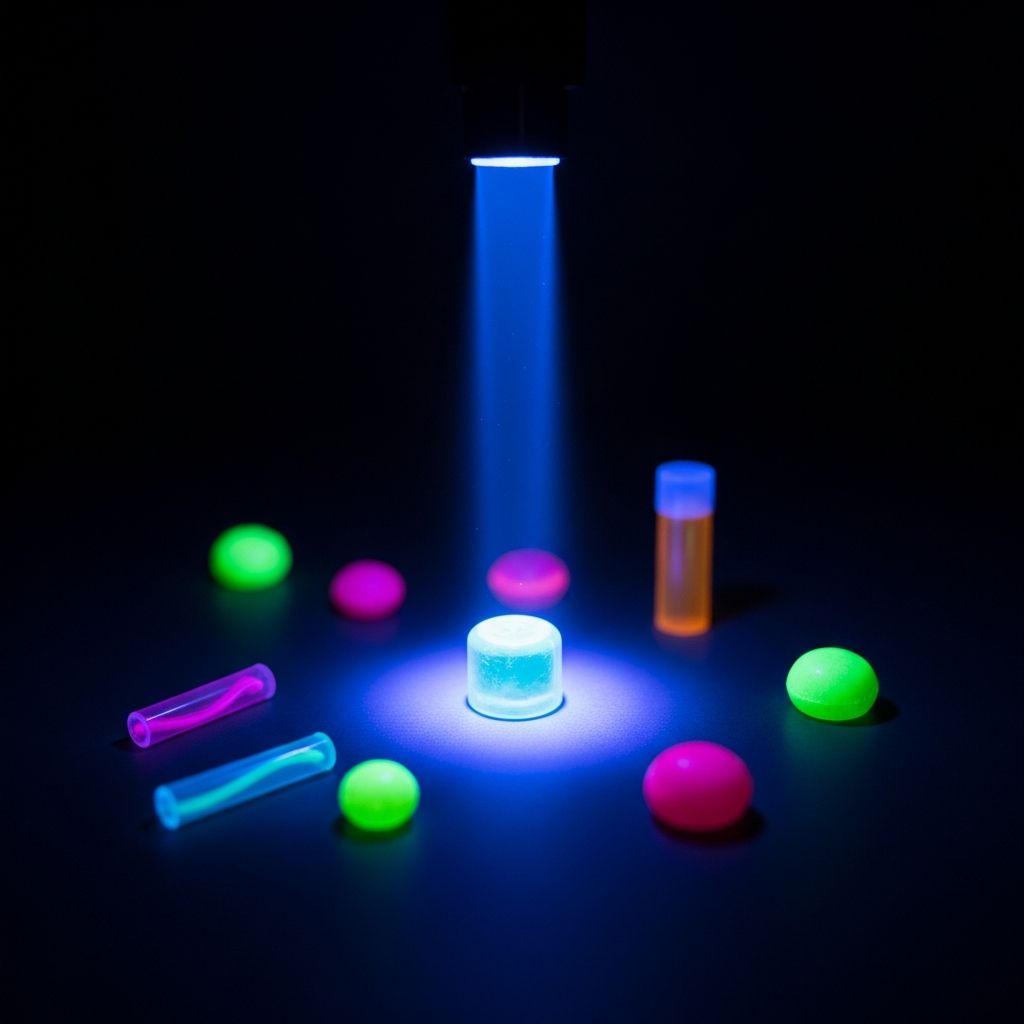
The Physics of Ultraviolet Illumination
When we think about light, most people imagine the colors we see every day—red, blue, yellow, and green. However, light extends far beyond what our human eyes can perceive. Beyond the violet end of the visible spectrum lies a range of energy called ultraviolet (UV) radiation. Unlike visible light, UV light has wavelengths that are too short for our eyes to detect directly, yet this invisible energy can trigger remarkable visual effects when it interacts with certain materials.
Ultraviolet light is classified into three distinct bands: UVA, UVB, and UVC, each with different wavelengths and energy levels. Black lights, as they are commonly known, emit ultraviolet radiation that causes certain substances to absorb this energy and re-emit it as visible light—a phenomenon known as fluorescence. The optimal wavelength for black light applications typically falls between 365 and 385 nanometers, though consumer-grade black lights often operate at different frequencies.
The key distinction between black light and regular illumination lies in its ability to reveal what is otherwise invisible. While a standard incandescent bulb simply reflects light off objects, a black light energizes the electrons within fluorescent materials, causing them to jump to a higher energy state. When these electrons return to their normal state, they release the absorbed energy as visible light, creating that distinctive glowing effect.
How Fluorescence Works at the Molecular Level
Fluorescence is not magic—it is pure physics. When UV photons strike a fluorescent material, they transfer their energy to electrons within the material’s molecular structure. This energy boost causes electrons to become excited and move to higher orbital levels. However, this excited state is unstable, and electrons naturally want to return to their ground state. As they drop back down, they release the excess energy in the form of visible light photons. This entire process happens almost instantaneously, which is why the glow appears continuous rather than flickering.
The color of the emitted light depends on the specific energy difference between the excited state and the ground state of the material’s electrons. Different materials have different molecular structures, so they release different wavelengths of visible light when exposed to UV radiation. This is why tonic water glows blue, turmeric appears yellow, and certain minerals emit red or green light.
It is important to distinguish fluorescence from phosphorescence, another luminous phenomenon. While fluorescence stops immediately when the UV source is removed, phosphorescence continues to emit light for an extended period after the energy source is gone. Glow-in-the-dark paints rely on phosphorescence, not fluorescence, which is why they continue glowing long after the lights go out.
Common Foods and Beverages That Fluoresce
Perhaps one of the most surprising discoveries about black light is how many everyday foods and drinks glow under UV illumination. These foods are not radioactive or dangerous—their fluorescent properties are simply the result of natural or added chemical compounds that absorb and emit light at specific wavelengths.
Beverages and Condiments
- Tonic Water: One of the most iconic glowing beverages, tonic water produces a striking bright blue fluorescence. The source of this glow is quinine, a bitter alkaloid compound historically used as an antimalarial medication. Today, quinine is primarily added to tonic water for its distinctive bitter taste. When exposed to black light, quinine absorbs UV energy and emits visible blue light, making tonic water a natural choice for demonstrating fluorescence at home.
- Turmeric and Curry: The golden spice turmeric contains curcumin, a polyphenolic compound responsible not only for its color but also for its fluorescent properties. When exposed to ultraviolet light, turmeric root powder and curry powder glow with a warm yellow or orange hue. This property has made turmeric popular for both scientific demonstrations and artistic applications.
- Honey: The aromatic molecules present in honey, particularly certain organic compounds, can emit green fluorescence under black light. This property varies depending on the honey’s origin and composition, as different floral sources contribute different compounds to the final product.
Proteins and Eggs
Eggs present a fascinating example of how natural compounds within food can exhibit fluorescent properties. A substance called protoporphyrin IX, found in eggshells, glows with a reddish hue when exposed to ultraviolet light. This compound is particularly concentrated in the pigmented areas of brown eggs.
Vitamins and Pharmaceutical Compounds
The vitamin industry has long relied on understanding fluorescence for quality control and research purposes. Several vitamins demonstrate strong fluorescent properties under ultraviolet light, making them useful for educational demonstrations and scientific investigations.
Vitamin B-12, also known as cyanocobalamin, produces one of the most dramatic fluorescent effects among water-soluble vitamins. When a B-12 tablet is crushed and dissolved in liquid, the resulting solution glows a vivid bright yellow under black light. Thiamine (Vitamin B-1), niacin (Vitamin B-3), and riboflavin (Vitamin B-2) are similarly fluorescent. Vitamin A also exhibits strong fluorescence, though it requires different conditions for optimal observation.
This fluorescent property of vitamins serves practical purposes beyond demonstration. Pharmaceutical companies use black light inspection as a quality control measure to verify the presence and purity of certain vitamins in supplements and medications. The intensity and color of the fluorescence can indicate concentration levels and potential contamination.
Minerals, Rocks, and Gemstones
Perhaps the most diverse collection of fluorescent materials comes from the mineral kingdom. Rocks and gemstones have captivated scientists and collectors for centuries, and their behavior under ultraviolet light adds another dimension to their appeal. Many minerals contain trace elements or structural impurities that cause fluorescence.
Fluorite, the mineral for which the phenomenon of fluorescence is actually named, displays remarkable glowing properties under black light. Calcite, gypsum, ruby, talc, opal, agate, and quartz all exhibit varying degrees of fluorescence. Amber, the fossilized resin prized by collectors, also glows under ultraviolet illumination. The specific color and intensity of the glow depend on the mineral’s composition and the presence of trace elements such as europium, manganese, or uranium.
Fossil collectors particularly appreciate this property, as black light can reveal details and structures in fossils that remain invisible under normal lighting. Paleontologists use UV light as a diagnostic tool to identify and study specimens.
Household Products and Personal Care Items
Beyond foods and minerals, numerous household items contain fluorescent compounds either by design or as incidental byproducts of manufacturing processes.
Cleaning and Whitening Agents
Laundry detergents and fabric whiteners contain optical brightening agents—fluorescent compounds designed to make clothes appear brighter and whiter under normal lighting. These agents absorb UV light from the sun and re-emit it as visible blue light, creating an optical illusion of increased brightness. This same property makes them fluoresce dramatically under black light, often producing a bright blue or white glow on treated fabrics and clothing.
Paper products, particularly white office paper and cardboard, frequently contain similar fluorescent whitening compounds added during manufacturing. When exposed to black light, these papers glow with an intense white or pale blue luminescence.
Writing and Art Supplies
Highlighter markers contain fluorescent dyes specifically formulated to stand out visually. These dyes produce brilliant glowing effects under black light, with yellow, pink, and green highlighters being particularly striking. This property has made highlighters popular for creating hidden messages that can only be revealed under ultraviolet light—a practice common in educational settings and treasure hunts.
Personal Care and Petroleum Products
Petroleum jelly, commonly known as Vaseline, exhibits a strong bluish-white fluorescence under black light. This property results from the hydrocarbons present in the petroleum-based product. Various other skincare products containing mineral oil or similar petroleum derivatives display similar glowing effects. Some sunscreen formulations and cosmetic products also fluoresce, though the intensity varies considerably depending on the specific ingredients.
Currency and Security Applications
Many countries incorporate fluorescent security features into their currency to prevent counterfeiting. UK banknotes, for example, feature denominations printed in fluorescent ink that glows with vibrant yellow and red hues when exposed to ultraviolet light. This technology serves as both an authentication measure for currency verification and a practical tool for sorting and identifying different denominations automatically.
Living Organisms That Fluoresce
The fluorescent phenomenon extends into the biological world in remarkable ways. Marine ecosystems contain numerous organisms that exhibit natural fluorescence, likely serving purposes related to communication, camouflage, or light absorption.
Jellyfish, corals, and sea anemones are among the most well-known fluorescent marine creatures. These organisms produce fluorescent proteins—compounds that have become invaluable to scientific research. The green fluorescent protein (GFP) from jellyfish, in particular, has revolutionized biological imaging and has been central to numerous Nobel Prize-winning discoveries in medicine and chemistry.
Certain fish species used in the aquarium trade have been genetically engineered to enhance their natural fluorescence, creating the popular GloFish that appeal to UV-lit aquarium enthusiasts. Scorpions present another intriguing example, as most species fluoresce a bright blue-green color under ultraviolet light. Scientists continue investigating whether this fluorescence serves an evolutionary or biological purpose.
Antiques and Art Authentication
Museum conservators and art experts frequently employ black light as a diagnostic tool for examining older artifacts and artwork. Antiques that have undergone repairs or restoration work often show different fluorescence patterns in the repaired areas compared to original material. This technique helps identify which portions of an object are original and which have been replaced or touched up over time. Paintings that have received new varnish or restoration also display altered fluorescence, providing evidence of the work performed.
Choosing the Right Black Light Equipment
The quality of results achieved with black light depends significantly on the wavelength of ultraviolet light emitted. While many commercial black lights appear to emit a visible purple glow, true black light should produce minimal visible light. If you can see a purple glow, the device is emitting visible light along with UV radiation, which reduces the intensity of the fluorescent effect. The ideal wavelength for black light applications falls between 365 and 385 nanometers.
LEDs capable of emitting light in this optimal wavelength range are considerably more expensive to manufacture than LEDs designed for other wavelengths. Consumer-grade black lights often compromise on this specification to reduce cost, which explains why many commercial black lights produce visible purple light.
Frequently Asked Questions
Q: Is black light dangerous to humans?
A: Black light in the UVA range (365-385nm) used in consumer products is generally considered safe for brief exposure. However, prolonged exposure to any ultraviolet light can potentially cause skin damage and eye irritation. Always follow manufacturer guidelines and avoid staring directly into black light sources.
Q: Why do white clothes glow purple under black light?
A: White clothes glow because manufacturers add optical brightening agents to detergents and fabrics during production. These fluorescent compounds absorb UV light and emit visible blue light, which combines with the visible purple light from the black light source to create the purple glow effect.
Q: Can I use black light to detect counterfeit currency?
A: Yes, many countries incorporate fluorescent security features into legitimate currency. Counterfeit bills often lack these features or display incorrect fluorescent patterns. Black light can be a useful tool for currency verification, though it should be used alongside other security verification methods.
Q: What is the difference between fluorescence and phosphorescence?
A: Fluorescence stops immediately when the UV light source is removed, while phosphorescence continues to emit light for a period of time afterward. Glow-in-the-dark materials use phosphorescence, not fluorescence.
Q: Why does tonic water glow blue specifically?
A: Tonic water contains quinine, an alkaloid compound that absorbs ultraviolet light at specific wavelengths and re-emits it as blue visible light. The blue color is determined by the molecular structure of quinine and the energy difference between its excited and ground states.
Q: Can I make my own black light experiments at home?
A: Yes, many household items glow under black light without any special preparation. Pour tonic water into a glass, crush vitamin B-12 tablets, or sprinkle turmeric powder to observe fluorescence. A reasonably priced UV flashlight or black light bulb can enable these demonstrations.
References
- What is Ultraviolet Light? — Physical Properties and Wavelengths — U.S. Environmental Protection Agency (EPA). 2024. https://www.epa.gov/sunsafety/uv-radiation
- Fluorescence and Phosphorescence in Materials Science — International Union of Pure and Applied Chemistry (IUPAC). 2023. https://www.iupac.org
- Green Fluorescent Protein Discovery and Application in Biological Research — Nobel Prize Official Database. 2008. https://www.nobelprize.org/prizes/chemistry/2008/
- Quinine: Chemical Properties and Historical Medical Applications — U.S. National Library of Medicine, PubChem. 2024. https://pubchem.ncbi.nlm.nih.gov/compound/3424
- Curcumin: Molecular Structure and Fluorescent Properties — Journal of Medicinal Chemistry, American Chemical Society. 2022. https://pubs.acs.org/journal/jmcmar
- Currency Security Features: Fluorescent Inks and Counterfeit Detection — Bank of England, Currency Authentication Guide. 2023. https://www.bankofengland.co.uk
- Marine Bioluminescence and Fluorescence in Coral Reef Ecosystems — Smithsonian Institution, National Museum of Natural History. 2024. https://www.si.edu

Medha Deb is an editor with a master's degree in Applied Linguistics from the University of Hyderabad. She believes that her qualification has helped her develop a deep understanding of language and its application in various contexts. Medha specializes in the areas of beauty, health, sports, and wellness and is committed to ensuring that the content on the website is…