
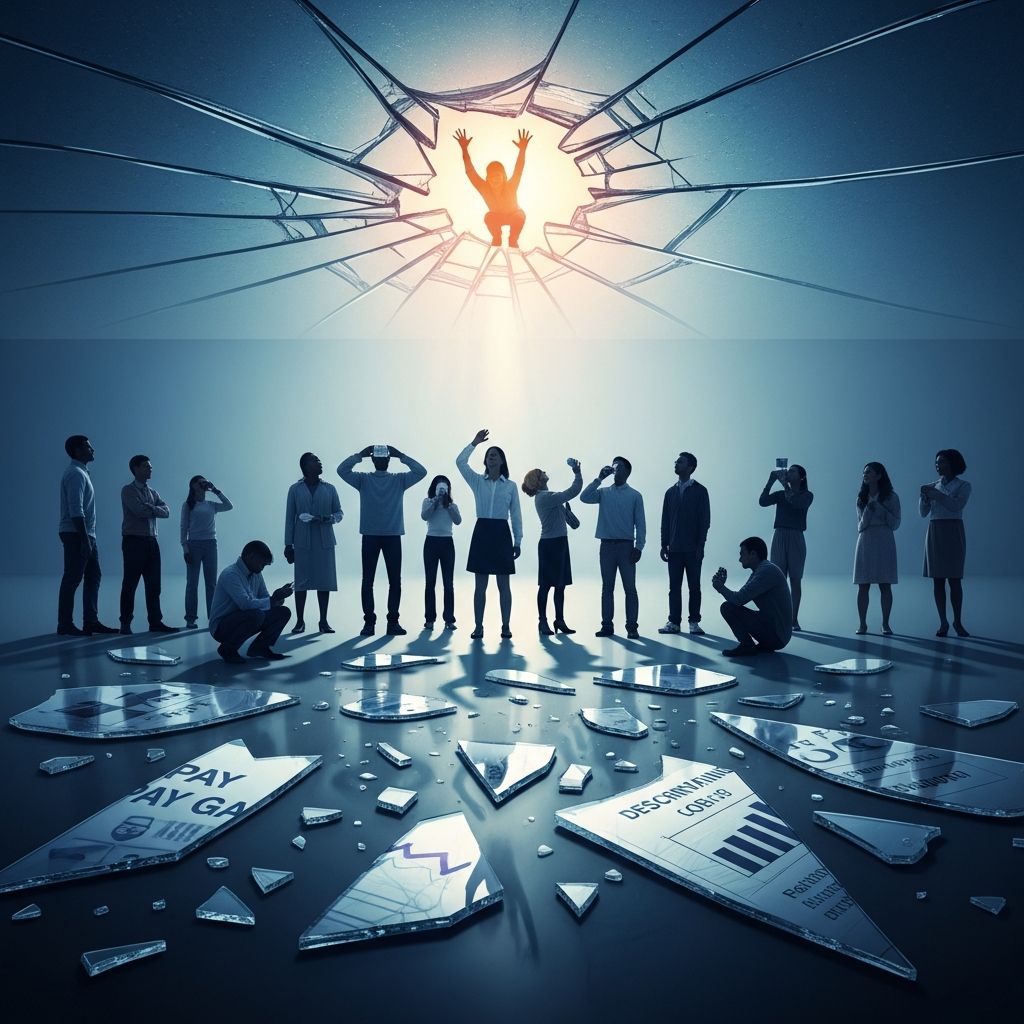
Sexism represents a pervasive form of prejudice and discrimination rooted in beliefs about gender superiority, primarily affecting women but also impacting men, non-binary individuals, and others based on rigid gender norms.
Defining Sexism in Modern Contexts
At its core, sexism involves attitudes, behaviors, or systems that devalue or discriminate against individuals based on their perceived sex or gender. Dictionaries like Merriam-Webster describe it as prejudice or discrimination based on sex, with a particular emphasis on discrimination against women. This extends beyond overt hostility to include subtle biases that reinforce stereotypes about social roles tied to biological sex.
Psychologists have refined this understanding, noting that sexism encompasses negative attitudes and values toward women as a group. It often manifests as an ideology positing one gender—typically men—as inherently superior, limiting opportunities and enforcing traditional roles. Importantly, while women and girls bear the brunt, sexism constrains everyone by upholding rigid expectations.
Historical Roots and Evolution of Gender Bias
The term ‘sexism’ gained prominence during the second-wave feminism of the 1960s and 1970s, modeled after ‘racism’ to highlight gender-based oppression. It emerged as activists sought to raise awareness about systemic inequalities, drawing parallels to civil rights struggles.
Over time, definitions expanded. Early formulations focused on women’s oppression, but contemporary views include biases against men, boys, intersex, and transgender people when they deviate from norms. Feminist thinkers like bell hooks framed it as a system of oppression disadvantaging women, while others like Kate Manne distinguish it from misogyny—sexism justifies patriarchal norms, whereas misogyny enforces them.
Core Types of Sexism: A Breakdown
Sexism is not monolithic; it appears in distinct forms, each with unique characteristics and effects. Understanding these helps in identifying and addressing it effectively.
- Hostile Sexism: This overt variant views women as seeking to control men through manipulation or as threats to male dominance. It punishes non-conformity to gender roles, often through derogatory comments or violence.
- Benevolent Sexism: Seemingly positive, it idealizes women in traditional roles like caregivers, portraying them as pure or morally superior but incompetent in other areas. This ‘benevolence’ restricts autonomy under the guise of protection.
- Ambivalent Sexism: Coined by Peter Glick and Susan Fiske, this combines hostile and benevolent elements, where stereotypes are compartmentalized—women are both inferior and in need of male guidance.
Institutional sexism embeds these biases into societal structures, such as unequal pay, hiring practices, or media portrayals that perpetuate stereotypes.
How Sexism Manifests in Daily Life
Sexism permeates everyday interactions, often subtly. Interpersonal examples include dismissing women’s ideas in meetings, victim-blaming in assault cases, or enforcing ‘ladylike’ behavior. In education, curricula may reinforce gender roles, limiting girls’ access to STEM or boys’ emotional expression.
Workplace manifestations are stark: women face barriers in male-dominated fields, with belittling comments or assumptions of incompetence. Media contributes by upholding beauty standards that objectify women, while sports coverage often minimizes female achievements.
| Context | Common Sexist Practices | Impact |
|---|---|---|
| Workplace | Pay gaps, promotion biases | Economic disadvantage for women |
| Education | Gendered tracking, toy stereotypes | Limited career choices |
| Media | Objectification, underrepresentation | Internalized low self-worth |
| Healthcare | Dismissal of women’s pain | Poorer health outcomes |
The Broader Societal and Psychological Toll
Sexism’s consequences ripple through society, fostering violence like sexual harassment and rape when extreme ideologies prevail. It sustains patriarchy, where male dominance is normalized through economic and social means.
On a personal level, internalized sexism leads individuals to self-limit, such as women avoiding ambition due to competence doubts or conforming to harmful beauty ideals. Men suffer too, pressured into stoicism that discourages mental health help-seeking.
Economically, gender biases cost societies trillions; the World Bank estimates closing gaps could boost GDP significantly, though specific figures vary by region.
Sexism Across Cultures and Intersections
While global, sexism adapts to cultural contexts. In some societies, it enforces honor killings or female genital mutilation; elsewhere, it appears in ‘glass ceilings.’ Intersectionality amplifies it—women of color face compounded discrimination.
UN initiatives highlight how sexist education norms restrict all genders, advocating transformative approaches to challenge biases.
Strategies to Combat and Overcome Sexism
Dismantling sexism requires multifaceted efforts. Education is key: gender-transformative curricula can uproot biases early.
- Promote awareness through bystander intervention training.
- Enforce policies like equal pay audits and diverse hiring.
- Challenge media stereotypes via inclusive representation.
- Encourage allyship—men calling out biases amplifies change.
Individuals can self-reflect: question assumptions, amplify marginalized voices, and reject benevolent ‘compliments’ that undermine.
Measuring Progress: Data and Trends
Global indices like the Gender Inequality Index show slow but uneven progress. Nordic countries lead due to policies addressing institutional sexism, while others lag. CDC notes sexism intersects with heterosexism, compounding harms.
Recent studies emphasize unconscious bias training’s limits; systemic reform yields better results.
Frequently Asked Questions (FAQs)
What is the difference between sexism and misogyny?
Sexism justifies gender hierarchies, while misogyny actively polices them through hatred or punishment.
Can men experience sexism?
Yes, particularly when defying norms like emotional expression or caregiving roles.
How does benevolent sexism harm society?
It traps women in limiting roles under ‘positive’ guises, perpetuating inequality.
What role does education play in fighting sexism?
It challenges stereotypes through inclusive curricula, fostering equality.
Is sexism declining globally?
Progress varies; institutional changes help, but cultural biases persist.
Building a Sexism-Free Future
Eradicating sexism demands collective action—from policy to personal habits. By recognizing its forms and impacts, societies can foster equity, unlocking potential for all genders.
References
- Sexism – Wikipedia — Wikipedia contributors. 2023-10-01. https://en.wikipedia.org/wiki/Sexism
- Sexism – Gender Transformative Education Glossary — UNGEI. 2023. https://www.ungei.org/gender-transformative-education-glossary/gender/sexism
- SEXISM Definition & Meaning — Merriam-Webster. 2023-09-15. https://www.merriam-webster.com/dictionary/sexism
- Sexism | Definition, Types, Examples, & Facts — Britannica. 2023-11-20. https://www.britannica.com/topic/sexism
- Sexism Definition, Types & Examples — Study.com. 2023. https://study.com/learn/lesson/video/sexism-overview-types-examples.html
- What Is Sexism: Types, Causes, Impact, Tips to Cope — Healthline. 2023-08-10. https://www.healthline.com/health/what-is-sexism
- What is sexism? — European Institute for Gender Equality (EIGE). 2023. https://eige.europa.eu/publications-resources/toolkits-guides/sexism-at-work-handbook/part-1-understand/what-sexism?language_content_entity=en

- Integrated M.A. in Applied Linguistics, University of Hyderabad
- 5+ years in editorial, instructional, SEO, and research-based writing
Sneha is a relationships and lifestyle writer with a strong foundation in applied linguistics and certified training in relationship coaching. She brings over five years of writing experience to theskillvault, crafting thoughtful, research-driven content that empowers readers to build healthier relationships, boost emotional well-being, and embrace holistic living. Her writing and insights reflect the belief that beauty, happiness, and wellness…