
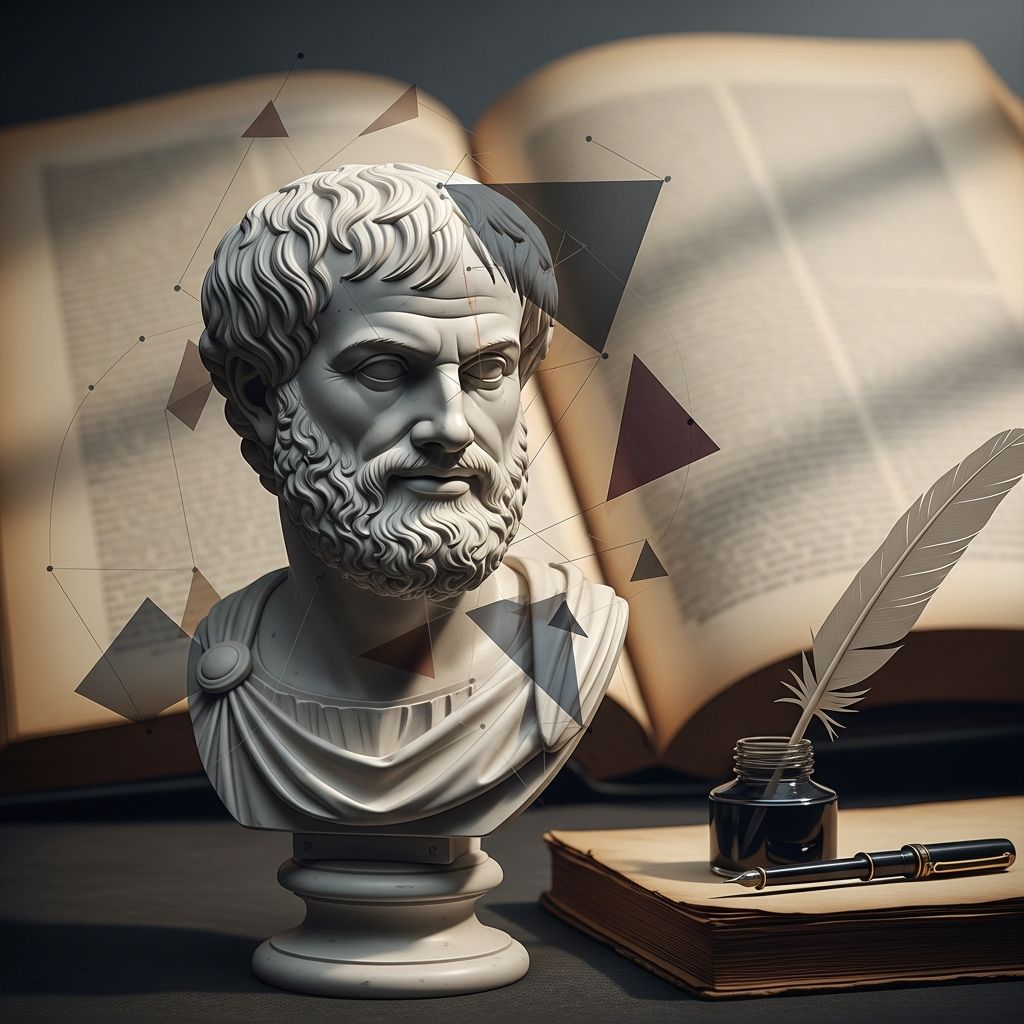
Aristotle’s framework of artistic proofs revolutionized how we understand persuasion, offering tools that remain essential for effective communication today. These proofs—ethos, pathos, and logos—empower speakers and writers to create arguments from within their own ingenuity, setting them apart from mere external evidence.
Foundations of Persuasion: Artistic vs. Inartistic Proofs
Persuasion in rhetoric relies on two categories of proofs: artistic and inartistic. Artistic proofs are those crafted by the rhetorician through skill and invention, demanding creativity and strategic thinking. In contrast, inartistic proofs exist independently, requiring only presentation rather than creation.
This distinction underscores rhetoric as an art or techne, where the speaker transforms raw materials into compelling narratives. For instance, a lawyer might use a witness testimony (inartistic) but weave it into a logical narrative (artistic) to sway the jury.
- Artistic Proofs: Invented by the speaker—logos, pathos, ethos.
- Inartistic Proofs: Pre-existing elements like laws, contracts, witnesses, oaths, or modern equivalents such as data reports and videos.
Understanding this divide is crucial because artistic proofs form the core of rhetorical mastery, turning facts into influence.
Ethos: Building Credibility and Trust
Ethos, the appeal to character, convinces audiences through the speaker’s perceived integrity, expertise, and goodwill. Aristotle emphasized that audiences are most persuaded by those they trust, viewing the speaker as virtuous and benevolent.
To establish ethos, demonstrate knowledge of the subject, show fairness, and convey empathy. In practice, a doctor advocating for a health policy might highlight years of research and patient care success stories to build this appeal.
| Ethos Elements | Description | Examples |
|---|---|---|
| Expertise | Proven knowledge and experience | Citing credentials, publications |
| Goodwill | Concern for audience’s interests | Addressing counterarguments fairly |
| Virtue | Moral uprightness | Consistent ethical behavior |
Ethos often proves the most potent proof, as trust overrides even strong logic if absent. In today’s world, social media profiles and endorsements serve as modern ethos builders.
Pathos: Stirring Emotions for Impact
Pathos taps into the audience’s emotions, placing them in a mindset receptive to the message. Aristotle described it as manipulating feelings like anger, pity, or joy to align with the argument’s goals.
Effective pathos uses vivid language, stories, and imagery. Consider charity ads showing suffering children—they evoke compassion, prompting donations far beyond logical appeals alone.
- Identify audience emotions: Fear for urgency, joy for positivity.
- Use metaphors and anecdotes: Personal tales humanize abstract ideas.
- Balance intensity: Overdone pathos risks manipulation accusations.
In political speeches, leaders invoke national pride (pathos) alongside policy details, amplifying resonance.
Logos: The Power of Logical Reasoning
Logos appeals through reason, using evidence, structure, and deduction to prove claims. It encompasses definitions, comparisons, cause-effect relationships, and testimonies woven into coherent arguments.
Aristotle outlined tools like syllogisms—deductive reasoning where premises lead to conclusions—and enthymemes, informal versions relying on shared audience knowledge. For example: “All humans need water; you are human; thus, you need water” (syllogism simplified).
| Logos Type | Key Features | Application |
|---|---|---|
| Induction | Generalizing from examples | Survey data supporting trends |
| Deduction | Major/minor premise to conclusion | Legal arguments from laws |
| Enthymeme | Rhetorical syllogism | “Exercise prevents disease, so start now” |
Logos grounds persuasion in intellect, countering emotional sway with irrefutable structure.
Integrating the Proofs: The Rhetorical Triangle
The artistic proofs form a triangle: ethos at the apex for trust, pathos for engagement, logos for validation. Balance is key—over-relying on one weakens the whole.
In Martin Luther King Jr.’s “I Have a Dream,” ethos from his moral authority, pathos via vivid injustice imagery, and logos through constitutional references create timeless power.
Modern applications span advertising (emotional hooks with logical benefits), debates, and business pitches. Practice involves audience analysis: What builds trust? What emotions stir them? What logic convinces?
Historical Context: Aristotle’s Revolution
Aristotle developed these proofs amid Sophist relativism and Plato’s rhetoric skepticism. By systematizing persuasion in Rhetoric, he elevated it to a teachable art, responding to critics by focusing on ethical use.
His work influenced Roman orators like Cicero and endures in education, law, and media. Today, amid misinformation, these proofs guide ethical discourse.
Practical Strategies for Modern Persuaders
To wield artistic proofs:
- Assess Audience: Tailor ethos to their values, pathos to triggers, logos to knowledge level.
- Layer Proofs: Start with ethos, evoke pathos, seal with logos.
- Incorporate Inartistic: Use data/videos as logos fuel, not standalone.
- Practice Deliberately: Analyze speeches; rewrite arguments emphasizing one proof.
In digital eras, visuals enhance pathos (memes), endorsements boost ethos (influencers), stats drive logos (infographics).
Frequently Asked Questions (FAQs)
What are artistic proofs in simple terms?
Artistic proofs are persuasion tools (ethos, pathos, logos) created by the speaker, unlike inartistic proofs like facts or witnesses.
How does ethos differ from logos?
Ethos builds speaker credibility through character; logos convinces via pure logic and evidence.
Can pathos be overused?
Yes, excessive emotion without logic or trust appears manipulative, undermining persuasion.
Are these proofs relevant today?
Absolutely—they underpin TED Talks, campaigns, and negotiations worldwide.
How do I balance the three proofs?
Use the rhetorical triangle: Equal weight adapted to context for holistic appeal.
Challenges and Ethical Considerations
While powerful, artistic proofs demand ethics. Misused pathos spreads fearmongering; fabricated ethos erodes trust; flawed logos misleads. Aristotle advocated truth-seeking rhetoric, a principle vital against fake news.
Train via debate clubs, writing workshops. Study failures: Nixon’s 1960 debate loss partly from weak visual ethos.
In conclusion, mastering artistic proofs equips anyone to persuade responsibly, fostering informed societies.
References
- Aristotle’s Three Artistic Proofs Explained — Scribd User Upload. 2018-05-15. https://www.scribd.com/document/349336568/artistic-proofs-docx
- Discovering the Arguments: Artistic and Inartistic Proofs — Classical Writing Blog. 2010-01-12. https://www.classicalwriting.com/blog/2010/01/12/discovering-the-arguments-artistic-and-inartistic-proofs/
- Definition of Artistic and Nonartistic Appeals — University of North Florida Digital Commons. N/A. https://digitalcommons.unf.edu/cgi/viewcontent.cgi?article=1635&context=saffy_text
- Aristotle’s Rhetorical Proofs & the Rhetorical Triangle — YouTube (Video Transcript). N/A. https://www.youtube.com/watch?v=B–HbP6liNg
- How Artistic Proof is Used to Influence People — Argumentful. N/A. https://argumentful.com/how-artistic-proof-is-used-to-influence-people/
- The Artistic Proofs — Spokane Falls Community College. N/A. https://apps.spokane.edu/InternetContent/AutoWebs/larrym/101%20Webpages/The%20Artistic%20Proofs.htm
- Aristotle’s Appeals: Incorporating Ethos, Pathos, Logos — George Mason University Writing & Rhetoric. N/A. https://writingandrhetoric.gmu.edu/articles/15286

Medha Deb is an editor with a master's degree in Applied Linguistics from the University of Hyderabad. She believes that her qualification has helped her develop a deep understanding of language and its application in various contexts. Medha specializes in the areas of beauty, health, sports, and wellness and is committed to ensuring that the content on the website is…