
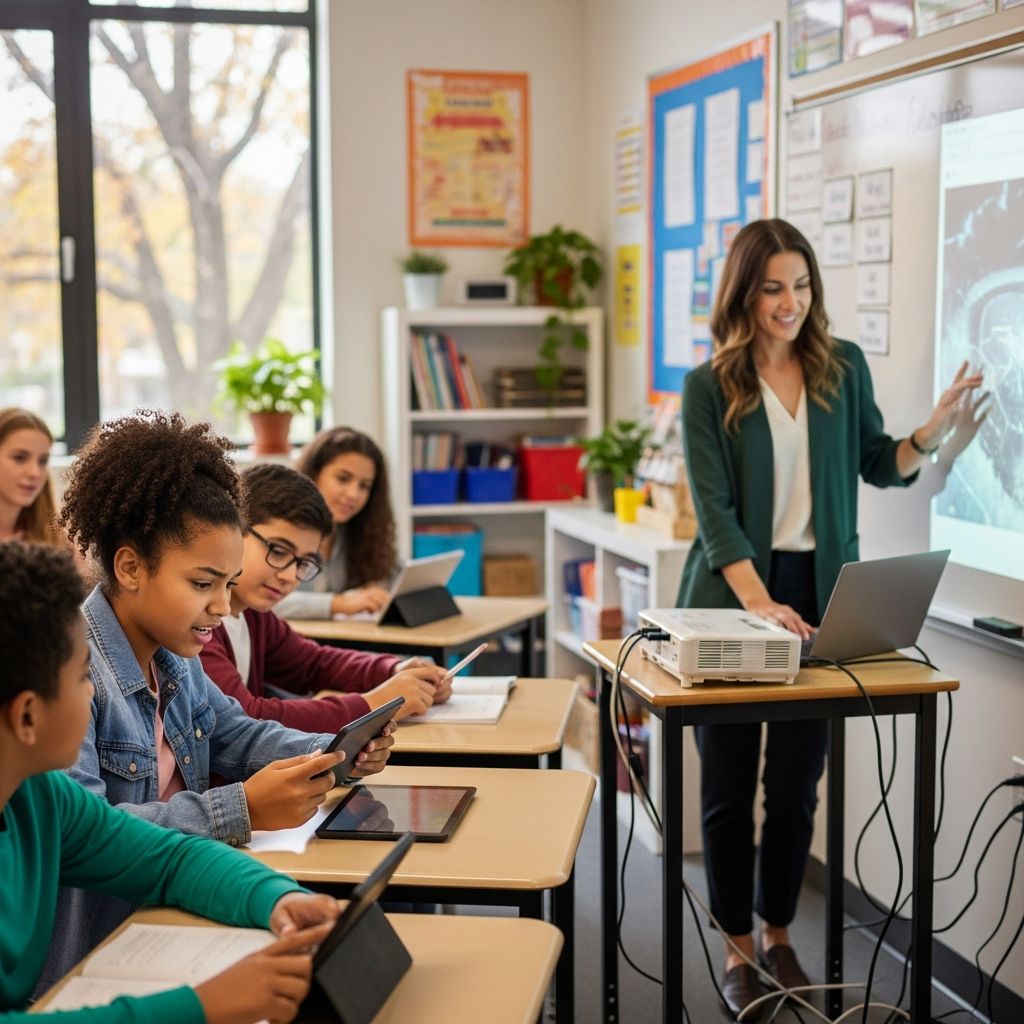
Technology has become integral to modern education, powering interactive lessons, digital resources, and collaborative tools. However, when devices crash, internet connections falter, or software glitches occur, classrooms can grind to a halt. These disruptions test teachers’ adaptability and highlight the need for robust contingency plans. This article explores proactive measures, real-time solutions, and long-term strategies to turn tech failures into opportunities for deeper learning.
Why Technology Fails and How It Impacts Learning
Tech issues in schools stem from outdated hardware, network restrictions, software incompatibilities, and human error. For instance, interactive displays may lose calibration, projectors fail due to burnt-out bulbs, or district-wide filters block essential websites. These problems not only interrupt lessons but also erode teacher confidence and student engagement. When tools promised to enhance instruction become liabilities, educators must prioritize core learning objectives over digital dependency.
Research shows that over-reliance on technology without backups leads to wasted class time and frustration. A study by the National Education Association emphasizes preparing redundant systems to mitigate such risks. Understanding these failure points allows teachers to anticipate and counteract them effectively.
Building a Resilient Lesson Framework
A strong lesson plan incorporates flexibility from the start. Begin by identifying the primary learning goal—such as mastering a math concept or analyzing literature—independent of any specific tool. Technology should serve this goal, not define it.
- Prioritize task over tool: Ensure students grasp the underlying skill, like problem-solving or critical reading, which transfers across mediums.
- Test in advance: Simulate the lesson on student devices to catch discrepancies between teacher and learner views.
- Incorporate buffers: Allocate 10-15% extra time for potential hiccups.
This framework shifts focus from flawless execution to meaningful outcomes, reducing panic during failures.
Essential Preparation Tactics Before Class
Proactive preparation is the cornerstone of tech resilience. Maintain updated backups of all materials on multiple platforms: cloud storage, USB drives, and printed handouts.
| Preparation Step | Action Items | Benefits |
|---|---|---|
| Device Checks | Charge batteries, update software, test connections | Prevents mid-lesson dead batteries or crashes |
| Backup Resources | Print key slides, save offline versions of videos | Allows seamless switch to low-tech mode |
| Network Alternatives | Personal hotspots, offline apps | Bypasses school Wi-Fi blocks or outages |
| Student Previews | Share links early for home testing | Identifies access issues beforehand |
These steps, drawn from educator experiences, ensure continuity even when primary systems fail.
Immediate Responses to Common Tech Disruptions
When failure strikes, swift action preserves momentum. Categorize issues by type for targeted fixes:
- Internet Outages: Switch to personal hotspots or offline materials. Pre-download resources to avoid dependency.
- Device Malfunctions: Have spare laptops or tablets ready; redistribute group work to functional units.
- Software Crashes: Revert to paper-based activities or demonstrate manually on a whiteboard.
- Projection Failures: Use printed visuals or student-shared screens via quick peer-to-peer sharing.
For example, if a video won’t load, narrate its content from memory or pivot to a discussion-based analysis. These pivots not only salvage the lesson but also model adaptability for students.
Addressing Off-Task Behavior During Tech Use
Tech failures often coincide with distractions, as students veer into non-educational apps. Clear protocols prevent this:
- Establish device angles (e.g., 45 degrees for monitoring) or lid-closing rules for suspected misuse.
- Implement swift consequences, like assigning lengthy print alternatives, deterring the class through visible accountability.
- Teach digital citizenship explicitly, framing devices as learning tools with privileges that can be revoked.
Balancing access with oversight builds self-regulation, turning potential chaos into disciplined tech integration.
Leveraging Failures for Deeper Educational Gains
View glitches as teachable moments. When a tool errs—such as AI providing incorrect data—dissect why: “What assumptions did it miss?” This fosters critical thinking and task literacy over tool dependency.
Encourage fallback skills: manual calculations when calculators fail, or map-reading sans GPS. These exercises reinforce enduring competencies. Educators report that such incidents humble both teachers and students, promoting a learner’s mindset.
Long-Term Strategies for Tech-Savvy Classrooms
Beyond immediate fixes, cultivate a culture of resilience:
- Professional Development: Train on multiple tools to avoid over-reliance on one.
- Hybrid Lesson Design: Blend digital and analog elements inherently.
- Student Involvement: Assign tech troubleshooting roles to build collective problem-solving.
- Feedback Loops: Post-lesson debriefs refine future plans.
Schools investing in these approaches see reduced downtime and heightened student agency.
Case Studies: Real-World Tech Recovery Successes
Consider a science class where the simulation app crashed mid-experiment. The teacher distributed graph paper for manual plotting, leading to richer discussions on data interpretation than the app allowed. In another instance, a blocked video prompted live demonstrations, enhancing retention through kinesthetic learning. These examples illustrate how failures can elevate instruction.
Frequently Asked Questions (FAQs)
What should I do if the projector bulb burns out during a presentation?
Switch to printed handouts or whiteboard sketches immediately. Have spares ordered in advance for future classes.
How can I prevent students from going off-task on devices?
Use monitoring angles, quick privilege removal, and alternative assignments to maintain focus.
Is it okay to go fully low-tech for a lesson?
Yes, when it serves the learning goal better. Prioritize understanding over tech novelty.
What backups are essential for virtual classes?
Offline files, hotspots, and pre-recorded segments ensure adaptability.
How do I recover from a full lesson plan wipeout?
Improvise with group discussions or peer teaching centered on key objectives.
Future-Proofing Education Against Tech Uncertainties
As edtech evolves, so must preparation. Emphasize task literacy—reasoning skills independent of tools—alongside digital proficiency. By embedding flexibility, educators not only survive glitches but thrive, preparing students for a world where technology is powerful yet fallible.
References
- Technology FAIL: Embracing tech when it doesn’t work — Truth for Teachers. 2012-02-06. https://truthforteachers.com/technology-fail-embracing-tech-when-it-doesnt-work/
- 5 Tech Integration Mistakes—and What to Do Differently Next Time — Edutopia. N/A. https://www.edutopia.org/article/5-tech-integration-fails-school-how-avoid/
- When Technology Fails: 5 Strategies For Educators To Help Build Task Understanding — TechLearning. N/A. https://www.techlearning.com/news/when-technology-fails-5-strategies-for-educators-to-help-build-task-understanding
- Try This: What to do When Technology Fails — National Education Association (NEA). 2024-08-01. https://www.nea.org/professional-excellence/student-engagement/tools-tips/try-what-do-when-technology-fails
- A Plan B for Your Plan B: What to Do When Your Tech Fails — University of Denver Office of Technology & eLearning. N/A. https://otl.du.edu/a-plan-b-for-your-plan-b-what-to-do-when-your-tech-fail/
- When Your Technology Fails: 6 Tips for Calm Solutions — Beyond BookSmart. N/A. https://www.beyondbooksmart.com/executive-functioning-strategies-blog/when-your-technology-fails-6-tips-for-calm-solutions

- Integrated M.A. in Applied Linguistics, University of Hyderabad
- 5+ years in editorial, instructional, SEO, and research-based writing
Sneha is a relationships and lifestyle writer with a strong foundation in applied linguistics and certified training in relationship coaching. She brings over five years of writing experience to theskillvault, crafting thoughtful, research-driven content that empowers readers to build healthier relationships, boost emotional well-being, and embrace holistic living. Her writing and insights reflect the belief that beauty, happiness, and wellness…