
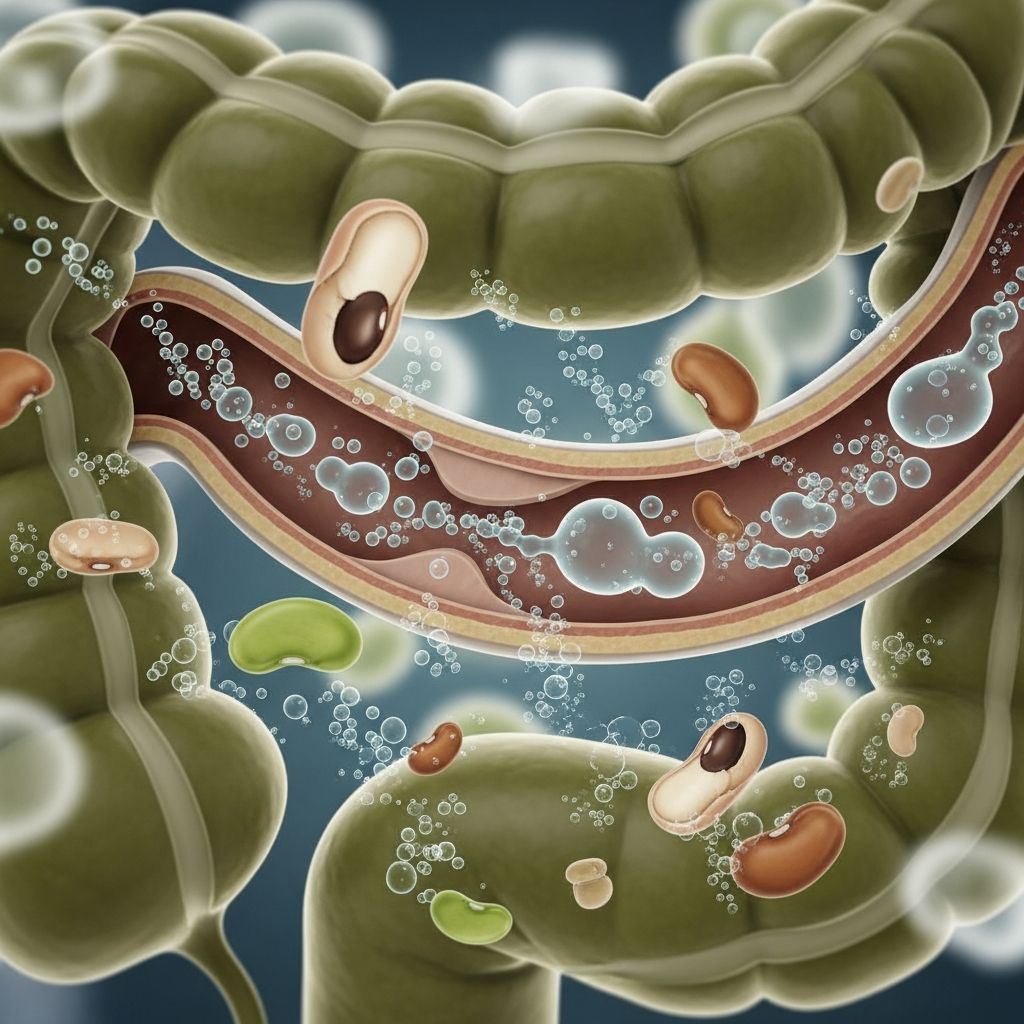
The Science Behind Bean-Induced Flatulence
Beans have earned a well-deserved reputation for causing digestive discomfort, yet their nutritional value makes them an essential component of healthy eating patterns. The phenomenon of increased gas production after consuming legumes is not merely anecdotal—it has solid biochemical foundations. Understanding the mechanisms behind this reaction requires examining the specific compounds beans contain and how the human digestive system processes them.
When you consume beans, your body encounters food components that differ fundamentally from other plant-based proteins and carbohydrates. Unlike simple carbohydrates that your digestive system can rapidly break down, beans contain complex structures that resist enzymatic degradation in the upper portions of your digestive tract. This resistance creates a cascade of events that ultimately leads to gas production and the characteristic bloating and flatulence associated with bean consumption.
Complex Carbohydrates and Intestinal Processing
Beans are nutrient-dense foods containing various types of carbohydrates, with some being more problematic than others for digestion. The primary culprits belong to a category called oligosaccharides, which are chains of three to ten sugar molecules linked together. These specific carbohydrates possess a critical characteristic: your body lacks the necessary enzymes to break them down efficiently in the stomach or small intestine.
When oligosaccharides pass through your small intestine undigested, they eventually reach your colon intact. This journey through your digestive system matters because the colon harbors billions of bacteria—collectively known as your gut microbiota—that possess the metabolic capacity to ferment these resistant carbohydrates. While this bacterial activity is beneficial for overall gut health, it simultaneously produces multiple gaseous byproducts.
Specific Oligosaccharides in Beans
Within the broader category of oligosaccharides, beans contain particularly problematic compounds belonging to what researchers call the raffinose family oligosaccharides (RFOs). This group includes two primary carbohydrates: raffinose and stachyose. Both molecules resist human digestive enzymes, meaning your body cannot process them through conventional digestion. Instead, these carbohydrates remain relatively unchanged as they transit through your gastrointestinal tract toward the colon.
The raffinose family oligosaccharides are especially abundant in legumes compared to other plant foods. This concentration explains why beans cause more pronounced gas production than many other high-fiber foods. When your colonic bacteria encounter these RFOs, they initiate fermentation processes that generate significant quantities of gases.
Bacterial Fermentation and Gas Production
The colonization of your colon by trillions of microorganisms represents a symbiotic relationship that generally benefits your health. These bacteria require nourishment, and they obtain it by fermenting carbohydrates that escape digestion in your upper gastrointestinal tract. When your bacteria ferment oligosaccharides and other resistant carbohydrates from beans, they produce multiple gases as metabolic byproducts.
The primary gases generated during this bacterial fermentation include hydrogen, methane, and carbon dioxide. These gases accumulate within your colon and must eventually exit your body, either through reabsorption into your bloodstream or through expulsion as flatulence. The volume and composition of gases produced varies based on factors including the amount of beans consumed, individual bacterial composition, and your existing gut microbiota diversity.
The Role of Soluble Fiber
Beyond oligosaccharides, beans contain substantial quantities of soluble fiber—a type of plant material that dissolves into a gel-like substance within your digestive system. This soluble fiber, like oligosaccharides, also reaches your colon relatively intact and undergoes bacterial fermentation. The combination of oligosaccharides and soluble fiber creates an environment rich in fermentable substrates for your colonic bacteria.
Consuming beans typically provides 6 to 8 grams of fiber per half-cup serving, representing a concentrated source of these difficult-to-digest compounds. When you suddenly increase your bean consumption significantly, your gut bacteria encounter an abundance of new food sources. This sudden increase in fermentable material triggers accelerated bacterial metabolism and proportionally increased gas production.
Individual Variation in Symptom Severity
Not everyone experiences the same degree of flatulence and bloating after consuming beans. Individual responses to bean consumption vary considerably based on multiple interconnected factors. Understanding this variation helps explain why some people tolerate beans well while others experience pronounced discomfort.
Factors Influencing Gas Production
- Existing gut microbiota composition: The specific bacterial species and their proportions in your colon influence how efficiently they ferment bean carbohydrates and the volume of gases they produce.
- Adaptation period: Your microbiota requires time to develop populations of bacteria optimized for fermenting oligosaccharides, meaning initial consumption causes more gas than eventual regular consumption.
- Consumption quantity: Gradual introduction of beans allows your digestive system to acclimate, while sudden large quantities overwhelm your bacterial communities.
- Bean variety: Different legume species contain varying concentrations of problematic oligosaccharides, leading to differential gas production.
- Overall diet composition: Diets already rich in fiber mean less dramatic changes when beans are introduced compared to restrictive diets.
- Digestive tract health: Conditions affecting intestinal function or bacterial balance may amplify gas-related symptoms.
The Habituation Process and Long-Term Tolerance
One encouraging finding from digestive research involves habituation—the body’s remarkable capacity to adapt to regular bean consumption. Scientific studies tracking individuals who consumed legumes consistently revealed a fascinating pattern: initial gas production decreased substantially over time.
In one notable research study, healthy adults consumed either legumes or control vegetables daily for 8 to 12 weeks. Approximately half the participants initially reported increased gas production during the first weeks of legume consumption. However, after eight weeks of consistent consumption at approximately half-cup daily portions, these same individuals returned to baseline gas levels indistinguishable from their pre-legume consumption.
This adaptation occurs because your gut bacteria gradually develop bacterial populations specialized in efficiently fermenting the oligosaccharides and fibers present in beans. As these populations expand and mature, they process these carbohydrates more efficiently, producing less gas per unit of substrate consumed. Additionally, your intestinal tissues become conditioned to handle the increased fermentation byproducts.
Practical Strategies for Reducing Bean-Related Discomfort
While complete elimination of gas production cannot be achieved when consuming beans, several evidence-based approaches can significantly minimize digestive distress. These strategies work through different mechanisms—some reducing the oligosaccharide content before consumption, others supporting bacterial adaptation.
Bean Preparation Techniques
Soaking methodology: Soaking beans overnight for at least 16 hours before cooking represents one of the most researched preparation methods. This extended soaking allows oligosaccharides and other compounds to leach from the beans into the surrounding water. When you discard the soaking water and replace it with fresh water for cooking, you remove a significant portion of the problematic carbohydrates.
Pressure cooking benefits: Cooking beans using pressure cookers or similar high-heat methods may further reduce oligosaccharide content compared to conventional boiling. The high-pressure environment may facilitate breakdown of some resistant carbohydrates, though this method is less studied than soaking.
Canned bean advantages: Commercial canning processes typically involve extensive cooking and sometimes rinsing, which reduces oligosaccharide content. Rinsing canned beans thoroughly before use removes additional compounds that leach into the canning liquid.
Dietary Adjustment Approaches
- Gradual introduction: Starting with small bean portions and progressively increasing quantities allows your gut bacteria to adapt without overwhelming your digestive system.
- Consistent consumption: Eating beans regularly, rather than sporadically, maintains bacterial populations adapted to oligosaccharide fermentation, resulting in lower gas production.
- Paired consumption: Eating beans with other foods, particularly those lower in fermentable carbohydrates, can moderate the rate of gas production.
- Hydration optimization: Adequate water intake supports digestive transit and bacterial health, potentially reducing symptom severity.
Distinguishing Between Bean Varieties
Research comparing flatulence responses to different legume types reveals important differences in oligosaccharide content. While all legumes contain problematic compounds, specific varieties trigger different gas responses in different individuals. Some people tolerate certain bean varieties substantially better than others.
Pinto beans, black-eyed peas, navy beans, and vegetarian baked beans have been compared in controlled studies examining flatulence responses over extended periods. However, individual variability means that the “best” bean for your digestive system may differ from general population trends. Experimenting with different varieties while monitoring your symptoms provides personalized information about which legumes suit your particular microbiota composition.
The Beneficial Aspects of Bean Fermentation
While gas production represents the obvious and uncomfortable consequence of bean consumption, this same process confers substantial health benefits. The oligosaccharides and fiber that trigger gas production function as prebiotic compounds—substances that selectively stimulate beneficial bacteria growth and activity.
When your colonic bacteria ferment bean-derived carbohydrates, they produce short-chain fatty acids as additional byproducts beyond the gases that exit your body. These short-chain fatty acids, particularly butyrate, provide energy to your intestinal cells and support immune function. Regular bean consumption that promotes bacterial fermentation has been associated with improved digestive health, enhanced immune responses, and reduced risk of certain chronic diseases including cardiovascular disease and certain cancers.
Psychological Factors in Gas Perception
Interestingly, psychological expectations influence how people perceive bean-related symptoms. Research examining perceptions of flatulence from bean consumption has identified a notable phenomenon: people who expect beans to cause gas often perceive or report greater symptoms than their actual gas production would suggest. This psychological component means that anxiety about gas production can amplify subjective discomfort independent of actual digestive events.
Understanding that gas production represents a normal, temporary phenomenon—and that your body will adapt with consistent consumption—can reduce anxiety and potentially decrease perceived symptom severity. This cognitive approach complements the physiological adaptations occurring within your microbiota.
Frequently Asked Questions About Beans and Digestive Gas
Q: Do all legumes cause the same amount of gas?
A: No, different legume varieties contain varying concentrations of oligosaccharides. While all beans produce some gas through bacterial fermentation, specific varieties affect different individuals differently. Testing various legume types helps identify which options your particular digestive system tolerates best.
Q: How long does the gas production period last?
A: Initial gas production typically peaks within hours of consumption as oligosaccharides reach your colon and bacterial fermentation accelerates. Gas production continues throughout digestion but generally diminishes significantly after 24 hours. With consistent bean consumption, baseline gas production decreases substantially after 8 weeks of regular intake.
Q: Can enzyme supplements prevent bean-related gas?
A: Enzyme products containing α-galactosidase can help break down oligosaccharides before they reach your colon, potentially reducing gas production. These supplements work best when taken immediately before bean consumption and may provide meaningful relief for sensitive individuals.
Q: Should people with digestive conditions avoid beans entirely?
A: Individuals with specific digestive conditions should consult healthcare providers before significantly increasing bean consumption. However, for most people with functional digestive issues, gradual bean introduction combined with preparation strategies allows safe inclusion of these nutritious foods.
Q: What makes beans worth the temporary discomfort?
A: Beans provide exceptional nutritional density including protein, fiber, micronutrients, and compounds associated with disease prevention. The prebiotic effects of oligosaccharides support long-term digestive and overall health. Research links regular legume consumption to reduced cardiovascular disease and cancer risk.
References
- Why do beans make people fart? — Medical News Today. 2024. https://www.medicalnewstoday.com/articles/why-do-beans-make-you-fart
- Why Do Beans Make You Fart? — Healthline. 2024. https://www.healthline.com/nutrition/why-do-beans-make-you-fart
- Perceptions of flatulence from bean consumption among adults in 3 countries — PubMed Central/National Center for Biotechnology Information. 2011. https://pmc.ncbi.nlm.nih.gov/articles/PMC3228670/
- Gas Reduction Tips — The Bean Institute. 2024. https://beaninstitute.com/nutrition-health/gas-reduction-tips/
- Why Beans Make You Fart and How To Prevent It — Cleveland Clinic. 2024. https://health.clevelandclinic.org/why-do-beans-make-you-fart
- Why Do Beans Give You Gas — ZOE. 2024. https://zoe.com/learn/why-do-beans-give-you-gas

Medha Deb is an editor with a master's degree in Applied Linguistics from the University of Hyderabad. She believes that her qualification has helped her develop a deep understanding of language and its application in various contexts. Medha specializes in the areas of beauty, health, sports, and wellness and is committed to ensuring that the content on the website is…