
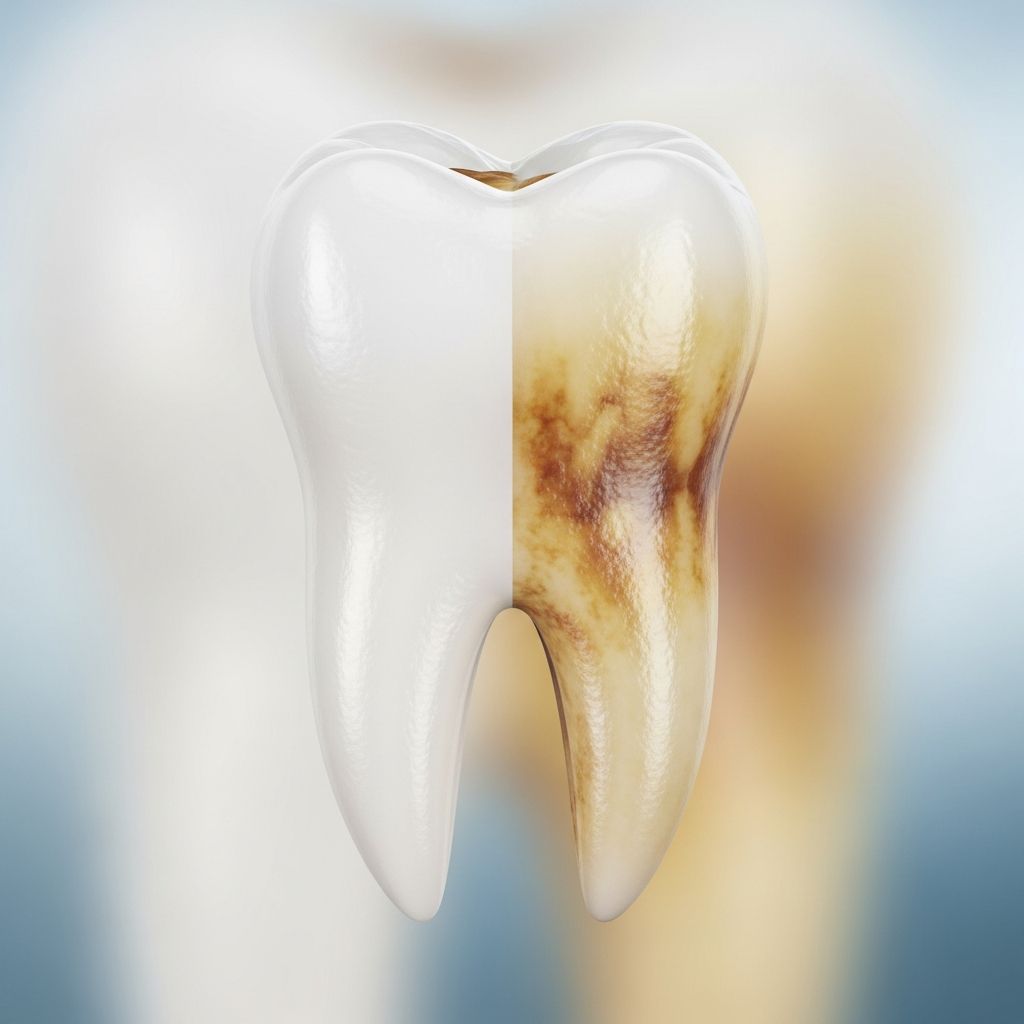
The Science Behind Tooth Discoloration
Tooth discoloration is one of the most common aesthetic concerns affecting millions of people worldwide. Unlike many dental problems that develop suddenly, yellowing teeth typically occur gradually over time as a result of multiple factors working together. To understand why this happens, it’s important to recognize that teeth have a complex structure consisting of an outer enamel layer and an inner layer called dentin. The color of our teeth is determined by the thickness and transparency of the enamel, as well as the natural shade of the underlying dentin. When discoloration occurs, it can manifest in two distinct ways: extrinsic stains that affect the surface of the tooth, and intrinsic discoloration that occurs within the tooth structure itself.
Surface-Level Stains: The Extrinsic Factor
Extrinsic stains develop on the outer surface of tooth enamel and are typically the result of external substances coming into contact with your teeth. These surface-level discolorations are often the most visible and can range in color from yellow to brown, depending on the source. Surface stains are generally easier to address than deeper discoloration because they sit on top of the enamel rather than penetrating into it. Many extrinsic stains can be managed through improved oral hygiene habits and professional dental cleanings. Understanding the specific sources of extrinsic staining is the first step toward prevention and maintenance of a brighter smile.
Beverages That Damage Tooth Brightness
Among the most significant contributors to tooth discoloration are the beverages we consume daily. Many popular drinks contain pigmented compounds known as chromogens that readily adhere to tooth enamel. Coffee and tea are particularly notorious for causing yellowing, as they contain high concentrations of tannins—compounds that create stubborn yellow-brown films on tooth surfaces. Red wine presents a dual threat, as it combines deep pigments that penetrate enamel with acidity that softens the tooth surface, making it more susceptible to staining. Dark sodas and cola drinks worsen discoloration through their combination of acidic properties and staining agents. Even seemingly innocent beverages like fruit juices, sports drinks, and smoothies can contribute to gradual yellowing due to their natural pigments and acidic content. The frequency of consumption matters significantly; regular daily intake of these beverages accelerates the staining process considerably.
Dietary Contributors to Discoloration
Beyond beverages, numerous foods can leave their mark on tooth color. Deeply pigmented berries such as blueberries, blackberries, and cranberries contain natural chromogens that bind to enamel surfaces. Curry and other intensely colored spices contain pigments that adhere stubbornly to teeth, creating persistent yellow or brown tones. Soy sauce, tomato-based sauces, and even dark chocolate can contribute to gradual discoloration with regular consumption. Unlike surface stains from beverages that might be rinsed away immediately, food particles often remain on teeth longer, giving pigments more time to bond with enamel. The cumulative effect of consuming these foods frequently over months and years becomes increasingly apparent in tooth color.
The Damaging Effects of Tobacco Products
Tobacco use represents one of the most aggressive causes of tooth discoloration. Both smoking cigarettes and chewing tobacco deliver nicotine and tar directly to tooth surfaces, and these substances are particularly effective at staining enamel. The discoloration from tobacco is characteristically severe and progressive—teeth often transition from white to yellow and eventually to brown as tobacco use continues. Unlike other stains that primarily affect the surface, nicotine and tar penetrate deeply into enamel, making the resulting discoloration resistant to standard brushing and surface cleaning. Tobacco use not only yellows teeth but also accelerates gum disease, increases bad breath, and contributes to more serious oral health complications. The damage compounds over time, as each cigarette or use of chewing tobacco deposits additional staining compounds on the tooth surface.
Oral Hygiene and Plaque Accumulation
Inadequate oral hygiene practices create an ideal environment for tooth discoloration. When brushing and flossing are neglected, a sticky bacterial film called plaque accumulates on teeth within hours of eating. This plaque harbors bacteria and creates a yellowish coating that dims the natural brightness of teeth. Over extended periods without proper removal, plaque mineralizes and hardens into tartar—a crusty, yellowish-brown substance that becomes permanently bonded to the tooth surface. Unlike plaque, which can be removed through home brushing and flossing, tartar requires professional dental intervention to remove. The presence of tartar not only causes visible yellowing but also creates a rougher tooth surface that attracts and traps additional stains more easily. Poor oral hygiene thus initiates a vicious cycle where initial yellowing from plaque makes teeth more susceptible to further staining.
Deep Discoloration: The Intrinsic Dimension
Intrinsic discoloration refers to color changes that occur within the tooth structure itself, beneath the enamel surface. These internal stains are more challenging to address than extrinsic surface stains because they involve the dentin layer or the tooth’s internal composition. Intrinsic discoloration typically appears as a dull yellow or brownish tone that cannot be removed through conventional brushing or surface cleaning. Several factors contribute to intrinsic discoloration, ranging from natural aging processes to medication side effects and developmental conditions. Understanding the causes of internal discoloration is essential because treatment approaches differ significantly from those used for surface stains.
The Aging Process and Enamel Wear
As we progress through our decades, our tooth enamel naturally wears down through constant use—a process that is entirely normal and virtually universal. The enamel layer, which is translucent and provides the bright white appearance of young teeth, gradually thins with age. As enamel wears, it reveals more of the underlying dentin, which is naturally more yellow in color. This transition is inevitable and occurs regardless of how diligently someone maintains their oral hygiene. People in their 40s, 50s, and beyond frequently notice that their teeth appear noticeably more yellow and duller compared to photographs from their younger years. This age-related yellowing is not an indicator of poor dental care but rather a reflection of the natural aging of dental structures. The process accelerates in individuals who engage in teeth grinding (bruxism), which affects 8-10% of the adult population and significantly speeds up enamel wear.
Medications and Internal Discoloration
Certain medications and supplements can cause intrinsic tooth discoloration as a side effect. Tetracycline antibiotics, when taken during tooth development, can cause permanent internal discoloration that appears as gray, blue, or brown bands on teeth. Other medications can similarly affect tooth color from within, creating discoloration that resists conventional whitening treatments. These medication-related stains develop during tooth formation, making them deeply embedded in the tooth structure. Anyone taking medications that carry this risk should discuss potential effects with their healthcare provider and dentist.
Fluorosis: When Dental Protection Becomes Problematic
While fluoride in appropriate amounts provides essential protection against tooth decay, excessive fluoride exposure during early childhood can disrupt normal enamel formation, leading to a condition called fluorosis. This condition causes white streaks or spots on teeth that may eventually develop a yellow or brown tint. Mild fluorosis creates subtle white streaks, while more severe cases result in noticeable yellow-brown mottling across tooth surfaces. Fluorosis occurs when children consume excessive amounts of fluoridated water, fluoridated supplements, or overuse fluoridated toothpaste during the years when tooth enamel is developing. Parents can prevent fluorosis by using only ADA-approved fluoride toothpaste in appropriate amounts for their children’s age and monitoring overall fluoride exposure from all sources.
Additional Contributing Factors
Beyond the primary causes, several other factors can contribute to or accelerate tooth discoloration. An acidic diet, which includes frequent consumption of citrus fruits, vinegar, and acidic beverages, softens enamel and makes it more susceptible to staining. Aggressive brushing with hard-bristled toothbrushes or excessive pressure can wear away enamel more quickly than normal, exposing yellower dentin underneath. Acid reflux disease and frequent vomiting expose teeth to stomach acid, which erodes enamel and causes yellowing as the dentin becomes more visible. Genetic factors also play a role, as some individuals are born with naturally thinner enamel or a more yellow natural tooth color. The combination of multiple factors—such as age, dietary habits, and genetic predisposition—often creates more noticeable yellowing than any single factor alone.
Prevention Strategies for Maintaining Brightness
While some causes of tooth discoloration are beyond our control, many can be actively prevented through deliberate lifestyle choices. Implementing effective prevention strategies requires understanding which specific behaviors contribute most to yellowing and then modifying those behaviors consistently. The most successful approach to maintaining brighter teeth combines improved oral hygiene with dietary adjustments and regular professional care.
- Maintain rigorous oral hygiene: Brush teeth at least twice daily with ADA-approved toothpaste, floss once daily, and rinse with antimicrobial mouthwash to remove plaque before it hardens into tartar.
- Limit staining beverages: Reduce consumption of coffee, tea, red wine, and dark sodas. When consuming these beverages, use a straw to minimize contact with teeth and rinse your mouth with water afterward.
- Monitor acidic intake: Limit citrus fruits, vinegar, and acidic drinks that soften enamel. Wait at least 30 minutes after consuming acidic foods before brushing to avoid damaging softened enamel.
- Avoid tobacco products: Eliminate smoking and chewing tobacco entirely, as these cause severe, progressive staining and numerous other health complications.
- Use fluoride appropriately: Ensure children use only age-appropriate amounts of fluoridated toothpaste to prevent fluorosis while still gaining decay protection.
- Schedule regular professional cleanings: Visit your dentist every six months for professional cleanings that remove tartar and surface stains that home care cannot eliminate.
Professional Treatment Options
When prevention is insufficient or yellowing has already occurred, professional dental treatments can restore tooth brightness. Professional whitening treatments provide stronger results than over-the-counter products because dentists can use higher concentrations of whitening agents and customize treatments to individual needs. Dentist-applied whitening systems typically produce more dramatic and longer-lasting results than home whitening kits. For intrinsic discoloration that doesn’t respond to whitening, cosmetic options such as veneers or bonding may be recommended. A dental professional can assess whether discoloration is primarily age-related, related to active decay, or caused by enamel erosion, then recommend the most appropriate treatment approach.
Frequently Asked Questions
Q: Can yellow teeth be a sign of poor oral health?
A: Yellowing can result from poor oral hygiene when plaque and tartar accumulate, but it often reflects age-related enamel wear, dietary choices, or genetic factors rather than poor health. A dentist can determine the underlying cause during an examination.
Q: Is tooth whitening safe for sensitive teeth?
A: Professional whitening treatments can be modified for sensitive teeth, and your dentist can recommend appropriate options or use desensitizing agents during treatment to minimize discomfort.
Q: How long do professional whitening results last?
A: Results typically last 6 months to 2 years depending on lifestyle factors, consumption of staining beverages, and smoking habits. Regular maintenance treatments can extend results.
Q: Can I whiten my teeth if I have fillings or crowns?
A: Whitening treatments don’t affect the color of existing dental restorations, so they won’t match newly whitened natural teeth. Discuss replacement options with your dentist if this is a concern.
Q: What’s the difference between extrinsic and intrinsic stains?
A: Extrinsic stains appear on the tooth surface and often respond to professional cleaning and whitening. Intrinsic stains occur within the tooth structure and typically require stronger whitening treatments or cosmetic procedures.
References
- 10 Causes of Yellow Teeth & How to Treat Them — Preferred Dental. Accessed April 2026. https://topellicottcitydentists.com/blog/10-causes-of-yellow-teeth-how-to-treat-them/
- Why Are My Teeth Yellow? Common Causes for Discoloration — Adelhannadds.com. Accessed April 2026. https://adelhannadds.com/blog/why-are-my-teeth-yellow-common-causes-for-discoloration
- Why Are My Teeth Yellow? Causes, Treatments & Prevention — Brush and Floss. Accessed April 2026. https://www.brushandfloss.com/articles/why-are-my-teeth-yellow
- What Causes Teeth to Yellow Over Time and How to Reverse It — Friedman Dental Group. Accessed April 2026. https://friedmandentalgroup.com/blog/what-causes-teeth-to-yellow-over-time-and-how-to-reverse-it/
- Ten Causes Of Yellow Teeth And How To Avoid Them — Colgate. Accessed April 2026. https://www.colgate.com/en-us/oral-health/adult-oral-care/ten-causes-of-yellow-teeth-and-how-to-avoid-them
- Why Teeth Turn Yellow | Causes & Whitening Options — Said Dental. Accessed April 2026. https://www.saiddental.com/why-do-teeth-turn-yellow/
- 10 Causes of Yellow Teeth Stains & Tips to Treat Them — LISTERINE. Accessed April 2026. https://www.listerine.com/teeth-whitening/causes-yellow-teeth

Medha Deb is an editor with a master's degree in Applied Linguistics from the University of Hyderabad. She believes that her qualification has helped her develop a deep understanding of language and its application in various contexts. Medha specializes in the areas of beauty, health, sports, and wellness and is committed to ensuring that the content on the website is…