
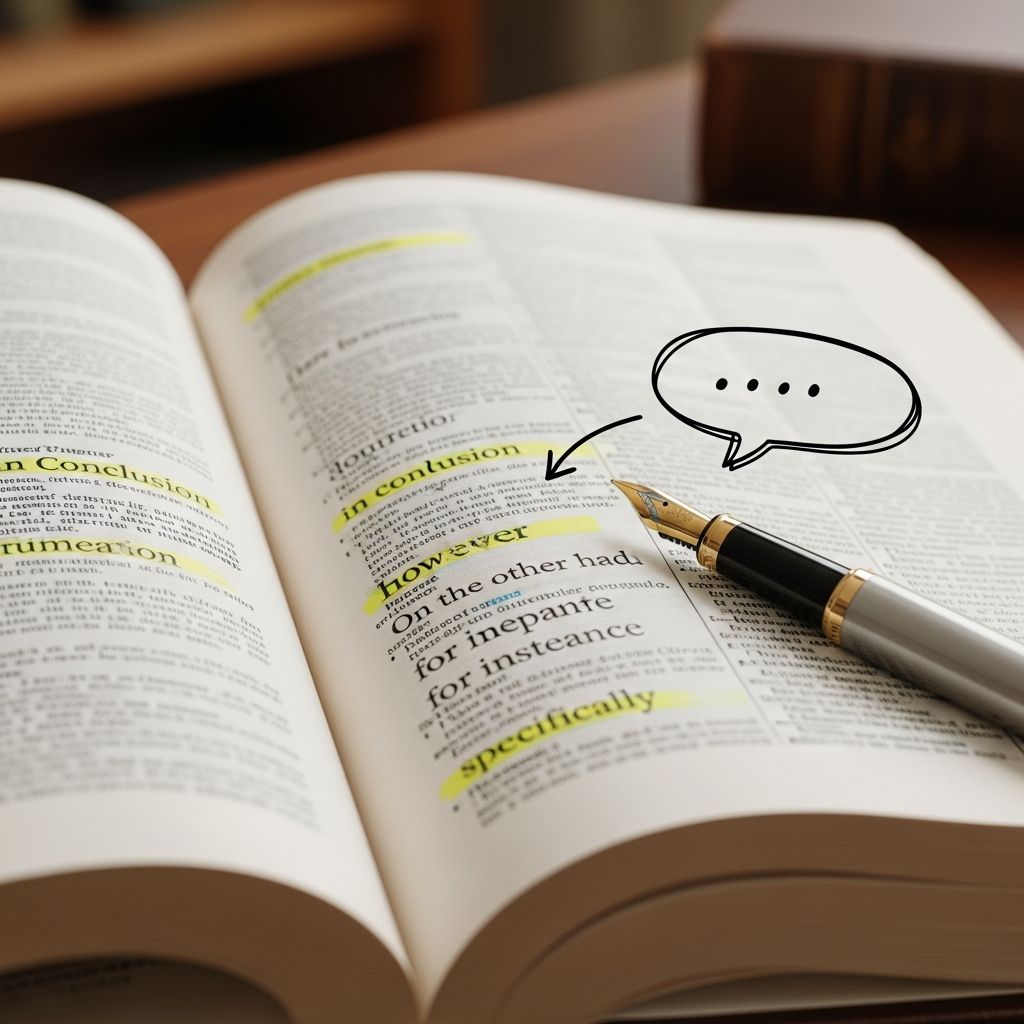
Cue words and phrases act as precise signals that prompt specific actions, responses, or recollections in various contexts, from stage performances to psychological processes and casual dialogues.
Defining the Essence of Cues in Language
At their core, **cue words** or **phrases** serve as triggers embedded within speech, writing, or actions that direct the listener or performer toward a predetermined reaction. These linguistic tools are foundational in structured environments like theater, where they dictate timing for lines or movements, but extend far beyond into everyday interactions.
In linguistic terms, a cue is any verbal or non-verbal indicator that precedes and elicits a targeted behavior. For instance, in dramatic arts, an off-stage noise might signal an actor’s entrance, functioning as an auditory cue phrase. Dictionaries emphasize this as ‘anything said or done that is followed by a specific line or action,’ highlighting its role as a stimulus for immediate response.
Historical Roots and Evolution of Cue Terminology
The term ‘cue’ traces back to theatrical scripts where Latin notations like ‘quando’—meaning ‘when’—were abbreviated as ‘Q’ in margins to mark entry points. Over time, this evolved into the modern ‘cue,’ symbolizing the pivotal moment of action. This historical shift underscores how cues transitioned from scribbled prompts to sophisticated signaling systems across disciplines.
Today, the concept has broadened. In psychology, cues facilitate memory retrieval, while in sports, they refocus athletes. This evolution reflects language’s adaptability, turning simple notations into multifaceted tools for human coordination.
Cues in Theatrical and Performance Contexts
In theater, film, and music, cue words and phrases are indispensable for synchronization. Directors provide cues to actors, signaling when to deliver lines or execute movements. A classic example: a character’s mention of ‘thunder’ cues sound technicians to activate storm effects.
Performers rely on these signals to maintain rhythm. Missing a cue disrupts flow, akin to an orchestra ignoring the conductor’s baton. Rehearsals drill these cues repeatedly, embedding them as automatic responses. Modern productions extend this to digital cues, like lighting software triggered by spoken keywords.
- Verbal cues: Dialogue lines prompting the next speaker.
- Visual cues: Gestures or prop movements indicating scene shifts.
- Audio cues: Sound effects or music swells signaling action.
Psychological Dimensions of Cue Words
Psychology views cues as sensory signals that organize responses or revive memories. A familiar scent or phrase can trigger vivid recollections, a phenomenon known as cue-dependent forgetting—where recall depends on reinstating original contextual cues.
These mental triggers influence behavior profoundly. In cognitive therapy, therapists use cue phrases to guide patients toward positive reframing. For example, repeating ‘breathe deeply’ during stress cues relaxation responses, rewiring neural pathways over time.
Cue Phrases in Sports and Mental Performance
Athletes employ cue words to refocus amid high-pressure moments. Short, potent phrases like ‘see the target’ help baseball players reset after errors, shifting focus from past mistakes to present execution.
Mental performance consultants recommend personalizing these cues. They act as psychological anchors, blocking distractions and priming peak performance. Studies show such verbal self-prompts enhance consistency under fatigue.
| Sport | Example Cue Phrase | Purpose |
|---|---|---|
| Baseball | “Next pitch, explode” | Refocus batting stance |
| Golf | “Smooth tempo” | Maintain swing rhythm |
| Tennis | “Bounce, hit” | Time serve returns |
Everyday Applications in Communication
Beyond specialized fields, cue words permeate daily conversations. They subtly guide social exchanges, like ‘anyway’ signaling a topic shift or ‘you know’ prompting agreement.
In negotiations, phrases like ‘let’s circle back’ cue revisiting points later. Parents use them with children: ‘Bedtime story?’ cues winding down routines. Recognizing these enhances interpersonal dynamics, preventing miscommunications.
Distinguishing Cues from Similar Concepts
Cues differ from queues (lines of people) or clues (hints toward solutions). A cue prompts immediate action; a clue aids deduction. This nuance is critical in writing, where misusing ‘cue’ for ‘queue’ alters meaning.
- **Cue**: Direct signal for response (e.g., stage prompt).
- **Queue**: Ordered waiting line.
- **Clue**: Indirect evidence for inference.
Strategic Use of Cues in Public Speaking
Effective speakers embed cue phrases to engage audiences. Rhetorical devices like ‘imagine this’ cue visualization, drawing listeners into narratives. Pauses act as silent cues, inviting reflection.
PowerPoint transitions often align with verbal cues, reinforcing points visually. Mastering this synchrony captivates crowds, turning monologues into interactive experiences.
Cues in Digital and Media Production
In video editing, ‘cue the music’ directs inserting audio at precise timestamps. Streaming platforms use algorithmic cues—viewer behavior triggers content recommendations.
Podcasters cue guests with phrases like ‘tell us more,’ sustaining dialogue flow. These modern adaptations highlight cues’ versatility in tech-driven media.
Building Effective Cue Systems
Crafting powerful cues requires brevity and clarity. Ideal cues are one-to-three words, evoking singular associations. Test them in low-stakes scenarios to ensure reliability.
- Identify trigger context.
- Select vivid, positive phrasing.
- Practice repetition for habituation.
- Refine based on feedback.
Frequently Asked Questions (FAQs)
What is the primary function of a cue word?
A cue word primarily signals a specific action, line, or response in performances, conversations, or mental processes.
How do cue phrases aid memory recall?
They reinstate contextual elements tied to stored memories, facilitating retrieval in psychology.
Can cue words improve athletic performance?
Yes, short phrases refocus athletes, helping overcome errors and maintain concentration.
What’s the difference between cue and queue?
Cue prompts action; queue denotes a line. They sound alike but differ in origin and use.
Are cues only verbal?
No, they include visual, auditory, and tactile signals across theater, sports, and daily life.
Advanced Techniques for Cue Mastery
Experts layer cues hierarchically: primary for immediate action, secondary for reinforcement. In team settings, shared cue vocabularies foster cohesion, like military commands.
Neuroscientific research links cue efficacy to dopamine responses, explaining their addictive motivational pull. Customizing cues to individual learning styles—auditory vs. visual—amplifies impact.
In education, teachers deploy cues like ‘key takeaway’ to highlight concepts, boosting retention. Corporate training adapts them for habit formation, such as ‘daily huddle’ signaling team sync-ups.
Potential Pitfalls and How to Avoid Them
Overly complex cues confuse; simplicity reigns. Cultural mismatches erode effectiveness—universal phrases like ‘thumbs up’ transcend languages better than idioms.
Dependency risks arise if cues overshadow intrinsic motivation. Balance external prompts with internal rehearsal for sustainable skill-building.
References
- CUE Definition & Meaning — Dictionary.com. 2023-10-15. https://www.dictionary.com/browse/cue
- CUE | definition in the Cambridge English Dictionary — Cambridge Dictionary. 2024-01-20. https://dictionary.cambridge.org/us/dictionary/english/cue
- Cue vs. Queue—What’s the Difference? — Grammarly. 2023-05-10. https://www.grammarly.com/blog/commonly-confused-words/cue-queue/
- cue | definition for kids — Wordsmyth. 2022-11-05. https://kids.wordsmyth.net/we/?rid=10043&level=3
- How and When to Use Cue Words/Phrases to Refocus — YouTube (Figure It Out Baseball). 2023-08-12. https://www.youtube.com/watch?v=AW1IF4329J8
- cue – American Heritage Dictionary Entry — American Heritage Dictionary. 2024-02-28. https://ahdictionary.com/word/search.html?q=cue

- Integrated M.A. in Applied Linguistics, University of Hyderabad
- 5+ years in editorial, instructional, SEO, and research-based writing
Sneha is a relationships and lifestyle writer with a strong foundation in applied linguistics and certified training in relationship coaching. She brings over five years of writing experience to theskillvault, crafting thoughtful, research-driven content that empowers readers to build healthier relationships, boost emotional well-being, and embrace holistic living. Her writing and insights reflect the belief that beauty, happiness, and wellness…