
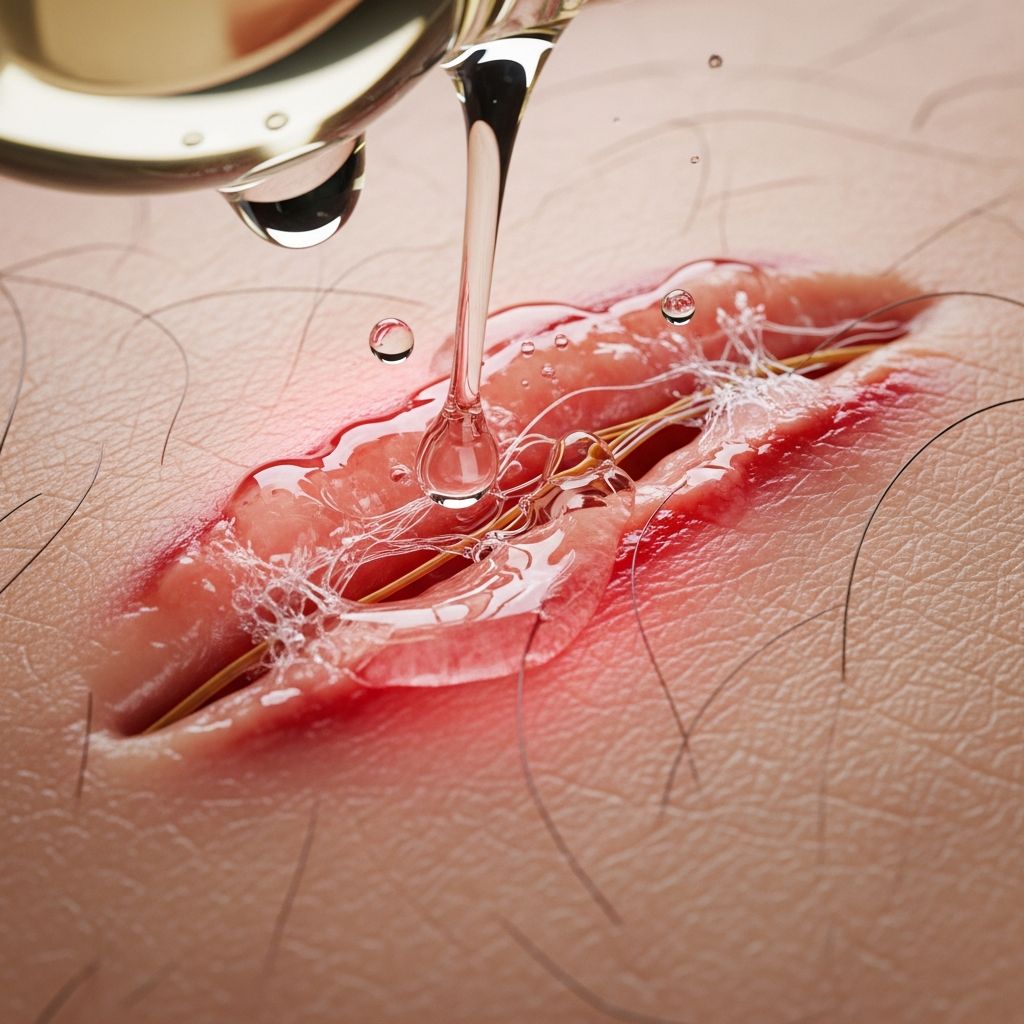
Applying rubbing alcohol to a fresh cut often triggers an immediate, fiery pain that makes many rethink this common practice. This sensation arises from alcohol’s interaction with specialized skin cells, but beyond the sting, it poses risks to the healing process itself. Understanding these mechanisms empowers better decisions for wound management.
The Science of the Burning Sensation
When ethanol in rubbing alcohol contacts damaged skin, it activates **VR1 receptors**, also known as TRPV1 channels, which are heat-sensitive proteins in nerve endings. These receptors normally detect temperatures above 43°C (109°F), signaling pain to protect the body from burns. Ethanol mimics heat by releasing neurochemicals that lower this activation threshold by nearly 10°C, making normal body heat—around 37°C (98.6°F)—feel scorching, especially in inflamed areas.
In wounds, exposed nerve endings amplify this effect. Unlike water, which lacks this property, alcohol directly stimulates these pathways, creating a perception of intense burning. This response evolved to warn against harmful substances but explains why alcohol feels disproportionately painful on cuts.
How Alcohol Disrupts the Natural Healing Cascade
Wound healing unfolds in four phases: hemostasis, inflammation, proliferation, and remodeling. Alcohol interferes at multiple stages, primarily by damaging cells essential for repair.
- Hemostasis and Inflammation: Initially, alcohol dries the area rapidly due to its volatility, absorbing heat during evaporation and irritating nerves further. This excessive drying kills healthy fibroblasts and keratinocytes needed for clotting and immune response.
- Proliferation Phase: Ethanol impairs epithelial coverage, collagen production, and angiogenesis (new blood vessel formation). Studies show reduced cytokine signals like KC and MIP-2, leading to fewer neutrophils and delayed tissue regrowth.
- Remodeling: Persistent use causes hypoxia by limiting vascular density and altering hypoxia-inducible factor (HIF-1α), resulting in weaker scars prone to breakdown.
Acute exposure before injury heightens infection risk, as seen in models where ethanol-exposed mice showed higher mortality from Pseudomonas aeruginosa post-burn.
Common Misconceptions About Alcohol in First Aid
Generations have used alcohol as a disinfectant, but evidence debunks this. Here’s a table comparing myths and facts:
| Myth | Fact | Impact on Healing |
|---|---|---|
| Alcohol kills germs effectively on wounds | It kills some bacteria but also healthy cells, delaying closure | Increases infection risk by impairing immunity |
| Quick evaporation cools the wound | Evaporation irritates nerves in open tissue | Causes dryness, cracking, and prolonged pain |
| No harm to intact skin means safe for cuts | Absorbed faster through damaged skin, risking toxicity | Leads to dermatitis, eczema, or systemic effects |
| Best for cleaning minor scrapes | Harms tissue more than soap and water | Slows proliferation and remodeling |
These errors stem from outdated advice; modern guidelines prioritize gentle cleansing.
Health Risks Beyond the Sting
Repeated alcohol application strips natural oils, causing dryness and potential chemical burns. On children or sensitive skin, absorption risks dizziness, nausea, or respiratory issues due to thinner barriers. In chronic use, it exacerbates conditions like eczema.
Research links pre-injury ethanol intoxication to poorer outcomes: suppressed IL-8 and TNF-α reduce neutrophil migration, while endothelial dysfunction promotes leakage and poor adhesion. This cascade explains higher surgical complication rates in affected patients.
Safer Alternatives for Effective Wound Care
Opt for evidence-based methods to clean and protect without harm:
- Cleanse Gently: Rinse with cool running water and mild soap for 5 minutes to remove debris.
- Moisturize: Apply petroleum jelly to maintain a moist environment, promoting faster epithelialization.
- Protect: Cover with sterile adhesive bandage; change daily or if wet.
- Antiseptics if Needed: Use povidone-iodine or chlorhexidine for high-risk wounds, diluted appropriately.
- Monitor: Watch for redness, pus, fever, or streaks—seek medical help promptly.
For burns or deep cuts, professional evaluation is crucial. These steps support natural healing without cytotoxicity.
Expert Insights on Alcohol’s Cellular Impact
At the molecular level, ethanol metabolizes via alcohol dehydrogenase (ADH) in endothelial and epithelial cells, producing toxic aldehydes that disrupt retinoid signaling and ECM deposition. This inhibits matrix metalloproteinases needed for remodeling, leading to fragile tissue.
Immune dysregulation is profound: ethanol blocks leukocyte-endothelial adhesion, reducing infiltration. In burn models, it elevates KC without neutrophil influx, creating imbalance. These findings, from peer-reviewed studies, underscore alcohol’s counterproductive role.
Frequently Asked Questions (FAQs)
Does alcohol disinfect wounds better than water?
No, it harms healing cells more than it helps, unlike soap and water which suffice for minor injuries.
Why does the pain feel worse on deeper cuts?
Deeper wounds expose more VR1 receptors, and inflammation lowers the heat threshold further.
Is isopropyl alcohol safer than ethanol?
Both sting similarly and dry tissue; neither is recommended for open wounds.
Can I use alcohol around a wound, not on it?
Even peripheral use risks migration and irritation; avoid entirely.
How long until a wound heals without alcohol?
Minor cuts close in 3-7 days with proper care; alcohol can double this.
Historical Context and Modern Shifts
Pre-20th century, alcohol was a staple antiseptic due to limited options. Post-antibiotic era and cellular studies shifted paradigms. Today, organizations like CDC advocate soap-and-water protocols, citing alcohol’s toxicity. This evolution reflects deeper understanding of regenerative biology.
In summary, the sting is a warning: alcohol signals danger to tissues primed for repair. Embracing alternatives fosters resilience and speedier recovery.
References
- Alcohol on the Wound — Indiana Public Media. 2019-09-12. https://www.ipm.org/show/amomentofscience/2019-09-12/alcohol-on-the-wound
- The Effect of Acute Ethanol Exposure on Wound Healing — National Center for Biotechnology Information (PMC). 2009-11-01. https://pmc.ncbi.nlm.nih.gov/articles/PMC2774876/
- Debunking 4 Myths on Alcohol Use in Wound Care — Betadine Global (PH). Accessed 2026. https://ph.betadine.global/en/ph/knowledge-hub/article/debunking-4-common-myths-about-the-use-of-alcohols-for-wounds
- First Aid True or False – Caring for Cuts, Scrapes, Burns, Wounds — WebMD. Accessed 2026. https://www.webmd.com/first-aid/ss/slideshow-wound-care-dos-and-donts
- Using Rubbing Alcohol? Why Your Skin Isn’t Healing — Ubie Health. Accessed 2026. https://ubiehealth.com/doctors-note/rubbing-alcohol-skin-healing-47-medical-steps-tips23e4

- Integrated M.A. in Applied Linguistics, University of Hyderabad
- 5+ years in editorial, instructional, SEO, and research-based writing
Sneha is a relationships and lifestyle writer with a strong foundation in applied linguistics and certified training in relationship coaching. She brings over five years of writing experience to theskillvault, crafting thoughtful, research-driven content that empowers readers to build healthier relationships, boost emotional well-being, and embrace holistic living. Her writing and insights reflect the belief that beauty, happiness, and wellness…