
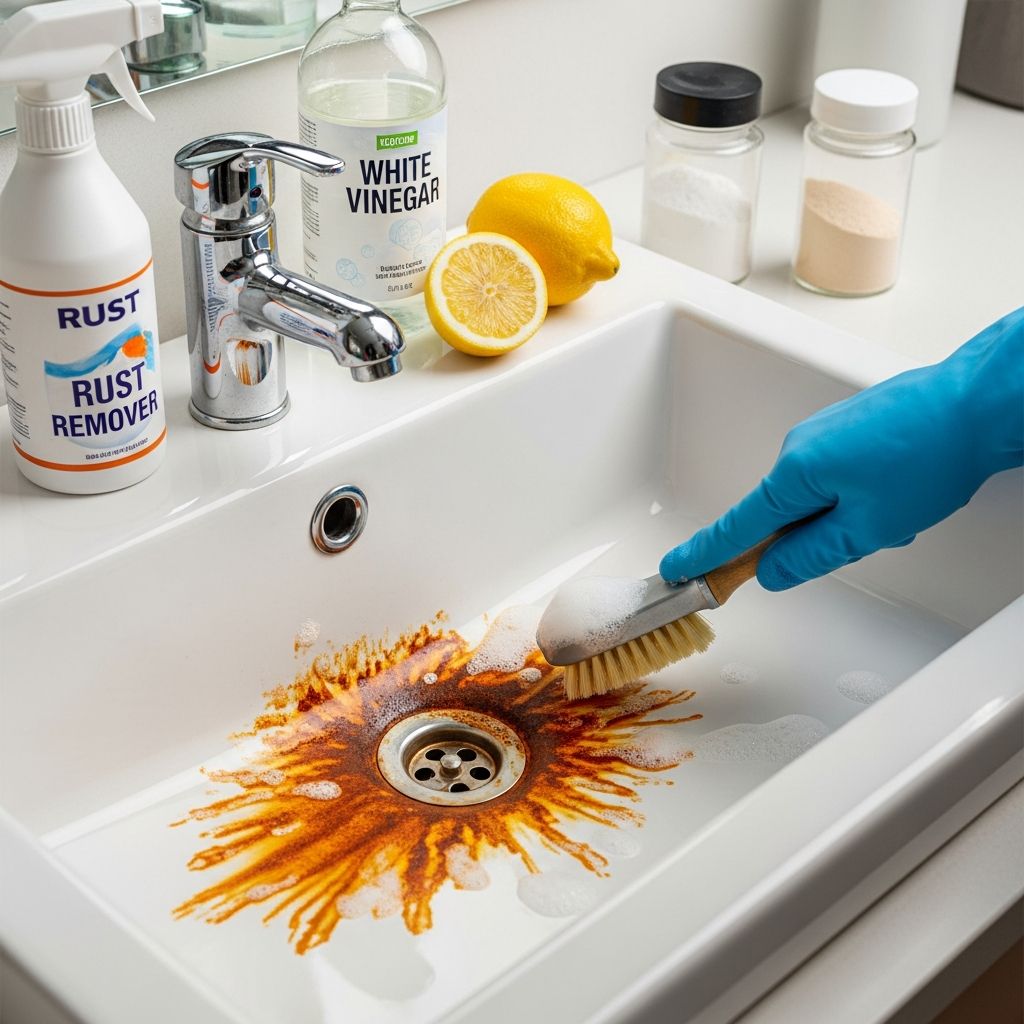
Rust stains emerge when iron oxidizes upon exposure to moisture and oxygen, creating unsightly orange-brown marks on metals, fabrics, concrete, and bathroom surfaces. These discolorations not only detract from aesthetics but can also signal underlying corrosion that weakens materials over time. Fortunately, many effective removal strategies rely on common household ingredients, avoiding harsh chemicals. This guide explores practical approaches tailored to different surfaces, emphasizing safety, efficacy, and prevention.
Understanding Rust Formation and Prevention Basics
Rust, or iron oxide, forms through an electrochemical reaction requiring iron, water, and oxygen. High-humidity environments like bathrooms or outdoor areas accelerate this process. To prevent stains, maintain dry conditions, apply protective coatings such as paint or sealants on metal, and promptly address water leaks. Regular cleaning with mild detergents also minimizes buildup.
For long-term protection, consider these proactive steps:
- Wipe metal surfaces dry after exposure to water.
- Use rust-inhibiting sprays on tools and fixtures.
- Store items in low-humidity areas with silica gel packs.
- Opt for stainless steel or galvanized materials in moist zones.
Effective Techniques for Metal Surfaces
Metal items like tools, pans, and hardware often develop surface rust that can be tackled with acidic soaks or abrasive pastes. These methods dissolve the oxide layer without damaging the base material.
Vinegar Soak for Heavy Rust
White vinegar’s acetic acid breaks down rust effectively. Submerge rusty metal in undiluted vinegar for 8-12 hours or overnight. For non-submersible items, soak rags in vinegar, wrap the affected area, and secure with plastic. Afterward, scrub with steel wool or a wire brush, rinse thoroughly, and dry immediately to prevent re-rusting. This passive method excels for tools and requires minimal effort.
Citric Acid for Gentle Cleaning
Dissolve 2-3 tablespoons of citric acid powder in hot water in a bowl. Immerse the metal and let sit overnight. Scrub remnants with a soft brush, rinse, and dry. Citric acid is milder than vinegar, ideal for delicate metals, though it may need longer soaking for thick rust layers.
Lemon and Salt Abrasive Scrub
Sprinkle coarse salt over rust, then squeeze fresh lemon juice to form a paste. Let sit 30 minutes to 2 hours, then rub with the lemon rind. The citric acid and salt’s abrasiveness lift rust quickly. Rinse and dry. This fast method suits small spots and leaves a fresh scent.
Comparison of Metal Rust Removal Methods
| Method | Time Required | Effort Level | Best For |
|---|---|---|---|
| Vinegar Soak | Overnight | Low | Heavy rust on tools |
| Citric Acid | Overnight | Low-Medium | Delicate metals |
| Lemon & Salt | 30 min-2 hrs | Medium | Quick spot treatment |
Removing Rust from Fabrics and Clothing
Rust on fabrics from tools, washers, or hardware demands gentle acids to avoid fiber damage. Always test on inconspicuous areas first and avoid heat until stains lift.
Salt and Lemon Juice Sun Treatment
Apply lemon juice to the stain, cover with salt, and place in direct sunlight for 2-4 hours. The sun activates the citric acid, bleaching the mark. Blot excess, rinse, and launder normally. Repeat if needed. This natural combo outperforms many commercial products for cotton and blends.
Vinegar and Baking Soda Paste
Mix baking soda with white vinegar to form a fizzing paste. Apply to the stain, let sit 20-25 minutes, then blot and rinse. Sun-dry before washing. Caution: Add vinegar slowly to control foaming. Effective for set-in stains on durable fabrics.
- Brush off loose particles first.
- Avoid rubbing to prevent spreading.
- Launder in cold water post-treatment.
Strategies for Bathroom Fixtures and Porcelain
Showers, tubs, and sinks accumulate rust from hard water or metal fixtures. Acid-based cleaners fizz away deposits without scratching enamel.
Baking Soda Paste Application
Wet the surface, apply baking soda generously, and let sit 1 hour. Scrub with a non-abrasive pad, rinse, and dry. For stubborn spots, follow with vinegar spray for extra fizzing action.
Commercial Foam Sprays for Vertical Surfaces
Spray foaming rust removers on tiles or porcelain, let dwell 5-10 minutes, then rinse. These cling to vertical areas, dissolving stains safely on glass, vinyl, and grout.
Tackling Rust on Concrete and Outdoor Surfaces
Driveways, patios, and sidewalks show rust from railings or vehicles. Commercial sprays work fast, but natural options suit light stains.
Spray-On Commercial Removers
Apply diluted rust remover to dry concrete, wait 5-10 minutes, and pressure wash at low angle. Effective on brick, stone, and pavers; brightens as it cleans. Use above 40°F for best results.
Oxalic Acid Poultices for Stubborn Marks
Dissolve oxalic acid in hot water with whiting to make a paste. Apply, let dry, then remove and rinse. University extension services recommend this for heavy wall or floor stains.
Safety Precautions and Material Compatibility
Always wear gloves, ventilate areas, and avoid mixing acids with bleach to prevent toxic fumes. Check surface compatibility: vinegar harms paint; abrasives scratch glass. For antiques, consult professionals.
Key safety rules:
- Test small areas first.
- Rinse residues completely.
- Dry items thoroughly post-cleaning.
- Keep children and pets away during treatment.
Frequently Asked Questions
What household item removes rust fastest?
Lemon juice and salt often work quickest for small metal and fabric stains due to immediate abrasive and acidic action.
Can I use these methods on painted surfaces?
No, avoid acids like vinegar on paint as they strip finishes; opt for gentle baking soda instead.
How do I prevent rust recurrence?
Apply sealants, control humidity, and dry surfaces promptly after cleaning.
Is citric acid safer than commercial removers?
Yes, it’s milder and biodegradable, suitable for food-contact metals.
What if stains persist after treatment?
Repeat processes or use oxalic acid for heavy deposits, following product directions.
Advanced Tips for Lasting Results
After removal, neutralize acids with a baking soda rinse. For metals, coat with oil or wax. On fabrics, add salt to wash cycles for extra stain-lifting. Track method success by surface type to streamline future cleanings. These techniques, drawn from tested home remedies, restore items economically while promoting sustainability.
Expand your cleaning arsenal with potato halves dipped in dish soap for minor metal spots: the oxalic acid in potatoes reacts mildly. For fabrics, sunlight enhances all acid treatments via natural bleaching.
References
- 5 Ways to Remove Rust From Metal (Tested & Approved) — Apartment Therapy. 2023-06-12. https://www.apartmenttherapy.com/how-to-clean-rust-off-old-loaf-141206
- How To Remove Iron & Rust Stains Fast and Effective — Powerwash.com. 2022-05-15. https://www.youtube.com/watch?v=9HBUK-YOPTQ
- How to Remove Rust Stains from Sinks, Showers & Other Surfaces — Clearwater Systems. 2024-01-20. https://www.clearwatersystems.com/how-to-remove-iron-rust-stains-sinks-bathtubs-surfaces/
- Remove Stains From Iron, Rust — University of Georgia Extension. 2023-11-08. https://site.extension.uga.edu/textiles/care/stain-removal/remove-stains-from-iron-rust/
- How to Get Rust Marks Out of Fabric — Adorn the Table. 2023-04-15. https://adornthetable.com/how-to-get-rust-marks-out-of-fabric/

Medha Deb is an editor with a master's degree in Applied Linguistics from the University of Hyderabad. She believes that her qualification has helped her develop a deep understanding of language and its application in various contexts. Medha specializes in the areas of beauty, health, sports, and wellness and is committed to ensuring that the content on the website is…