
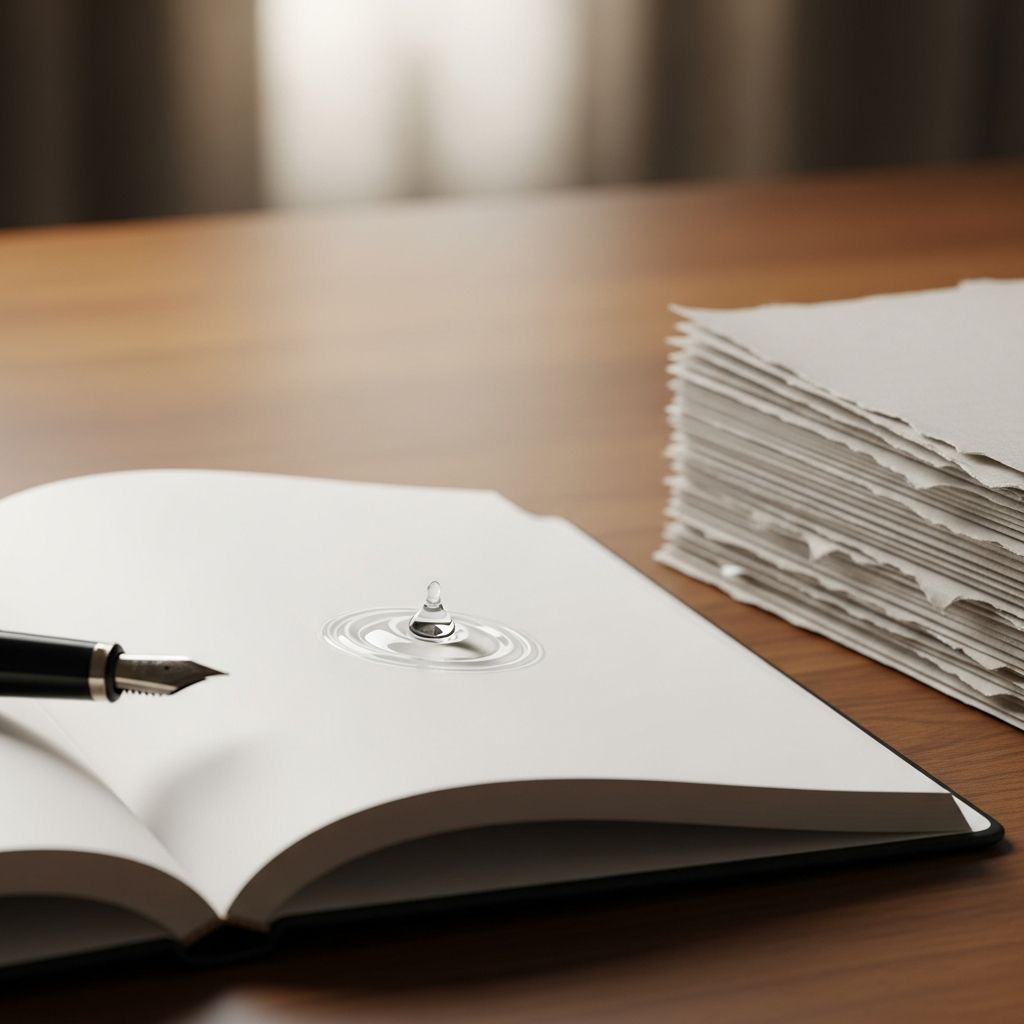
Clarity in writing stands as the cornerstone of effective communication, ensuring that ideas land precisely with the intended audience without confusion or misinterpretation. This article explores the essence of clear prose, its profound importance, proven strategies for improvement, and real-world applications across various writing forms.
Defining Clarity: The Heart of Compelling Communication
At its core, clarity means crafting text that readers grasp immediately and effortlessly. It transcends mere grammar correctness, focusing instead on how seamlessly the message flows from writer to reader. Clear writing employs straightforward vocabulary, logical progression of thoughts, and structures that mirror natural cognition patterns.
Unlike vague or convoluted prose, clear writing eliminates ambiguity by prioritizing precision. For instance, instead of abstract phrases, it opts for concrete details that paint vivid mental images. This quality makes content accessible to diverse audiences, from novices to experts, fostering broader engagement and retention.
- Precise word selection: Choosing terms that exactly match the intended meaning.
- Concise expression: Delivering ideas with minimal unnecessary words.
- Audience alignment: Tailoring complexity to reader expertise levels.
Academic institutions like Agnes Scott College emphasize that clarity operates on two levels: linguistic precision and argumentative coherence, both vital for academic success.
Why Prioritize Clarity? The High Stakes of Clear Expression
In professional, academic, and creative realms, unclear writing invites misunderstandings that can derail objectives. Readers disengage from foggy text, leading to lost opportunities, whether in business proposals, essays, or marketing materials.
Clear writing builds credibility; it positions the author as an authoritative voice. Persuasive documents, such as reports or opinion pieces, gain traction when arguments unfold transparently. Studies from writing centers highlight that precise communication enhances comprehension speed by up to 50%, saving time for busy professionals.
| Impact of Clarity | With Clarity | Without Clarity |
|---|---|---|
| Reader Engagement | High retention and action | Confusion and abandonment |
| Persuasion Power | Strong influence | Weak or counterproductive |
| Professional Perception | Expert and reliable | Incompetent or unclear |
Beyond efficiency, clarity amplifies emotional resonance in narratives or calls-to-action, drawing readers deeper into the content. In an era of information overload, standing out demands this precision.
Core Elements of the Clarity Framework: Beyond the Basics
Effective writing often revolves around foundational principles like the ‘4 Cs’: clarity, coherence, conciseness, and correctness. Clarity anchors them all, ensuring ideas shine without distortion.
Coherence: Weaving Ideas Seamlessly
Coherence links sentences and paragraphs into a unified whole, guiding readers through complex arguments effortlessly. Transitions like ‘furthermore’ or ‘in contrast’ signal shifts, maintaining momentum. Purdue OWL advises structuring from familiar ‘old’ information to novel ‘new’ insights, mimicking conversational flow.
Conciseness: Trimming the Excess
Conciseness pairs with clarity by removing redundancies, making every word count. Filler phrases like ‘in order to’ become ‘to,’ sharpening impact without losing meaning.
Correctness: The Foundation of Trust
Grammatical accuracy supports clarity, as errors disrupt flow. Consistent tense, agreement, and punctuation prevent distractions.
Together, these elements form a robust framework, as outlined in resources from writing experts.
Practical Strategies to Elevate Your Writing Clarity
Achieving clarity demands deliberate techniques, applicable across genres.
- Audience Analysis: Identify reader knowledge gaps; simplify jargon accordingly.
- Active Voice Dominance: ‘The team completed the project’ trumps ‘The project was completed by the team’ for directness.
- Sentence Variety Control: Mix short, punchy sentences with longer ones, avoiding marathon structures.
- Specificity Over Generality: Replace ‘good results’ with ‘20% efficiency gain’.
- Visual Aids Integration: Use lists, tables, or bolded key terms for scannability.
Proofreading through a fresh lens—aloud or via tools—exposes ambiguities. Peer reviews provide invaluable external perspectives.
Navigating Common Clarity Killers in Modern Writing
Even skilled writers stumble into pitfalls that obscure meaning.
- Jargon Overload: Technical terms alienate non-experts; define or substitute.
- Pronoun Vagueness: ‘This’ without antecedents confuses; specify ‘this strategy’.
- Passive Constructions: They dilute responsibility and energy.
- Information Dumps: Overloading paragraphs buries key points; chunk into digestible sections.
- Inconsistent Tone: Shifts from formal to casual jar readers.
A University of Iowa guide notes these issues often stem from poor organization, urging logical paragraphing.
Clarity in Action: Applications Across Writing Domains
Academic Essays: Thesis-driven structures with topic sentences per paragraph ensure argumentative flow.
Business Communications: Emails and reports demand bullet-point summaries for executives scanning on mobiles.
Creative Works: Vivid, specific imagery immerses without overwhelming.
Digital Content: SEO-optimized blogs favor short paragraphs and subheadings for user retention.
Adapting clarity techniques to context maximizes versatility.
Frequently Asked Questions (FAQs)
What distinguishes clarity from conciseness in writing?
Clarity focuses on comprehension and absence of ambiguity, while conciseness emphasizes brevity without sacrificing meaning.
How can beginners quickly improve writing clarity?
Start with simple sentences, active voice, and thorough revisions; read aloud to catch awkward phrasing.
Is jargon ever acceptable in clear writing?
Yes, for expert audiences, but always define terms initially to maintain accessibility.
Why do passive sentences harm clarity?
They obscure subjects and actions, making relationships between ideas harder to trace.
How does clarity affect SEO and online readership?
Clear, scannable content boosts dwell time and shares, signaling quality to algorithms.
Building a Clarity Habit: Long-Term Mastery
Sustained improvement arises from routines: daily writing practice, style guide adherence, and feedback loops. Tools like Grammarly aid initial edits, but human judgment refines nuance. Track progress by rewriting old pieces, noting enhanced precision.
Renowned guides from Purdue OWL stress iterative refinement, turning clarity into instinct. Over time, clear writing becomes second nature, elevating all communicative endeavors.
In summary, prioritizing clarity transforms mediocre text into powerful tools for influence and understanding. Implement these strategies consistently for transformative results.
References
- Clarity In Writing: Why It’s Important And How to Improve — AI Writing Assistant. 2023-06-15. https://www.aiwritingassistant.com/blog/clarity-in-writing-why-its-important-and-how-to-improve/
- The 4 Cs of Effective Writing: Clarity, Coherence, Conciseness, and… — WriteSeed. 2024-02-10. https://writeseed.com/blog/4-cs-of-writing
- Avoiding Confusing Sentences And Writing With Clarity — Thesaurus.com. 2023-11-20. https://www.thesaurus.com/articles/how-to-write-with-clarity
- Clarity: Sharpen Vague Sentences and Paragraphs — Grammarly. 2024-01-05. https://www.grammarly.com/blog/writing-techniques/clarity-in-writing/
- Clarity in Writing — Agnes Scott College Center for Writing and Speaking. 2022-09-01. https://www.agnesscott.edu/center-for-writing-and-speaking/handouts/clarity-in-writing.html
- Clarity – Current Students — University of Iowa Tippie College of Business. 2022-05-15. https://students.tippie.uiowa.edu/sites/students.tippie.uiowa.edu/files/2022-05/undergrad_accounting_macro_clarity.pdf
- Improving Sentence Clarity — Purdue OWL. 2023-08-12. https://owl.purdue.edu/owl/general_writing/mechanics/sentence_clarity.html

- Integrated M.A. in Applied Linguistics, University of Hyderabad
- 5+ years in editorial, instructional, SEO, and research-based writing
Sneha is a relationships and lifestyle writer with a strong foundation in applied linguistics and certified training in relationship coaching. She brings over five years of writing experience to theskillvault, crafting thoughtful, research-driven content that empowers readers to build healthier relationships, boost emotional well-being, and embrace holistic living. Her writing and insights reflect the belief that beauty, happiness, and wellness…