
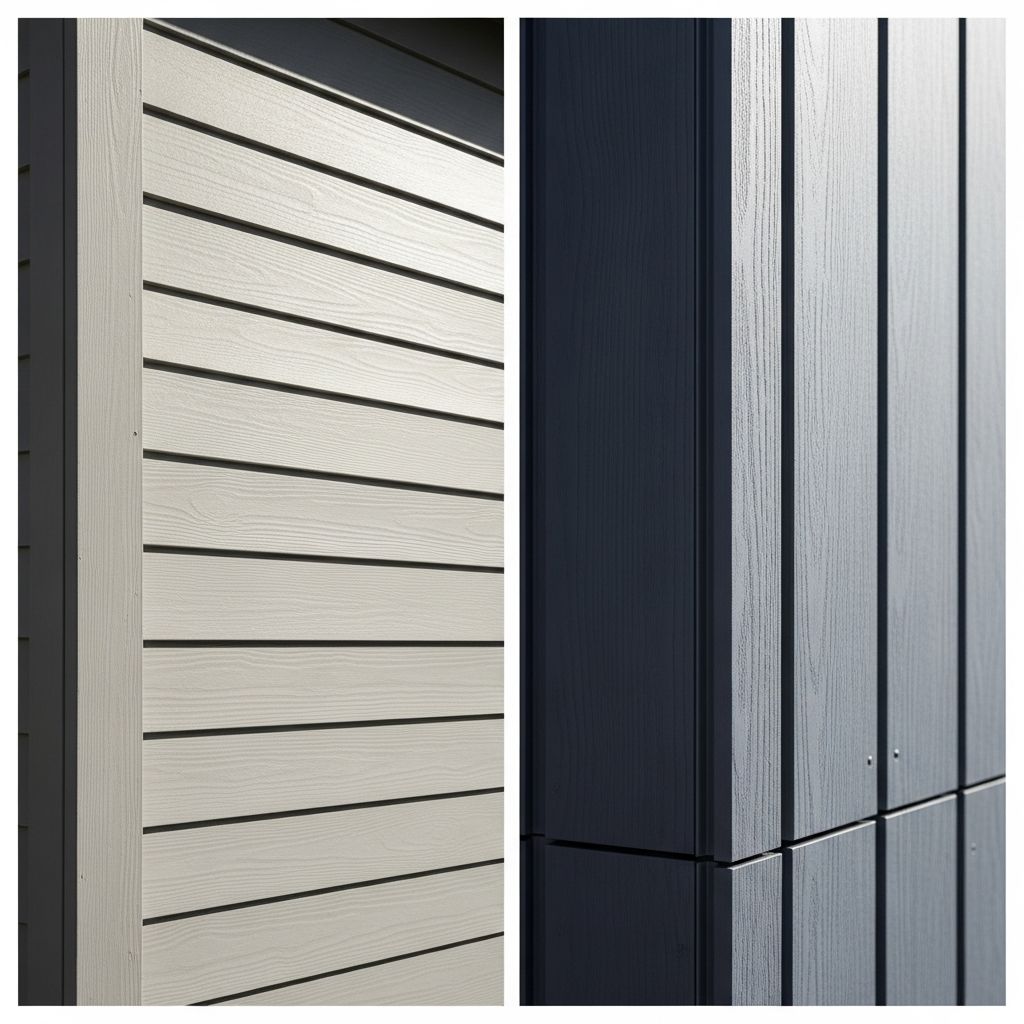
Fiber cement sidings from James Hardie, such as **HardiePlank** and **HardiePanel**, provide homeowners with robust alternatives to traditional wood siding. These products combine exceptional durability with aesthetic versatility, making them ideal for various climates and architectural styles.
Understanding Fiber Cement Siding Basics
Fiber cement siding is a composite material made from cement, sand, and cellulose fibers, offering superior performance over vinyl or wood. James Hardie pioneered this technology, producing non-combustible panels that resist moisture, pests, and extreme weather. Unlike wood, it does not rot, warp, or attract termites, ensuring long-term protection for home exteriors.
The two flagship products, HardiePlank and HardiePanel, cater to different design preferences while sharing core strengths like fire resistance and low maintenance. Homeowners choose based on installation orientation, texture options, and visual impact.
Key Features of HardiePlank Lap Siding
**HardiePlank** features horizontal lap siding installed in overlapping strips, mimicking classic wood siding for a timeless appearance. Available in textures like smooth, cedar mill, and wood grain, it suits traditional homes, cottages, and colonial styles.
- Durability: Engineered to withstand harsh weather, including rain, wind, and snow, without chipping or cracking.
- Color Options: Pre-finished with ColorPlus® Technology for fade-resistant hues that outperform painted wood.
- Installation: Horizontal laps enhance weather resistance and curb appeal, following manufacturer guidelines for optimal performance.
This siding boosts home value by providing a cozy, versatile look that blends seamlessly with most neighborhoods.
Exploring HardiePanel Vertical Siding
**HardiePanel** offers vertical siding panels, creating bold, modern lines often paired with board-and-batten accents. Textures include smooth, stucco, Sierra 8, and Select Cedarmill, perfect for contemporary, farmhouse, or architectural homes.
- Design Flexibility: Vertical orientation emphasizes height and structure, ideal for custom builds or accents.
- Texture Variety: Stucco finishes suit Spanish or Tudor styles, while cedar mill replicates wood without maintenance issues.
- Performance: Factory-primed for painting or pre-colored, with inherent resistance to moisture and fire.
HardiePanel’s sleek profile sets homes apart, gaining popularity in urban and rural settings alike.
Durability and Performance Comparison
Both products excel in longevity, but their shared fiber cement composition provides key advantages. They are noncombustible, meeting strict fire safety standards, and resist damage from pests like woodpeckers or termites.
| Feature | HardiePlank | HardiePanel |
|---|---|---|
| Fire Resistance | Noncombustible | Noncombustible |
| Moisture Resistance | High, no rot/warp | High, factory-primed |
| Pest Resistance | Termite-proof | Termite-proof |
| Weather Durability | Extreme conditions | Extreme conditions |
James Hardie’s Engineered for Climate® ensures suitability for diverse regions, from coastal humidity to arid deserts.
Aesthetic Styles and Architectural Fit
Choosing between these sidings hinges on desired aesthetics. HardiePlank delivers a traditional, horizontal rhythm that evokes heritage craftsmanship, ideal for ranch, craftsman, or Victorian homes. In contrast, HardiePanel’s vertical lines promote a modern, minimalist vibe, enhancing farmhouse barndominiums or sleek urban dwellings.
- HardiePlank: Cozy, versatile for broad appeal.
- HardiePanel: Distinctive, sleek for statement-making designs.
ColorPlus® Technology offers 20+ factory-applied colors for both, ensuring UV protection and minimal fading over decades.
Installation Differences and Best Practices
Installation varies significantly. HardiePlank requires horizontal lapping with precise overlaps for water shedding, typically using nails or screws per James Hardie specs. HardiePanel involves vertical paneling, often with battens over seams for a rhythmic effect; mark cuts with chalk lines for accuracy.
Professional installation is recommended to maintain warranties, as improper methods can void coverage. Both demand proper framing and weather-resistive barriers.
Cost Analysis and Long-Term Value
HardiePlank generally costs $6–$14 per square foot installed, depending on texture and color, while HardiePanel ranges $7–$15 due to larger panel sizes. Initial investment yields savings via reduced maintenance—no painting every 5–7 years like wood.
Over 30–50 years, these sidings outlast vinyl (20–30 years) and match premium wood without upkeep, enhancing resale value.
Maintenance Tips for Longevity
Minimal care keeps both pristine: annual hose-down removes dirt, inspect caulk/seals yearly, and touch-up scratches promptly with matching ColorPlus®. Avoid pressure washing above low settings to prevent damage.
Sustainability and Environmental Benefits
James Hardie products contain no harmful chemicals, are recyclable, and reduce deforestation by replacing wood. Their durability cuts waste from frequent replacements.
Frequently Asked Questions (FAQs)
Can HardiePlank and HardiePanel be painted?
Yes, factory-primed versions accept exterior paint, but pre-finished ColorPlus® offers better longevity without repainting.
Which is better for humid climates?
Both perform excellently; fiber cement resists mold and moisture inherently.
Is Hardie siding fireproof?
Noncombustible, it won’t fuel fire spread, ideal for wildfire-prone areas.
How long do they last?
50+ years with proper install and maintenance.
Can I mix HardiePlank and HardiePanel?
Absolutely, for accents—e.g., HardiePlank body with HardiePanel gables.
Selecting the Perfect Siding for Your Project
Assess your home’s style: traditional? Go HardiePlank. Modern? HardiePanel. Consider local climate, budget, and pro installer quotes. Both elevate curb appeal and protect for generations.
References
- Hardieplank vs. Hardiepanel — Renew Urban. 2023. https://renewurban.net/hardieplank-vs-hardiepanel/
- HardiePlank vs HardiePanel Which One Should You Choose? — Lada Exteriors. 2023. https://ladaexteriors.com/hardieplank-vs-hardiepanel-which-one-should-you-choose/
- Understanding The Different Types of Hardie Plank Siding — RGSNC. 2024. https://www.rgsnc.com/understanding-the-different-types-of-hardie-plank-siding/
- HardiePanel Vertical Siding – Product Data — James Hardie (via BuildSite). 2023. https://www.buildsite.com/pdf/jameshardie/HardiePanel-Vertical-Siding-Product-Data-1987160.pdf
- Hardie® Panel Siding | Select Cedarmill — James Hardie. 2025. https://www.jameshardie.com/product-catalog/exterior-siding-products/hardie-panel-siding/select-cedarmill/primed-for-paint/
- HardiePlank Siding Styles — All County Exteriors. 2023. https://www.allcountyexteriors.com/blog/p.180212000/hardieplank-siding-styles/
- Hardie® Panel Siding — James Hardie. 2025. https://www.jameshardie.com/product-catalog/exterior-siding-products/hardie-panel-siding/

Medha Deb is an editor with a master's degree in Applied Linguistics from the University of Hyderabad. She believes that her qualification has helped her develop a deep understanding of language and its application in various contexts. Medha specializes in the areas of beauty, health, sports, and wellness and is committed to ensuring that the content on the website is…