
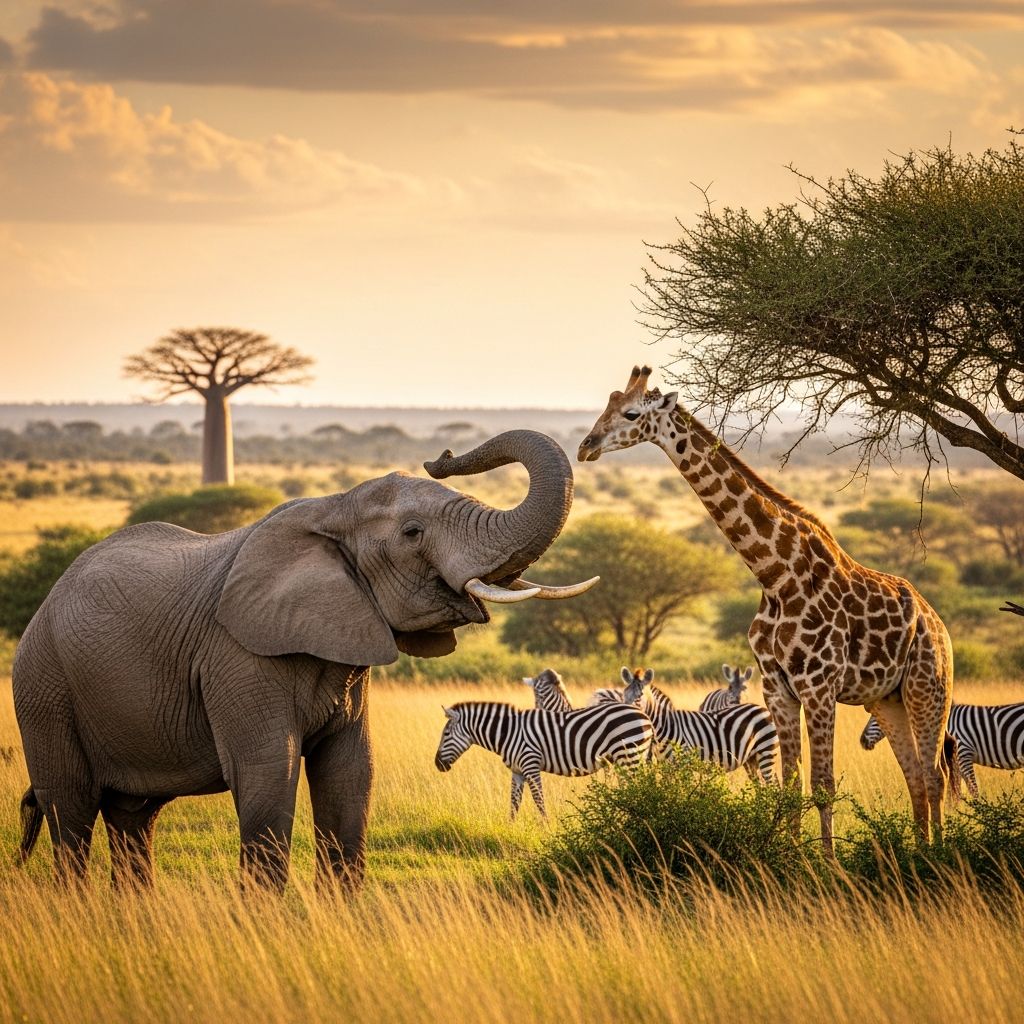
Herbivores represent a fundamental group of animals that sustain themselves exclusively on plant material, playing a pivotal role in maintaining ecological balance. These primary consumers convert solar energy captured by plants into biomass accessible to higher trophic levels.
The Essence of Herbivory in Nature
At its core, herbivory describes the consumption of autotrophs—primarily plants—by heterotrophic animals. This dietary strategy positions herbivores as the second trophic level in most food chains, directly following producers like grasses, shrubs, and trees. Unlike carnivores or omnivores, herbivores derive all necessary nutrients from foliage, fruits, seeds, roots, or other vegetal parts, showcasing remarkable physiological adaptations to process cellulose-rich diets.
Evolution has favored herbivory in diverse taxa, from insects to massive mammals, due to the abundance of plant life on Earth. Approximately 4000 herbivorous species thrive globally, underscoring their prevalence in biodiversity hotspots.
Key Adaptations That Define Herbivores
Herbivores exhibit specialized anatomical and physiological traits honed for plant consumption. Their dentition typically features broad, flat molars ideal for grinding tough fibers, with reduced or absent canines. Eyes positioned on the sides of the head provide panoramic vision to spot predators while foraging.
- Digestive Symbiosis: Mutualistic gut microorganisms break down cellulose, a polysaccharide indigestible to most animals without enzymatic aid.
- Extended Gut Length: Elongated intestines and specialized chambers like the rumen in ruminants maximize nutrient extraction.
- Behavioral Traits: Many form herds for protection, graze selectively, or practice coprophagy to recapture nutrients.
These features enable survival on low-energy, high-fiber diets, distinguishing herbivores from meat-eaters with slicing teeth and shorter guts.
Diversifying Diets: Types of Herbivores
While all herbivores eat plants, their preferences vary, leading to specialized categories that optimize energy intake from specific plant parts.
| Type | Description | Examples |
|---|---|---|
| Grazers | Consume grasses and low-lying vegetation in open habitats | Cows, zebras, bison |
| Browsers | Feed on leaves, twigs, and shrubs from trees and bushes | Giraffes, deer, elephants |
| Frugivores | Specialize in fruits for sugars and seeds | Parrots, monkeys, fruit bats |
| Folivores | Target leaves, rich in protein but tough | Koalas, sloths, howler monkeys |
| Granivores | Eat seeds and grains | Finches, sparrows, squirrels |
This dietary specialization reflects habitat pressures; for instance, tall browsers like giraffes access treetop foliage unavailable to ground-dwellers.
Mastering Plant Digestion: A Complex Process
Plant cell walls, fortified with cellulose, pose a digestion challenge. Herbivores overcome this through symbiotic bacteria, protozoa, and fungi producing cellulase enzymes. Ruminants like sheep possess a four-chambered stomach: rumen for fermentation, reticulum for mixing, omasum for water absorption, and abomasum for acidic breakdown.
Non-ruminants, such as horses, rely on hindgut fermentation in the cecum and large intestine. Rabbits engage in cecotrophy, re-ingesting soft fecal pellets to extract missed vitamins. These strategies yield volatile fatty acids as energy sources, compensating for plants’ low caloric density.
Herbivores in the Food Web Dynamics
As primary consumers, herbivores bridge producers and predators, regulating plant populations and preventing overgrowth. Their grazing stimulates new plant growth via trampling and fertilization from manure. In marine ecosystems, herbivores like manatees maintain seagrass beds, while terrestrial ones shape savannas and forests.
Predators exert top-down control on herbivore numbers, while food scarcity imposes bottom-up limits. Disruptions, such as overgrazing, can lead to desertification, highlighting herbivores’ keystone status.
Terrestrial Herbivores: Giants and Grazers
African elephants, the largest land herbivores, devour up to 300 pounds of vegetation daily, dispersing seeds via dung. Zebras’ stripiness may deter flies, aiding survival in predator-rich plains. Kangaroos, Australia’s macropods, efficiently ferment eucalyptus in forestomachs.
Aquatic and Insect Herbivores: Hidden Diversity
Manatees graze coastal grasses, supporting mangrove health. Sea urchins, echinoderm herbivores, control kelp forests. Insects like grasshoppers and caterpillars form the bulk of herbivorous biomass, influencing crop yields and wild plant dynamics.
Human Impacts on Herbivore Populations
Habitat loss from agriculture fragments herbivore ranges, while poaching threatens species like rhinos. Climate change alters forage availability, forcing migrations. Conservation via protected areas and rewilding restores balance, as seen in European bison recoveries.
Frequently Asked Questions About Herbivores
What is the primary food source for herbivores?
Herbivores exclusively consume plant materials such as leaves, fruits, grasses, seeds, and roots for all nutrition.
How do herbivores digest cellulose?
Through symbiotic microbes in specialized gut compartments that produce cellulase enzymes to break down plant cell walls.
Are all herbivores ruminants?
No; ruminants like cows have multi-chambered stomachs, but others like horses use hindgut fermentation.
Why do herbivores often live in groups?
Group living enhances predator detection and defense, crucial for vulnerable foragers in open habitats.
Can herbivores survive without meat?
Yes, their adaptations fully support a plant-only diet, providing all required proteins, vitamins, and energy.
Preserving Herbivores for Ecosystem Health
Protecting herbivores safeguards biodiversity, soil fertility, and carbon sequestration. Initiatives like wildlife corridors and sustainable farming promote coexistence. Understanding these plant-eaters fosters appreciation for nature’s interconnected web.
References
- Herbivorous & Carnivorous Animals – Characteristics & Examples — BYJU’S Biology. 2023-10-15. https://byjus.com/biology/carnivores-herbivores/
- Herbivore Animals – Definition, Classification, Characteristics, Examples — GeeksforGeeks Biology. 2024-02-20. https://www.geeksforgeeks.org/biology/herbivore-animals-definition-classification-characteristics-examples/
- Herbivore – Definition and Examples — Biology Online Dictionary. 2023-05-10. https://www.biologyonline.com/dictionary/herbivore
- Herbivore — Wikipedia. 2025-03-28. https://en.wikipedia.org/wiki/Herbivore
- Herbivore | Definition, Examples & Characteristics — Study.com Academy. 2024-01-12. https://study.com/academy/lesson/video/what-are-herbivores-examples-definition-quiz.html

Medha Deb is an editor with a master's degree in Applied Linguistics from the University of Hyderabad. She believes that her qualification has helped her develop a deep understanding of language and its application in various contexts. Medha specializes in the areas of beauty, health, sports, and wellness and is committed to ensuring that the content on the website is…