
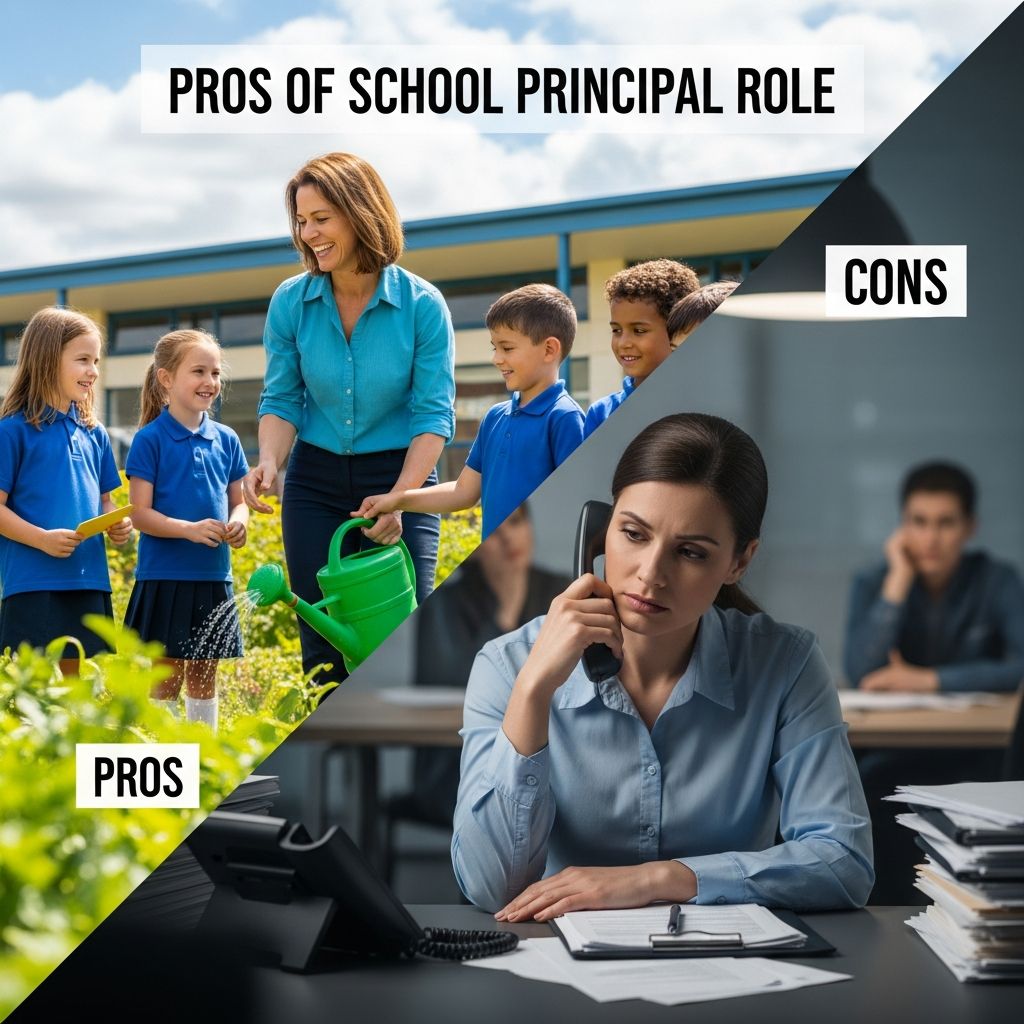
School principals serve as the cornerstone of educational institutions, guiding teachers, students, and communities toward academic excellence and personal growth. This leadership position offers profound opportunities for impact but also demands resilience amid constant challenges. Aspiring administrators must carefully evaluate these dynamics to determine if the role aligns with their professional goals and personal strengths.
Key Responsibilities of a School Principal
Before delving into benefits and drawbacks, understanding daily duties provides essential context. Principals oversee curriculum development, teacher evaluations, budget management, student discipline, and community engagement. They analyze assessment data to refine teaching strategies, ensure safety protocols, and foster inclusive environments. These multifaceted tasks require strategic planning, interpersonal skills, and adaptability, setting the stage for both rewarding achievements and notable hurdles.
Advantages of Leading as a Principal
The principal role brims with opportunities for those passionate about education. Leaders in this position shape entire school communities, leveraging their authority to drive positive change.
Making a Lasting Difference in Student Lives
One of the most fulfilling aspects is directly influencing students’ trajectories. Principals connect learners with tailored resources, addressing individual barriers to success. This hands-on involvement empowers youth to overcome obstacles, pursue higher education, or enter the workforce prepared. Many principals report profound satisfaction from witnessing former students thrive, knowing their guidance played a pivotal role.
Shaping Institutional Culture and Policies
Principals hold the power to define a school’s ethos through policies on discipline, extracurriculars, and professional development. They hire staff, approve curricula, and launch initiatives that promote equity and innovation. This broad influence allows leaders to cultivate collaborative atmospheres where teachers feel supported and students inspired.
Dynamic Daily Routines with Diverse Challenges
No two days mirror each other in this role. Mornings might involve budget reviews, afternoons teacher observations, and evenings parent conferences. This variety keeps the work engaging, blending routine oversight with spontaneous problem-solving, appealing to those who thrive on unpredictability.
Abundant Leadership and Mentorship Avenues
Supervising teams hones leadership prowess. Principals mentor novice educators, guide assistant administrators, and model best practices. These interactions build lasting professional networks and enhance one’s ability to inspire collective success.
Competitive Compensation and Career Progression
Principals enjoy higher salaries than classroom teachers, reflecting their advanced responsibilities and required credentials like master’s degrees. Earnings vary by location, experience, and school size but often support financial stability, homeownership, or retirement planning. This economic upside motivates many to pursue administrative paths.
Building Strong Community Ties
Engaging parents, local businesses, and civic groups strengthens school support systems. Principals network to secure resources, mentors, and advocacy, enriching student experiences and reinforcing the school’s role in societal fabric.
Challenges and Drawbacks of the Principal Position
Despite its appeals, the job’s intensity can test even the most dedicated individuals. High visibility and accountability amplify pressures unique to educational leadership.
Intense Stress from High-Stakes Decisions
Managing budgets, test performances, and crises generates relentless pressure. Principals bear responsibility for outcomes, facing scrutiny if goals falter. This emotional toll necessitates robust stress management strategies, such as structured downtime or wellness routines.
Frequent Conflict Resolution Demands
Mediating disputes between students, staff, parents, and districts consumes significant time. Balancing fairness amid opposing views—staff seeking strict discipline versus families advocating leniency—requires diplomatic finesse. Those averse to confrontation may find this draining.
Divisive Decision-Making Processes
Policy changes like curriculum shifts or dress codes often spark backlash. Principals must navigate dissent maturely, prioritizing data-driven choices over popularity. While challenging, effective handling can earn respect over time.
Budgetary Constraints and Resource Shortages
Funding uncertainties disrupt promising programs, forcing tough cuts. Principals juggle limited resources while maintaining quality, impacting morale and operations. This financial tightrope frustrates even seasoned leaders.
Extended Hours Impacting Work-Life Balance
The role spills beyond standard hours, encompassing events, emergencies, and preparation. Evenings and weekends erode personal time, challenging family commitments and self-care. Strong boundaries are crucial for sustainability.
Navigating Internal Politics and Resistance
Power dynamics, micromanagement, and change aversion among stakeholders create friction. Principals must foster buy-in while upholding vision, demanding political acumen and patience.
Comparing Pros and Cons: A Balanced View
To aid decision-making, this table summarizes core elements:
| Aspect | Pros | Cons |
|---|---|---|
| Impact | Shape student futures and school culture | High accountability for failures |
| Daily Work | Variety and leadership opportunities | Stressful conflicts and long hours |
| Compensation | Strong earning potential | Budget woes offset gains |
| Relationships | Community building and mentorship | Divisive decisions and politics |
This overview highlights how rewards often outweigh drawbacks for resilient, mission-driven individuals.
Qualities of Successful Principals
Thriving principals exhibit empathy, decisiveness, communication prowess, and adaptability. Prior classroom experience equips them to support teachers authentically, bridging instruction and administration. Continuous learning via certifications or networks sustains effectiveness.
Career Path to Becoming a Principal
Typically, candidates hold bachelor’s and master’s degrees in education, plus principal licensure. Years of teaching build credentials, followed by administrative internships. Job markets favor those with diverse experiences in urban or rural settings.
Frequently Asked Questions (FAQs)
What qualifications are needed to become a school principal?
A master’s degree in educational leadership, teaching experience, and state certification are standard requirements. Strong interpersonal and analytical skills are essential.
Is the principal salary worth the stress?
Many find the higher pay and impact rewarding, but it depends on personal stress tolerance and support systems.
How does being a principal differ from teaching?
Principals focus on oversight, policy, and management rather than daily instruction, offering broader influence but less direct student contact.
Can principals maintain work-life balance?
It’s challenging due to irregular hours, but effective delegation and boundaries help achieve it.
What support do principals receive?
District mentors, professional associations, and assistant principals provide guidance and shared responsibilities.
Final Thoughts for Aspiring Leaders
The principal role demands passion for education tempered by pragmatic resilience. For those drawn to leadership’s heights, it offers unparalleled fulfillment in nurturing tomorrow’s generations. Weigh personal fit carefully, as success hinges on embracing both triumphs and trials.
References
- The Pros and Cons of Being a Principal — Indeed.com. 2023-10-15. https://www.indeed.com/career-advice/finding-a-job/pros-and-cons-of-being-principal
- FAQ: Should I Be a Principal? (With Duties, Benefits and Salary) — Indeed.com. 2023-11-20. https://www.indeed.com/career-advice/finding-a-job/should-i-be-principal
- The Best and Worst Things About Being a Principal — Education World. 2022-05-10. https://www.educationworld.com/a_admin/admin/admin253.shtml
- Teacher-Turned-Principal: Pros & Cons — International Schools Review. 2018-12-13. https://internationalschoolsreviewdiscuss.wordpress.com/2018/12/13/teacher-turned-principal-pros-cons/

- Integrated M.A. in Applied Linguistics, University of Hyderabad
- 5+ years in editorial, instructional, SEO, and research-based writing
Sneha is a relationships and lifestyle writer with a strong foundation in applied linguistics and certified training in relationship coaching. She brings over five years of writing experience to theskillvault, crafting thoughtful, research-driven content that empowers readers to build healthier relationships, boost emotional well-being, and embrace holistic living. Her writing and insights reflect the belief that beauty, happiness, and wellness…