
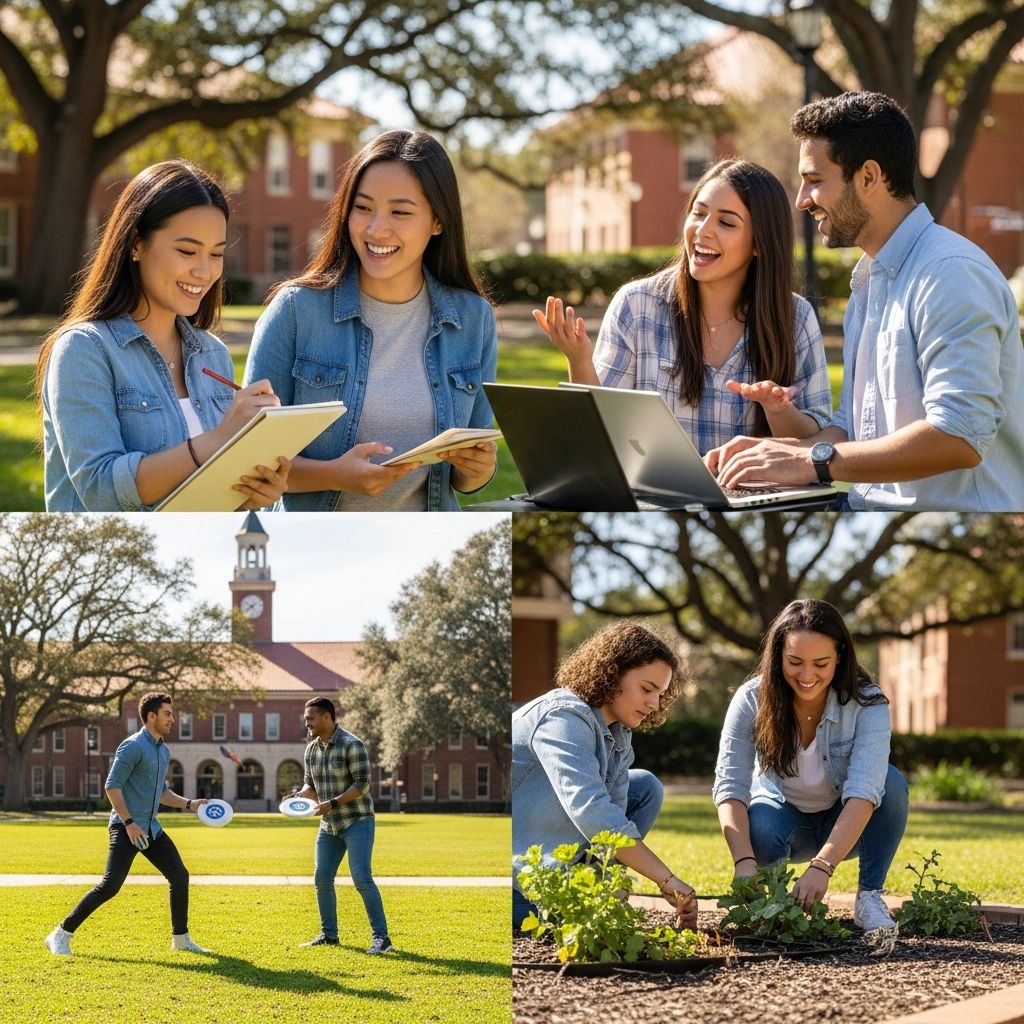
College represents a unique intersection of freedom and structure—a period when students have unprecedented opportunities to explore interests while simultaneously managing academic responsibilities. Yet despite these possibilities, many students find themselves experiencing periods of ennui, disconnection, or simply not knowing how to fill their downtime meaningfully. The challenge of combating boredom in college goes beyond mere entertainment; it’s fundamentally about discovering purpose, building skills, and creating connections that enriche the overall university experience.
Rather than defaulting to passive consumption or unstructured social activities, college students benefit from intentionally curating their time to align with personal growth objectives. The difference between feeling stuck and feeling engaged often comes down to deliberate choice and exploration rather than circumstance.
Leveraging Educational Opportunities Beyond the Classroom
One of the most underutilized resources available to college students lies in the educational technology and open-learning platforms that have democratized advanced coursework. Beyond the mandatory curriculum, students can engage with material that genuinely fascinates them through self-directed learning pathways.
Massive Open Online Courses (MOOCs) represent an accessible gateway to specialized knowledge. Prestigious institutions including MIT, Carnegie Mellon, and Harvard have developed OpenCourseWare initiatives, making university-level instruction available globally at little or no cost. These courses allow students to explore subjects tangentially related to their major, develop emerging competencies, or simply satisfy intellectual curiosity about topics ranging from computer science to art history. The flexibility of online learning means students can progress at their own pace, integrating educational pursuits with existing commitments.
Beyond formal MOOCs, specialized platforms offer thematic courses in practical domains. Virtual cooking classes teach culinary fundamentals, photography workshops develop visual literacy, and fitness courses provide structured movement guidance. This approach transforms leisure time into skill acquisition, creating tangible outcomes from hours spent online.
Building Community Through Structured Social Engagement
Boredom frequently stems not from lack of activity options but from disconnection—a sense of isolation despite being surrounded by thousands of students. Intentional community-building activities address this fundamental human need for belonging and shared experience.
Campus organizations facilitate structured opportunities for connection around shared interests. Board game clubs create low-pressure social environments where conversation flows naturally between turns. Language exchange partnerships pair students learning different languages, providing mutual support in linguistic development while building international friendships. Book clubs combine intellectual engagement with social bonding, as members discuss narratives that resonate personally while discovering new perspectives from peers.
For students seeking physical activity paired with social connection, intramural sports and amateur leagues offer multiple benefits. These activities provide cardiovascular exercise, competitive engagement, and team camaraderie without requiring elite athletic ability. Whether participating in traditional sports, pickleball tournaments, or casual competitions, students experience achievement and belonging simultaneously.
Collaborative hobby groups amplify the social dimension of individual interests. Cooking collectives pool resources and culinary knowledge, debate clubs engage participants in structured argumentation about substantive topics, and student government positions offer leadership development alongside meaningful campus contribution.
Creative Expression and Skill Monetization
College provides an ideal environment to experiment with creative ventures that might later develop into viable side enterprises or full professional pursuits. The combination of time, resources, and peer support creates conditions favorable for entrepreneurial exploration.
Podcasting exemplifies how accessible technology enables creative expression at scale. Students with perspectives to share, expertise to discuss, or simply compelling conversational chemistry can launch productions requiring minimal equipment and financial investment. Audio content creation develops communication skills, interviewing ability, and audience engagement strategy—competencies transferable across professional contexts.
E-commerce platforms lower barriers to retail entrepreneurship substantially. Students with particular skills—whether in crafts, graphic design, personalized goods, or vintage curation—can establish online shops while generating supplementary income. This approach transforms creative hobbies into meaningful economic activity, providing both financial benefit and portfolio-building opportunities for future career development.
Wellness Practices and Mindfulness Integration
The college environment presents particular stressors—academic pressure, social dynamics, financial concerns, and developmental transitions—that make wellness practices not merely optional but essential. Boredom sometimes masks underlying stress or emotional fatigue that requires deliberate attention and care.
Mindfulness and meditation practices offer evidence-based approaches to stress reduction and emotional regulation. Organized mindfulness tournaments and themed wellness challenges create community around contemplative practices, making meditation feel less solitary and more connected to collective campus culture. Dance classes combine physical movement with creative expression, providing simultaneous physical exercise and emotional release.
Volunteering connects wellness practice to purpose-driven engagement. Contributing to community through service simultaneously addresses boredom, builds meaningful relationships, and creates positive social impact. This approach satisfies multiple human needs—purpose, connection, and contribution—within a single activity framework.
Low-Cost Social Activities for Budget-Conscious Students
Financial constraints frequently limit college students’ activity options, potentially contributing to boredom when desirable activities seem financially inaccessible. However, numerous engaging pursuits require minimal monetary investment while providing substantial enjoyment and social benefit.
| Activity Category | Cost Level | Primary Benefits | Typical Duration |
|---|---|---|---|
| Hiking and Nature Exploration | Free to minimal | Physical activity, stress relief, scenic engagement | 1-4 hours |
| Open Mic Nights | Free | Entertainment, community connection, talent exploration | 1-2 hours |
| Board Game Gatherings | Free if using owned games | Social bonding, strategic thinking, friendly competition | 2-3 hours |
| Library Study Sessions | Free | Academic advancement, peer learning, focused study | 2-4 hours |
| Clothing Swaps | Free | Sustainable fashion, social connection, wardrobe refresh | 1-3 hours |
| Free Online Courses | Free | Skill development, knowledge expansion, certification options | Flexible |
Open mic nights hosted by campus organizations or local venues typically require no admission fee while offering diverse entertainment ranging from comedy and poetry to musical performance. This activity provides exposure to talented peers, potential opportunities for personal performance, and entertainment value alongside social engagement.
Clothing swaps enable students to refresh wardrobes sustainably while reducing individual clothing expenses. These gatherings transform closet decluttering into social occasions, allowing participants to acquire new pieces while supporting peers and reducing textile waste.
Coffee dates represent accessible social time that requires minimal financial commitment while enabling meaningful conversation. These informal gatherings facilitate relationship deepening, provide peer support, and create consistent connection patterns without elaborate planning.
Balancing Multiple Commitments Without Burnout
The abundance of potential activities creates its own challenge: overcommitment leading to exhaustion rather than engagement. Strategic prioritization prevents the trap of spreading commitments too thin across incompatible demands.
Students thrive when focusing on a limited number of activities that genuinely resonate rather than attempting to participate in everything available. Effective prioritization involves assessing which pursuits align with personal values, contribute to developmental goals, and maintain sustainable time investment alongside academics.
Flexibility emerges as essential to long-term commitment success. Schedule changes, academic pressure fluctuations, and evolving interests necessitate periodic reassessment of activity involvement. Rather than viewing reduced participation during demanding academic periods as failure, strategic scaling maintains engagement sustainability across the entire college trajectory.
Communication with professors, academic advisors, and mentors provides crucial perspective when balancing feels precarious. These individuals can offer institutional knowledge about sustainable engagement patterns and provide strategies for integrating personal interests with academic obligations effectively.
Exploring Campus and Surrounding Community Resources
Many students experience tunnel vision regarding their college environment, restricting experience to dormitory and classroom spaces while overlooking abundant resources within walking distance or a short transit ride.
Campus libraries extend far beyond quiet study spaces; many offer equipment rental, workshop instruction, study group facilitation, and social programming. Making deliberate visits to library spaces transforms them into community hubs rather than exclusively academic facilities.
Local community spaces—parks, trails, cultural venues, markets—provide low-cost exploration opportunities that broaden perspective beyond campus boundaries. Regular exploration of neighborhood geography builds environmental familiarity, reveals hidden venues, and creates investment in surrounding community rather than viewing the college experience as insulated from broader urban or regional context.
Investing in Meaningful Relationships Beyond Transaction
Among college students, boredom sometimes masks underlying disconnection—a sense that social interactions lack depth despite frequent surface-level contact. Investing intentional time in relationship development through calls, visits, and substantive conversation addresses this particular form of emptiness.
Regular communication with family and hometown friends maintains continuity of identity and relationships while providing perspective from individuals who knew students pre-college. These connections ground students, provide emotional support during transitions, and validate the person they were becoming alongside who they’re becoming in university.
Frequently Asked Questions
Q: How can I find activities that genuinely match my interests rather than defaulting to whatever’s popular?
A: Start by identifying three to four core interests or values, then investigate campus organizations and community resources aligned with these areas. Many colleges maintain searchable activity databases. Attend introductory meetings without committing; this low-pressure exploration identifies communities where you feel authentic connection.
Q: What if most campus activities happen during times that conflict with my schedule?
A: Online communities, asynchronous learning platforms, and self-directed hobbies accommodate non-traditional schedules. Additionally, student organizations often welcome members participating at varied levels; partial involvement beats complete exclusion.
Q: How do I know if I’m overcommitted versus appropriately engaged?
A: Track whether you maintain consistent sleep, academic performance, and social connections outside your primary activities. Feeling perpetually rushed, neglecting coursework, or experiencing persistent fatigue indicate overcommitment requiring adjustment.
Q: Can skill-building activities actually provide meaningful social connection?
A: Absolutely. Shared learning creates natural conversation, collaborative problem-solving fosters bonding, and working toward common goals builds community alongside developing competencies.
Q: What if I prefer solitary activities to group engagement?
A: Solo pursuits including independent course completion, creative projects, and personal hobby development are entirely valid. Balance matters; ensure complete social isolation doesn’t exacerbate underlying loneliness, while respecting genuine preference for individual time.
References
- MIT OpenCourseWare Initiative — Massachusetts Institute of Technology. 2024. https://ocw.mit.edu/
- Campus Recreation and Intramural Programs: Benefits for Student Development — American College Health Association. 2023. https://www.acha.org/
- The Role of Social Connection in College Student Mental Health — American Psychological Association. 2024. https://www.apa.org/science/about/psa/college-mental-health
- Mindfulness-Based Stress Reduction in Higher Education Settings — Journal of American College Health. 2023. https://www.tandfonline.com/toc/uach/current
- Student Engagement and Academic Success: Evidence from Longitudinal Data — U.S. Department of Education, National Center for Education Statistics. 2023. https://nces.ed.gov/

Medha Deb is an editor with a master's degree in Applied Linguistics from the University of Hyderabad. She believes that her qualification has helped her develop a deep understanding of language and its application in various contexts. Medha specializes in the areas of beauty, health, sports, and wellness and is committed to ensuring that the content on the website is…