
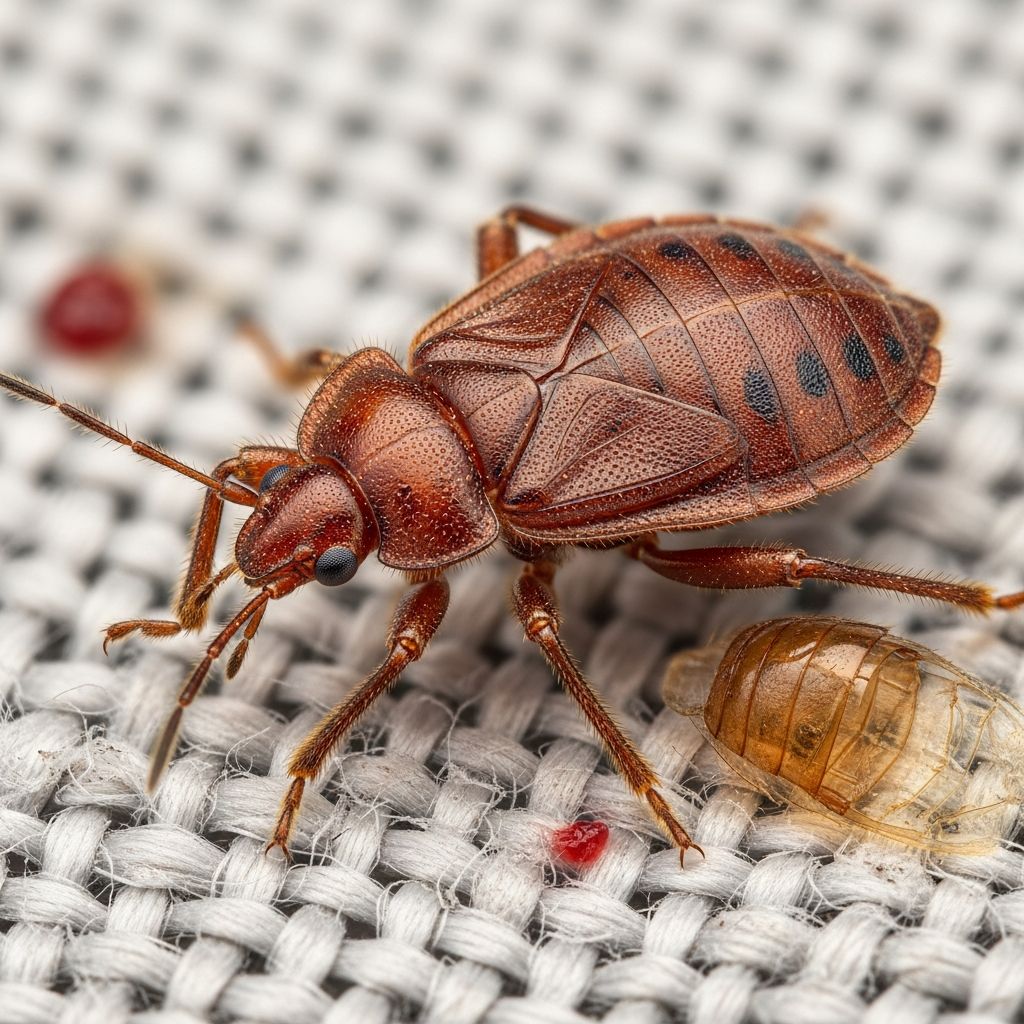
Bed bugs, those notorious nocturnal blood-feeders, do not spontaneously appear in homes. Instead, they hitchhike on everyday items carried by unsuspecting people. Understanding their entry points is crucial for effective prevention and control. This article explores the key pathways of bed bug introduction, their preferred habitats, biological traits, and practical strategies to safeguard your living spaces.
Primary Pathways: How Bed Bugs Invade Homes
Bed bugs thrive in human-populated areas, spreading primarily through human activity rather than independent migration. They excel at concealing themselves in small spaces, making detection challenging until populations grow.
- Travel-Related Introduction: Hotels, motels, hostels, and cruise ships are hotspots where bed bugs lurk in bedding and furniture. Travelers unknowingly transport them home via luggage, clothing, or purses.
- Public Spaces: Apartments, dormitories, shelters, public transit like buses and trains, and even movie theaters facilitate spread as bugs cling to backpacks or coats.
- Secondhand Acquisitions: Used mattresses, furniture, and boxes from thrift stores or online marketplaces often harbor hidden infestations.
In multi-unit buildings, bed bugs crawl through walls, ceilings, or shared utilities, turning one infested apartment into a complex-wide problem.
Biological Traits Fueling Their Resurgence
Bed bugs (Cimex lectularius) have ancient ties to humans, evolving from bat-feeding ancestors over millennia. Their flat bodies, no larger than apple seeds, allow them to squeeze into tiny cracks. They feed exclusively on blood, targeting sleeping hosts at night when CO2 and body heat signals peak within short ranges.
| Stage | Description | Duration (at room temp) |
|---|---|---|
| Egg | Tiny, white, laid in clusters | 6-10 days |
| Nymph (5 instars) | Grows larger, molts after each blood meal | 1 month total |
| Adult | Reddish-brown, lives 6-12 months | Up to 1 year |
Females lay hundreds of eggs, accelerating infestations. Insecticide resistance and reduced pest control in public spaces have contributed to their global comeback, alongside increased travel.
Common Hiding Spots: Where Bed Bugs Thrive
These pests avoid light, congregating near sleep areas. About 85% of infestations center on beds, with the rest in nearby furniture or walls.
- Mattresses, box springs, and headboards: Seams and tufts provide perfect cover.
- Upholstered furniture: Crevices in sofas, chairs, and cushions.
- Clutter zones: Piles of clothes, boxes, or books.
- Wall anomalies: Behind loose wallpaper, peeling paint, or baseboards.
- Electrical fixtures: Inside outlet plates or switch covers.
They do not nest like ants but scatter individually, making thorough inspections essential.
Debunking Myths: What Doesn’t Cause Bed Bugs
Contrary to popular belief, bed bugs signal no hygiene failure—they infest clean and cluttered homes alike.
- Not from pets: Unlike fleas, they shun animals, preferring human blood.
- Not outdoor dwellers: Rarely found in nature; human structures are their domain.
- Not dirt indicators: Present in luxury hotels as much as rundown buildings.
Filth flies or cockroaches might co-occur, but bed bugs arrive via transport, not poor housekeeping.
Signs of an Emerging Infestation
Early detection hinges on recognizing subtle clues before bites multiply.
- Bite marks: Red, itchy welts in lines or clusters on exposed skin.
- Fecal spots: Tiny black dots on sheets or walls, rust-colored when smeared.
- Shed skins: Translucent nymph husks near hiding spots.
- Musty odor: Sweet, coriander-like smell in heavy cases.
- Live bugs: Crawling at night; use a flashlight for checks.
Monitor high-risk items post-travel: Unpack luggage in a bathtub and vacuum thoroughly.
Prevention Blueprint: Proactive Steps
Minimize risks with these layered defenses.
| Risk Source | Action Items |
|---|---|
| Travel | Inspect hotel beds; bag clothes in plastic; wash/dry on high heat upon return. |
| Secondhand Goods | Freeze items at 0°F for 4 days or steam-clean; avoid mattresses without encasements. |
| Home Vigilance | Use mattress covers; reduce clutter; vacuum weekly; caulk cracks. |
| Multi-Unit Living | Alert management to suspicious signs; don’t move items between units. |
Encasements seal mattresses, starving trapped bugs. Heat treatments (above 118°F) kill all stages effectively.
Professional Intervention: When DIY Fails
Over-the-counter sprays often fail due to resistance; pros use integrated pest management (IPM), combining heat, vacuuming, and targeted insecticides. Expect multiple visits for monitoring. Costs vary, but early action saves money—infestations double weekly without control.
Frequently Asked Questions (FAQs)
Can bed bugs survive in cold climates?
Yes, they enter dormancy below 55°F but revive in warmth; freezing infested items kills them.
Do bed bugs spread diseases?
No verified human diseases, though bites cause allergic reactions or secondary infections.
How quickly do bed bug populations grow?
A single female can spawn hundreds in months; full cycle takes 4-5 weeks at 80°F.
Are bed bug bites dangerous?
Mostly itchy; severe allergies rare. Clean bites to prevent infection.
Can I treat bed bugs myself?
Small cases maybe, but pros recommended for thorough eradication.
Global Trends and Future Outlook
Bed bug reports surged post-1990s due to travel booms and pesticide bans favoring non-chemical controls. Urban density exacerbates spread in cities. Ongoing research focuses on non-toxic lures and genetic tracking for faster detection. Stay informed via extension services like those from universities.
In summary, vigilance trumps reaction. By understanding invasion routes—from luggage tags to thrift finds—you reclaim control over your sanctuary.
References
- What is the main cause of bed bugs? — Orkin. 2023. https://www.orkin.com/ask-orkin/what-is-the-main-cause-of-bed-bugs
- Bedbugs – Symptoms and causes — Mayo Clinic. 2024-01-10. https://www.mayoclinic.org/diseases-conditions/bedbugs/symptoms-causes/syc-20370001
- What Causes Bedbugs? Identifying and Dealing with Them — Healthline. 2023. https://www.healthline.com/health/what-causes-bed-bugs
- Bed Bugs — UC IPM (University of California). 2024. https://ipm.ucanr.edu/home-and-landscape/bed-bugs/
- Know The Facts: Bed Bugs — Purdue University Extension Entomology. 2022. https://extension.entm.purdue.edu/bedbugs/knowTheFacts.php
- Bedbugs: How to Identify and Prevent an Infestation — WebMD. 2024. https://www.webmd.com/skin-problems-and-treatments/bedbugs-infestation
- About Bed Bugs — CDC (Centers for Disease Control and Prevention). 2023-08-23. https://www.cdc.gov/bed-bugs/about/index.html

- Integrated M.A. in Applied Linguistics, University of Hyderabad
- 5+ years in editorial, instructional, SEO, and research-based writing
Sneha is a relationships and lifestyle writer with a strong foundation in applied linguistics and certified training in relationship coaching. She brings over five years of writing experience to theskillvault, crafting thoughtful, research-driven content that empowers readers to build healthier relationships, boost emotional well-being, and embrace holistic living. Her writing and insights reflect the belief that beauty, happiness, and wellness…