
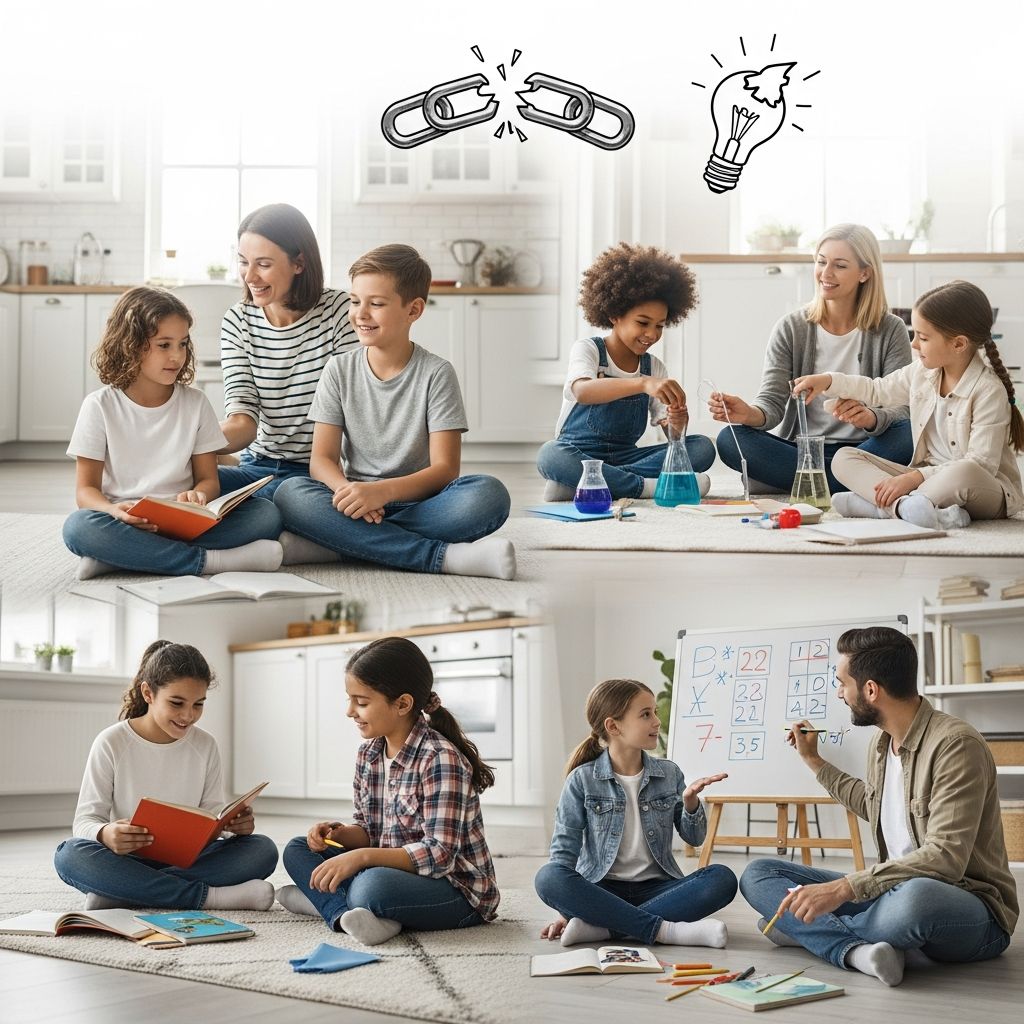
Homeschooling has surged in popularity, offering families a tailored approach to education amid evolving needs. Yet, persistent misconceptions deter many parents from considering it. This article dismantles the most common myths, drawing on reliable data to reveal homeschooling’s strengths in fostering academic excellence, social development, and lifelong skills.
Understanding the Rise of Homeschooling
Once viewed as an alternative for niche groups, homeschooling now serves millions worldwide. Flexible schedules, personalized learning, and access to digital tools make it viable for diverse families. Despite growth, myths persist, often rooted in outdated views of traditional schooling. Addressing these head-on empowers informed decisions.
Myth 1: Homeschooled Children Suffer from Poor Socialization
The notion that homeschooled kids lack social skills stems from assuming school is the sole venue for interaction. In reality, homeschoolers engage through co-ops, sports, arts programs, library events, scouts, and community volunteering. These diverse settings build broader networks beyond age-segregated classrooms.
- Co-ops mimic school clubs with peer collaboration.
- Community sports and clubs promote teamwork.
- Volunteering exposes kids to varied age groups and real-world roles.
Studies affirm homeschoolers often excel socially, forming meaningful relationships in flexible environments.
Myth 2: Home Education Lags Behind Traditional Schooling Academically
Critics claim homeschooling cannot match structured school rigor. Evidence contradicts this: homeschoolers consistently outperform peers on standardized tests. The National Home Education Research Institute reports higher achievement across demographics, attributing success to customized pacing and focus on mastery.
Key advantages include:
- Individualized curricula addressing strengths and gaps.
- Shorter, efficient learning sessions yielding deeper retention.
- Integration of real-life applications for practical knowledge.
Myth 3: Parents Lack Qualifications to Teach
A frequent worry is that non-certified parents cannot deliver quality instruction. Parents serve as children’s inaugural educators, intuitively adapting to unique learning styles from infancy. Comprehensive curricula, online platforms, and support networks equip any motivated parent.
Modern tools bridge expertise gaps:
| Resource Type | Benefits |
|---|---|
| Structured Curricula | Step-by-step guides with lesson plans |
| Online Academies | Expert-led classes in specialized subjects |
| Co-op Groups | Shared teaching among parents |
Myth 4: Homeschoolers Miss Extracurricular Opportunities
Far from isolation, homeschool flexibility enables abundant extracurriculars. Families pursue passions like music, dance, robotics, or debate without rigid schedules. Many join school-affiliated teams or private leagues, gaining leadership experience.
Myth 5: Homeschooling Suits Only Specific Family Types
Stereotypes link it to religious or affluent households. Diverse families—urban, rural, single-parent, secular—thrive with homeschooling. It’s adaptable to budgets via free resources and libraries.
Myth 6: Financial Barriers Make It Unaffordable
Costs vary, but many succeed affordably. Public libraries, open-source materials, and second-hand books minimize expenses. Some states offer stipends; online options provide value without high tuition.
Budget comparison:
| Category | Homeschool Avg. Cost/Year | Public School Avg. |
|---|---|---|
| Curriculum | $300–$800 | $0 (tax-funded) |
| Activities | $200–$500 | $100–$300 |
| Total | $500–$1,500 | $10,000+ per pupil |
Myth 7: College Admissions Favor Traditional Students
Universities actively recruit homeschoolers, recognizing their self-motivation. Institutions like Harvard, Stanford, and MIT value transcripts, portfolios, and test scores. Homeschoolers graduate college at higher rates.
Myth 8: Parents Must Master Every Subject
With older students, outsourcing via online courses or tutors is common. Parents facilitate rather than lecture exclusively, leveraging platforms with subject specialists.
Myth 9: Gaps Emerge Without Formal Oversight
Structured programs track progress via assessments and portfolios. Parents adjust dynamically, preventing inconsistencies. Alignment with state standards ensures completeness.
Myth 10: It Fails to Prepare for Real-World Challenges
Homeschoolers immerse in daily life: chores, budgeting, volunteering. Flexible days teach time management and adaptability better than bells dictate.
Benefits Outweighing the Myths
Beyond debunking, homeschooling offers customization, family bonding, and resilience-building. Data from the National Home Education Research Institute shows superior outcomes in academics and well-being.
Practical Tips for Starting Homeschooling
- Research state laws and requirements.
- Select a curriculum fitting your child’s style.
- Join local co-ops for support.
- Track progress with journals and tests.
- Balance structure with flexibility.
FAQs
What age is best to start homeschooling?
Any age works; transitions succeed with planning. Early years benefit from parental attunement.
How do I create a homeschool schedule?
Design around family rhythm: 2–4 hours daily core learning, plus pursuits. Adapt weekly.
Can single parents homeschool?
Yes, with online support, co-ops, and flexible work.
Does homeschooling affect sports eligibility?
Many districts include homeschoolers; check local rules.
How to transition back to traditional school?
Portfolios and tests ease re-entry; gradual steps help.
Homeschooling transforms education into a family adventure, dispelling myths with proven results. Families report stronger bonds and confident learners ready for futures.
References
- Top 6 Myths about Homeschooling — Classical Conversations. 2023. https://classicalconversations.com/blog/top-myths-about-homeschooling/
- Top 10 Myths About Homeschooling: Debunked with Facts — 21K School. 2024. https://www.21kschool.com/us/blog/myths-about-homeschooling/
- Homeschool Myths Dispelled — Today’s Christian Living. 2023. https://todayschristianliving.org/homeschool-myths-dispelled/
- 8 Homeschool Myths That Make Me Smile — Simple Homeschool. 2024. https://simplehomeschool.net/homeschool-myths/

Medha Deb is an editor with a master's degree in Applied Linguistics from the University of Hyderabad. She believes that her qualification has helped her develop a deep understanding of language and its application in various contexts. Medha specializes in the areas of beauty, health, sports, and wellness and is committed to ensuring that the content on the website is…