
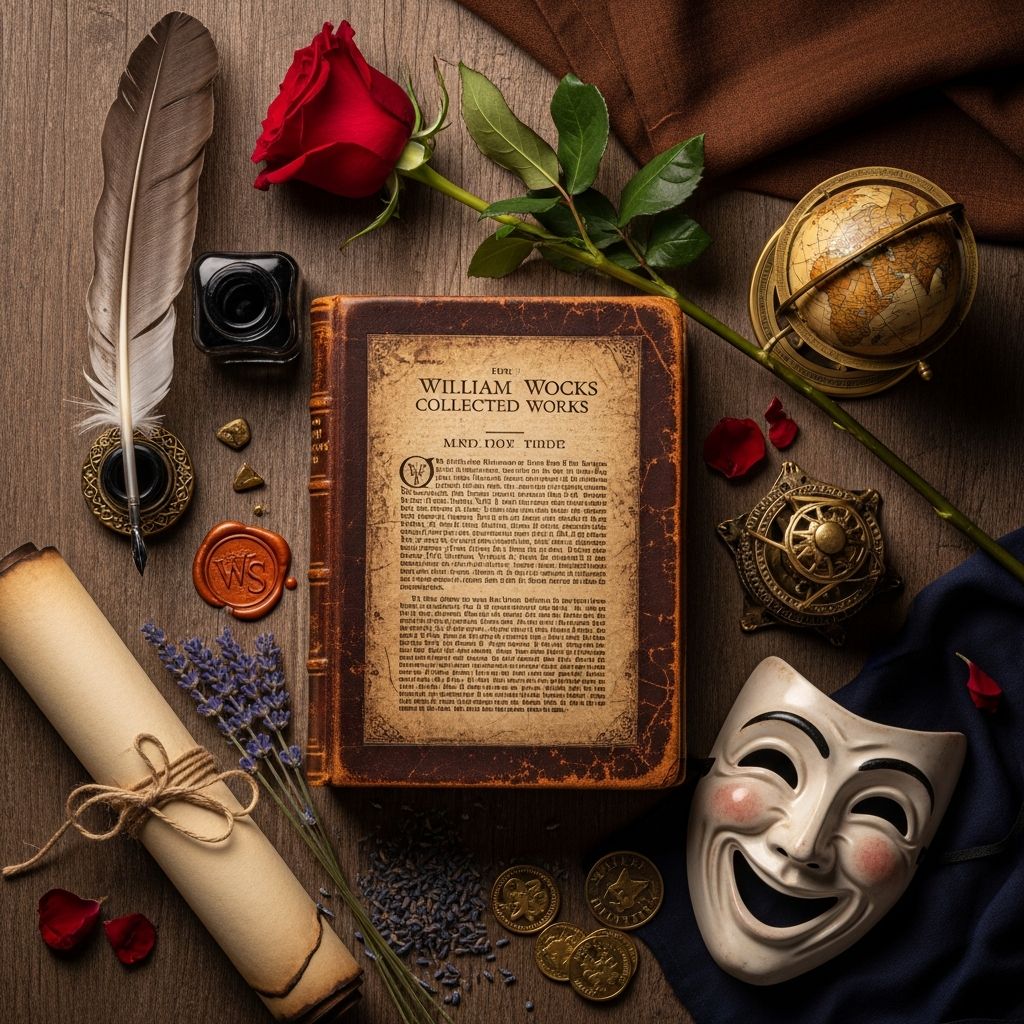
William Shakespeare’s birthday, traditionally marked on April 23, offers a perfect opportunity to immerse yourself in the world of one of history’s greatest playwrights. Born in 1564 in Stratford-upon-Avon, Shakespeare penned timeless works that continue to captivate audiences worldwide. Whether you’re planning a solo reflection, a family gathering, or a classroom event, this guide provides fresh, engaging ways to pay tribute. From dramatic reenactments to artistic creations, these ideas blend education with entertainment, ensuring a memorable commemoration.
The Legacy of Shakespeare’s Birthdate
Historians pinpoint April 23 as Shakespeare’s likely birthdate based on his baptism record from April 26, 1564—a common three-day gap in Elizabethan times. Remarkably, he also passed away on this date in 1616, making it a dual milestone of birth and legacy. Annual celebrations, like those in Stratford-upon-Avon, draw global visitors with parades and performances, evolving from 18th-century jubilees into vibrant modern traditions.
Today, institutions such as the Folger Shakespeare Library host free events featuring cupcakes, puppet shows, and dances, fostering community spirit around the Bard’s enduring influence. These gatherings highlight how Shakespeare’s themes of love, power, and humanity remain relevant, inspiring new generations to engage with his canon.
Performing Shakespeare’s Words Aloud
Nothing captures the essence of Shakespeare like hearing his language come alive. Start with simple recitations: select iconic soliloquies such as Hamlet’s “To be or not to be” or Juliet’s balcony plea. Gather participants to deliver lines in chorus, alternating voices for rhythmic effect. This choral approach builds confidence and reveals the poetry’s musicality.
For deeper involvement, stage abbreviated scenes from plays like Twelfth Night or A Midsummer Night’s Dream. Edit scripts to fit time constraints—focus on key exchanges—and assign roles spontaneously. Add Elizabethan dances or sword-fighting demos, mimicking professional events, to heighten the theatrical flair. No costumes? Improvise with household items for authenticity.
- Choose speeches from Romeo and Juliet, Macbeth, or sonnets for quick practices.
- Record performances for sharing on social media, tagging #ShakespeareBirthday.
- Host a “speech showdown” where groups compete on delivery and interpretation.
Visual Tributes: Art and Poses
Channel creativity through visual arts inspired by Shakespeare’s universe. Recreate famous tableaux vivants—frozen scenes from plays like Macbeth or King Lear—using friends as living statues. Pose as characters: Hamlet with a makeshift skull, Ophelia clutching herbs, or Puck in mischievous glee. Snap selfies in these guises for a modern twist.
Drawing and crafting amplify the fun. Provide coloring pages of Shakespearean motifs—portraits, props like daggers or feathers—from library collections. Encourage original illustrations: comic strips of plot twists or dioramas of Verona’s streets. For groups, collaborate on murals depicting play timelines.
| Art Idea | Materials Needed | Time Estimate |
|---|---|---|
| Character Selfie | Phone/camera, props | 10 minutes |
| Tableau Vivant | Group of 3-6 people | 20 minutes |
| Play-Inspired Drawing | Paper, markers, coloring sheets | 30-45 minutes |
| Comic Strip | Paper, pencils | 1 hour |
Crafting Your Own Shakespearean Sonnet
Shakespeare composed 154 sonnets, masterpieces of 14 lines in iambic pentameter with an ABAB CDCD EFEF GG rhyme scheme. Challenge yourself or others to pen one honoring the Bard—perhaps praising his wit or imagining his 462nd birthday. Start with a theme like legacy or love, then build volta (turn) in line 9 for drama.
Example starter: “On this April day, when spring blooms anew, / We raise our quills to the Bard so true…” Share entries in a reading circle or competition, echoing Folger traditions. This exercise sharpens language skills while connecting directly to Shakespeare’s form.
Festive Feasts and Party Vibes
Transform celebrations into Elizabethan banquets. Bake themed treats: skull-shaped cookies for Hamlet, star-adorned cakes for Twelfth Night, or moon pastries nodding to A Midsummer Night’s Dream. Decorate tables with play quotes on placards and paper ruffs as napkins.
Incorporate games: sonnet charades, where players act out lines blindly; or a “quote hunt” matching phrases to plays. For authenticity, serve ale-inspired drinks (non-alcoholic for kids) and hearty fare like roasted meats or pies, evoking Globe Theatre picnics. End with a group “Happy Birthday” sing-along to Shakespeare.
Educational Twists for Classrooms and Groups
Educators can leverage the date for immersive lessons. Distribute poetry anthologies for group performances of sonnets or speeches, discussing fame and phrasing. Try “character switcheroo,” swapping roles mid-scene to explore motivations, or “trial by text,” debating plot justice with evidence from lines.
Incorporate tech: Create Shakespearean social media posts—tweets as Iago scheming or Instagram captions from Lady Macbeth. These activities blend fun with analysis, making literature accessible.
- Poetry performance relays.
- Social media role-play challenges.
- Debate famous quotes’ modern relevance.
Community and Global Events
Join established festivities for inspiration. Stratford-upon-Avon’s 2026 parade on April 25-26 features processions and international performers. The Folger’s 2025 event includes printing demos, puppetry, face painting, lawn games, and cupcakes at 2:45pm—free with suggested donations. Virtual options abound: stream Globe Theatre plays via on-demand services.
Host your parade: March with banners quoting sonnets, inviting neighbors. Or organize online sonnet slams via video calls, uniting global fans.
Frequently Asked Questions (FAQs)
What is the exact date of Shakespeare’s birthday?
April 23 is traditionally celebrated, inferred from his April 26, 1564 baptism and customs of the era.
Are there free events for Shakespeare’s birthday?
Yes, Folger Library offers no-ticket family activities like dances and cupcakes.
How can kids participate in celebrations?
Through coloring, puppet shows, games, and simple recitations tailored to their age.
Can I celebrate virtually?
Absolutely—watch play recordings, share online art, or join digital parties.
What if I want to write a sonnet?
Follow the 14-line structure with iambic pentameter and specific rhymes; examples abound online.
Planning Your Perfect Tribute
Tailor activities to your group’s size and interests: intimate readings for duos, full parties for crowds. Source free resources like Folger coloring pages or public-domain texts. Emphasize inclusivity—adapt for all ages and abilities. By blending performance, art, writing, and feasting, you’ll not only honor Shakespeare but also discover why his words endure.
Extend the fun year-round: revisit plays, form reading groups, or visit Stratford virtually. Shakespeare’s birthday ignites passion for literature, reminding us of storytelling’s power.
References
- Shakespeare’s Birthday Celebration 2025 — Folger Shakespeare Library. 2025. https://www.folger.edu/whats-on/shakespeares-birthday-celebration-2025/
- How to celebrate Shakespeare’s birthday — Folger Shakespeare Library. N/D. https://www.folger.edu/explore/shakespeares-birthday/
- Shakespeare’s Birthday Parade 2026 — Shakespeare’s Celebrations. 2026. https://www.shakespearescelebrations.com/whats-on/shakespeares-birthday-celebration-parade/
- 10 Ways to Celebrate Shakespeare’s Birthday — English and Media Centre. N/D. https://www.englishandmedia.co.uk/blog/10-ways-to-celebrate-shakespeare-s-birthday/
- Happy (459th) Birthday Shakespeare! — Shakespeare’s Globe. 2023-04-23. https://www.shakespearesglobe.com/discover/blogs-and-features/2023/04/23/happy-459th-birthday-shakespeare/

- Integrated M.A. in Applied Linguistics, University of Hyderabad
- 5+ years in editorial, instructional, SEO, and research-based writing
Sneha is a relationships and lifestyle writer with a strong foundation in applied linguistics and certified training in relationship coaching. She brings over five years of writing experience to theskillvault, crafting thoughtful, research-driven content that empowers readers to build healthier relationships, boost emotional well-being, and embrace holistic living. Her writing and insights reflect the belief that beauty, happiness, and wellness…