
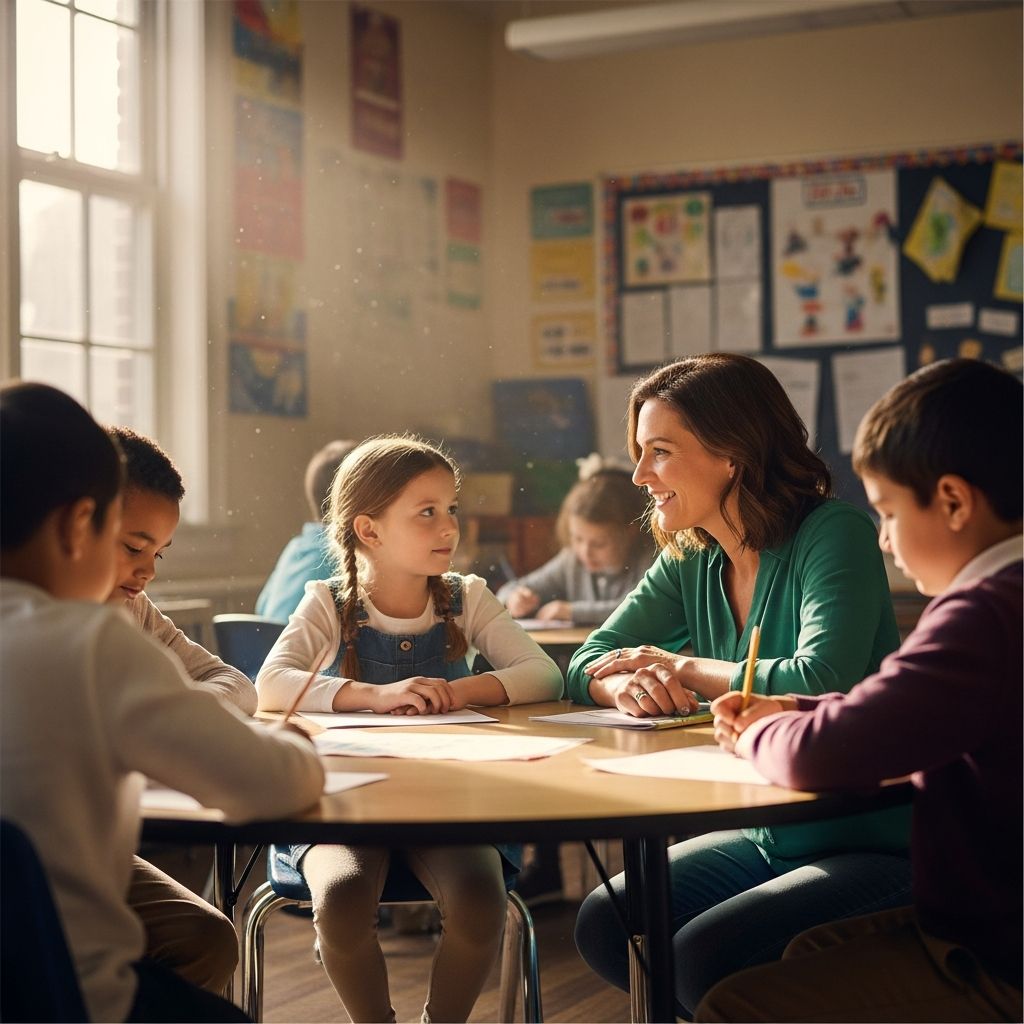
Effective teaching goes beyond delivering lessons; it involves creating genuine connections that make students feel valued and supported. Research shows that strong teacher-student relationships improve motivation, engagement, and academic outcomes. This article outlines 10 actionable strategies to help educators forge these vital links, drawing from psychological theories like attachment and self-esteem, which emphasize the need for secure, supportive environments.
Understanding the Foundation of Classroom Connections
Positive relationships provide students with a secure base, allowing them to take risks in learning and recover from setbacks. Theories such as social cognitive theory highlight how teachers model behaviors through encouragement and feedback, while self-esteem theory stresses meeting students’ needs for competence, autonomy, and relatedness. When these elements are in place, students become more motivated and resilient. Greetings like a daily “hello” with a smile set a welcoming tone, fostering trust from day one.
Strategy 1: Personalize Your Approach to Each Student
Every student brings unique backgrounds, interests, and challenges to the classroom. Taking time to learn about them—such as their hobbies or family life—builds confidence and a sense of belonging. Simple acts like using their preferred name or referencing a shared interest during lessons validate their individuality. Personalized lessons tailored to their needs ensure they feel seen, which is crucial for self-esteem and engagement.
- Conduct brief one-on-one chats at the start of the year.
- Ask open-ended questions about their goals and aspirations.
- Adapt assignments to incorporate their personal interests where possible.
Strategy 2: Deliver Constructive and Timely Feedback
Feedback is a cornerstone of growth, but it must be meaningful and consistent to strengthen bonds. Provide specific, actionable comments that affirm strengths and guide improvements, ensuring equal attention across all students. Avoid focusing solely on struggling learners; balanced feedback prevents feelings of neglect or over-scrutiny. When delivered with empathy, it models positive communication and boosts competence.
| Feedback Type | Purpose | Example |
|---|---|---|
| Positive Reinforcement | Builds confidence | “Your analysis showed deep understanding—great job connecting ideas!” |
| Constructive Guidance | Encourages growth | “Try adding more evidence here to strengthen your argument.” |
| Autonomy-Focused | Promotes independence | “What do you think would improve this section?” |
Strategy 3: Cultivate a Sense of Classroom Community
Group activities break down barriers and help students appreciate diverse perspectives. Random team assignments for collaborative tasks encourage interaction and highlight peers’ strengths, fostering mutual respect. Emphasize positive group experiences to build a supportive network where everyone contributes.
- Organize team-building challenges like shared projects.
- Facilitate reflections on what worked well in groups.
- Celebrate collective achievements to reinforce unity.
Strategy 4: Initiate Fun Icebreaker Activities
Low-stakes games spark quick connections. In the “Find Me” card game, students write unique facts about themselves, mingle to match cards, and chat—promoting 20-30 minutes of meaningful exchanges. Beach ball tosses with questions like “Favorite food?” add playfulness during circle time. These activities make the classroom feel approachable and enjoyable.
Strategy 5: Embrace Humor and Light-Hearted Moments
Laughter humanizes teachers and relaxes the atmosphere. Sharing jokes, funny anecdotes, or light-hearted class moments creates relatability. A sense of humor shows authenticity, encouraging students to be themselves without fear of judgment.
“Laughter is a universal connector that brings teachers and students closer.”
Strategy 6: Hold Regular Check-Ins and Conversations
Short, genuine talks about non-academic topics—like a student’s shirt design or hobby—leave lasting impressions. Daily check-ins via quick questions demonstrate care, building trust over time. One-on-one virtual or in-person sessions allow for personalized feedback and understanding individual progress.
Strategy 7: Involve Students in Decision-Making
Empower students by co-creating class rules or selecting activities. Interactive sessions where they suggest guidelines increase buy-in and accountability. Flexibility within a structured framework shows respect for their input, deepening connections.
Strategy 8: Leverage Technology for Ongoing Engagement
Digital tools like shared Google Docs enable real-time feedback and goal-tracking. Comments on documents spark conversations, even among peers, personalizing support. Use apps for fun quizzes or collaborative editing to maintain bonds in hybrid settings.
Strategy 9: Show Respect to Teenagers’ Emotions
Adolescents navigate intense emotions and need validation. Listen sensitively, acknowledge opinions, and guide conflict resolution with positivity. Providing a “silver lining” helps them overcome challenges, reinforcing your role as a supportive ally.
Strategy 10: Partner with Parents for Holistic Support
Family involvement aligns home and school expectations, strengthening the educational triangle. Regular updates and collaborative events show coherence, benefiting students’ emotional and academic growth.
Frequently Asked Questions (FAQs)
What makes teacher-student relationships so important?
They provide a secure base for learning, boost motivation via self-esteem needs, and model positive behaviors, leading to better academic performance.
How can busy teachers find time for personal connections?
Incorporate quick greetings, check-ins, and icebreakers into routines; short conversations have outsized impact.
Are these strategies effective in online classrooms?
Yes, tools like shared docs and one-on-one video sessions maintain personalization and engagement digitally.
What if a student resists building a connection?
Persist with consistent, non-intrusive efforts; respect boundaries while showing genuine interest over time.
Can humor backfire in the classroom?
When appropriate and inclusive, it builds rapport; avoid sarcasm and gauge the group’s comfort level.
Implementing These Strategies for Long-Term Impact
Consistency is key—integrate these approaches daily to transform your classroom into a thriving community. Track progress through student feedback and adjust as needed. Strong bonds not only enhance learning but also create lifelong positive associations with education.
Word count: 1678 (excluding metadata and references).
References
- 8 Ways to build stronger connections in the classroom — Cypher Learning K-20 Blog. 2023-05-15. https://www.cypherlearning.com/blog/k-20/positive-student-teacher-relationships-8-ways-to-build-stronger-connections-in-the-classroom
- 10 Tips to Connect with Your Students — Education World. 2022-08-10. https://www.educationworld.com/teachers/10-tips-connect-your-students
- 9 Tips for Building Relationships with Students — Western Governors University (WGU) Blog. 2023-04-25. https://www.wgu.edu/blog/9-tips-building-relationships-students2504.html
- 22 Fun Ways to Spark Classroom Connections — Edutopia. 2023-09-12. https://www.edutopia.org/article/fun-ways-students-get-to-know-each-other/
- 8 Ways to Build Student-Teacher Relationships From the Start — Mobile Ed Productions Blog. 2022-11-01. https://www.mobileedproductions.com/blog/8-ways-to-build-student-teacher-relationships-from-the-start
- 9 tips for making personal connections with students in a digital classroom — Truth for Teachers. 2021-10-20. https://truthforteachers.com/making-student-online-connections/

- Integrated M.A. in Applied Linguistics, University of Hyderabad
- 5+ years in editorial, instructional, SEO, and research-based writing
Sneha is a relationships and lifestyle writer with a strong foundation in applied linguistics and certified training in relationship coaching. She brings over five years of writing experience to theskillvault, crafting thoughtful, research-driven content that empowers readers to build healthier relationships, boost emotional well-being, and embrace holistic living. Her writing and insights reflect the belief that beauty, happiness, and wellness…