
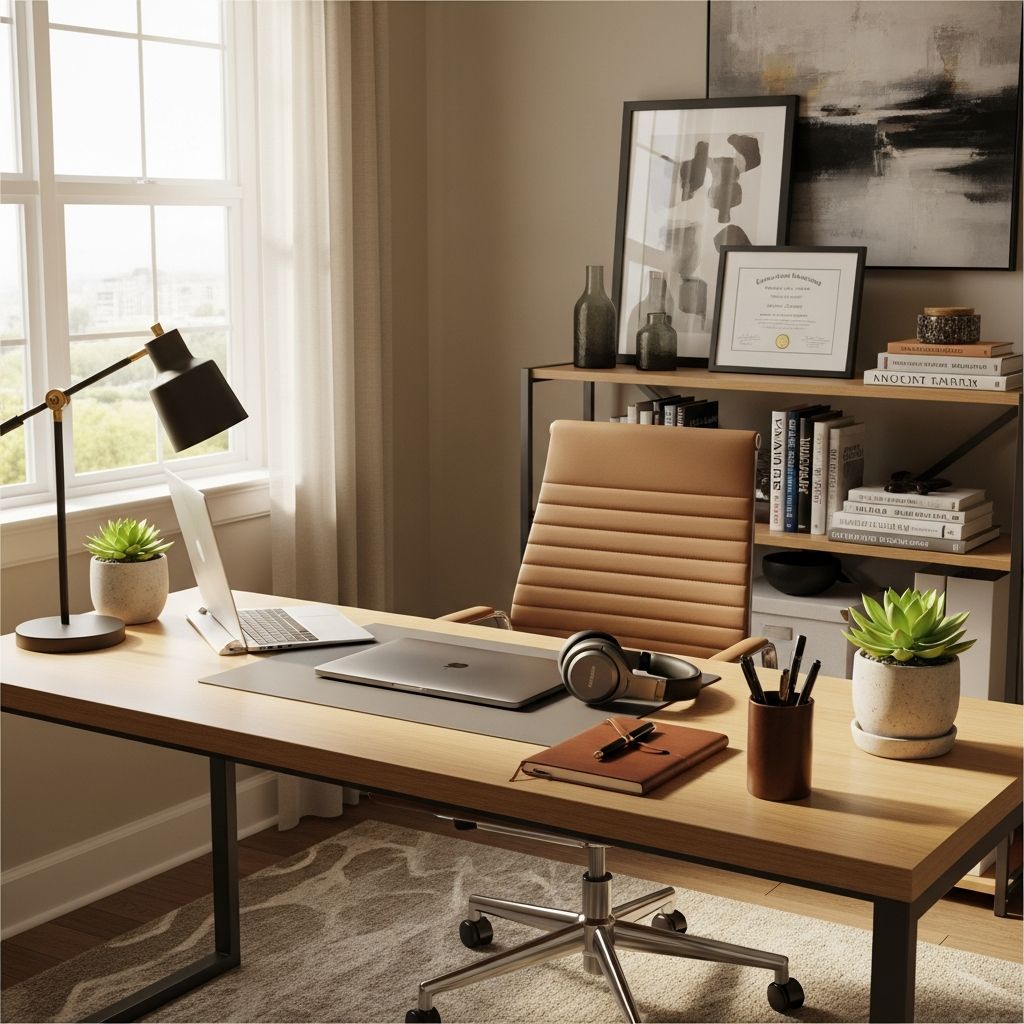
High achievers craft their living environments to support peak performance, embedding tools and spaces that reinforce discipline, creativity, and balance. These elements transform ordinary homes into productivity powerhouses, enabling sustained success amid daily demands.
Creating a Foundation for Daily Wins
Success stems from intentional design. Top performers prioritize setups that minimize friction in routines, fostering momentum from morning to evening. By integrating specific items, they align their physical space with mental goals, turning homes into extensions of their ambition.
This approach draws from established productivity principles, where environment shapes behavior. Research from organizational psychology highlights how optimized spaces reduce decision fatigue and amplify output.
1. Dedicated Fitness Zone
A compact area for physical activity is non-negotiable. Whether a set of resistance bands, a stability ball, or cleared floor space for bodyweight routines, this setup ensures movement is accessible regardless of schedule or weather.
Regular exercise sharpens cognition and combats sedentary risks. The Centers for Disease Control and Prevention (CDC) recommends at least 150 minutes of moderate activity weekly, noting improved focus and energy as key benefits. High achievers use home fitness tools to integrate this seamlessly, often starting days with quick sessions to prime their minds.
- Benefits: Boosts endorphins, enhances sleep quality, and builds resilience.
- Setup tips: Position near natural light; include storage for gear to maintain tidiness.
- Proven impact: Executives report 20-30% productivity gains from consistent movement.
2. Noise-Canceling Headphones
To conquer distractions, successful individuals stock premium headphones that block ambient noise. These devices create an auditory sanctuary, ideal for deep work during household bustle.
Studies from the American Psychological Association show noise pollution elevates stress hormones, impairing concentration. Headphones with active noise cancellation restore focus, allowing immersion in tasks without relocation.
| Feature | Benefit |
|---|---|
| ANC Technology | Reduces external sounds by up to 95% |
| Comfort Fit | Supports hours-long sessions |
| Wireless Option | Eliminates cord clutter |
3. Ergonomic Command Center
A purpose-built workstation with adjustable height promotes dynamic postures. Standing desks or convertible surfaces allow seamless shifts between sitting and standing, countering prolonged desk time’s health tolls.
The Mayo Clinic warns that extended sitting correlates with cardiovascular issues and metabolic slowdowns. Versatile setups encourage micro-movements, sustaining alertness and spinal health.
4. Reliable Wired Connectivity Hub
Stable, hardwired internet and phone lines form the backbone of remote efficiency. Unlike variable Wi-Fi, these ensure uninterrupted video calls and data transfers.
- Advantages: Minimal latency for professional communications.
- Installation: Ethernet ports and landline jacks near workspaces.
- Fallback: UPS battery backups prevent outages.
5. Goal Visualization Dashboard
Prominent displays like digital screens or magnetic boards showcase progress metrics, milestones, and aspirations. Visual cues reinforce motivation, turning abstract ambitions into tangible pursuits.
Cognitive science from Harvard Business Review indicates that visualized goals increase achievement rates by 42%, as they activate the brain’s reticular activating system for opportunity spotting.
6. Curated Reading Nook
A cozy corner stocked with growth-oriented books and journals invites daily learning. Successful minds treat knowledge acquisition as a habit, dedicating time to insights from leaders and innovators.
The World Economic Forum emphasizes lifelong learning for career longevity, with readers gaining 20% higher problem-solving skills per OECD data.
7. Tech-Free Dining Area
A distraction-free table encourages mindful meals and family dialogues. Banning screens here nurtures relationships, vital for emotional recharge.
Family rituals like shared dinners correlate with better mental health, per longitudinal studies from Columbia University.
8. Analog Note-Taking Station
Quality notebooks and pens capture fleeting ideas without digital interruptions. This tactile method enhances retention and sparks creativity.
- Why it works: Handwriting engages more brain regions than typing, boosting memory encoding.
- Usage: Morning brain dumps or evening reflections.
9. Morning Ritual Kit
Elements like a quality coffee maker, meditation cushion, and planner kickstart optimized days. Routines set positive tones, as evidenced by executive surveys.
10. Boundary-Setting Separation
Distinct zones for work, rest, and play train the brain for context-switching. Doors or screens signal transitions, preserving mental clarity.
Google’s productivity experts advocate zoned environments to double efficiency by cueing focus modes.
11. Evening Wind-Down Space
A serene area with dim lighting and non-screen activities facilitates recovery. High performers protect sleep hygiene for next-day dominance.
12. Minimalist Progress Tracker
Simple charts or apps logging habits provide accountability. Tracking streaks builds unbreakable momentum.
Integrating These for Maximum Impact
Adopt these incrementally, starting with high-ROI items like fitness tools and workspaces. Customize to your lifestyle while measuring outcomes via journals. Over time, these create a flywheel of productivity and fulfillment.
Challenges include space constraints; solutions involve multifunctional furniture. Consistency trumps perfection—small integrations yield compounding returns.
Frequently Asked Questions (FAQs)
What is the most essential item for home productivity?
A dedicated, distraction-free workspace tops the list, as it enables deep focus and clear work-life boundaries.
How do successful people use visualization tools?
They display goals and milestones on boards or walls to maintain daily motivation and track progress visually.
Why prioritize physical activity at home?
Home exercise ensures consistency, combating sedentary lifestyles and boosting cognitive function per CDC guidelines.
Can small homes accommodate these setups?
Yes, via multifunctional items like foldable desks and wall-mounted boards to maximize limited space.
How does a tech-free dining area help?
It promotes family bonds and mindful eating, reducing stress and enhancing overall well-being.
References
- 11 Items Successful People Have at Home — Lifehack.org. 2016-05-12. https://www.lifehack.org/articles/productivity/11-items-successful-people-have-home.html
- 14 Things Ridiculously Successful People Do Every Day — TalentSmartEQ. 2023-08-15. https://www.talentsmarteq.com/14-things-ridiculously-successful-people-do-every-day/
- 12 Habits of Successful People Working Out of Their Home — Entrepreneur. 2023-10-20. https://www.entrepreneur.com/living/12-habits-of-successful-people-working-out-of-their-home/426696
- 9 Daily Habits Highly Successful People Have in Common — Business Insider. 2026-01-15. https://www.businessinsider.com/daily-routines-successful-business-people-share-power-hours-2026-1
- Physical Activity Guidelines for Americans — Centers for Disease Control and Prevention (CDC). 2024-05-15. https://www.cdc.gov/physical-activity-basics/guidelines/adults.html
- Noise and Stress: A Comprehensive Approach — American Psychological Association. 2023-11-01. https://www.apa.org/topics/stress/noise
- Sitting Risks: How Harmful is Too Much Sitting? — Mayo Clinic. 2025-02-10. https://www.mayoclinic.org/healthy-lifestyle/adult-health/expert-answers/sitting/faq-20058005
- The Power of Visualization — Harvard Business Review. 2024-07-22. https://hbr.org/2024/07/the-power-of-visualization

- Integrated M.A. in Applied Linguistics, University of Hyderabad
- 5+ years in editorial, instructional, SEO, and research-based writing
Sneha is a relationships and lifestyle writer with a strong foundation in applied linguistics and certified training in relationship coaching. She brings over five years of writing experience to theskillvault, crafting thoughtful, research-driven content that empowers readers to build healthier relationships, boost emotional well-being, and embrace holistic living. Her writing and insights reflect the belief that beauty, happiness, and wellness…