
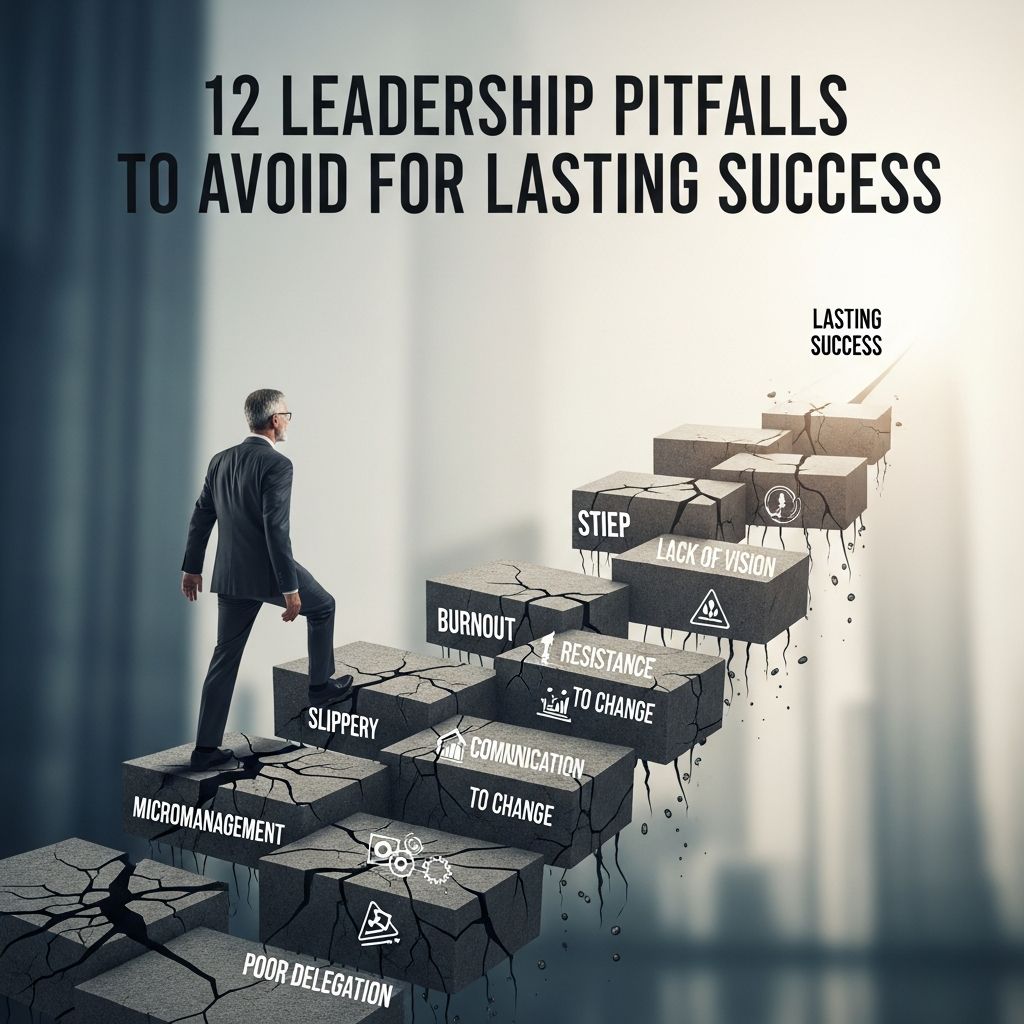
Exceptional leaders distinguish themselves not just by what they do, but by what they deliberately refrain from doing. Steering clear of common traps ensures teams thrive, trust flourishes, and organizations achieve enduring results. This article outlines 12 critical missteps that top performers avoid, drawing on proven leadership principles to guide your growth.
Understanding the Foundations of Effective Leadership
Great leadership hinges on self-awareness and adaptability. Leaders who succeed prioritize integrity and resilience, fostering environments where innovation and collaboration prosper. By avoiding counterproductive habits, they model behaviors that elevate performance across all levels.
1. Micromanaging Team Efforts
High-caliber leaders never hover over every detail of their team’s work. Micromanagement erodes trust and stifles autonomy, leading to disengagement and burnout. Instead, they delegate with clear expectations and provide resources for success.
Empowerment builds capability; teams grow when given space to innovate and problem-solve independently. Leaders focus on outcomes, not processes, which encourages ownership and boosts morale.
2. Ignoring Feedback from the Team
Outstanding leaders actively seek and act on input from all members, never dismissing diverse perspectives. Neglecting feedback creates blind spots and resentment, hindering progress.
- Conduct regular check-ins to gauge sentiment.
- Implement anonymous surveys for honest insights.
- Demonstrate responsiveness by adjusting based on suggestions.
This practice cultivates psychological safety, enabling candid dialogue and collective intelligence.
3. Leading with Ego Over Empathy
Ego-driven decisions prioritize personal glory over team welfare, a trap elite leaders evade. They practice humility, recognizing that true influence stems from empathy and shared success.
Empathetic leaders connect emotionally, understanding individual motivations and challenges. This fosters loyalty and unleashes potential, transforming groups into cohesive units.
4. Failing to Articulate a Clear Vision
Leaders who neglect to paint a compelling future picture leave teams directionless. Visionary guidance provides purpose and alignment, propelling efforts toward long-term goals.
Without it, initiatives fragment, motivation wanes. Great leaders communicate vision repeatedly, tying daily tasks to broader impact for sustained drive.
5. Avoiding Tough Decisions
Indecision paralyzes progress; superior leaders confront challenges decisively after thorough analysis. They weigh options, consult stakeholders, and commit to paths forward.
| Decision-Making Trap | Why Avoid It | Effective Alternative |
|---|---|---|
| Procrastination | Builds uncertainty | Set deadlines for choices |
| Over-reliance on consensus | Slows momentum | Balance input with authority |
| Ignoring data | Risks failure | Integrate facts and intuition |
6. Neglecting Personal Development
Complacency has no place in leadership; top performers commit to lifelong learning and self-reflection. Stagnation leads to obsolescence in dynamic environments.
They pursue coaching, read voraciously, and embrace feedback for growth. This agility ensures relevance and inspires teams to evolve similarly.
7. Undermining Team Autonomy
Great leaders resist the urge to override team decisions unnecessarily, trusting expertise earned through delegation. Over-control signals doubt, demotivating talent.
Instead, they set boundaries and step back, intervening only for strategic alignment. This autonomy accelerates innovation and accountability.
8. Prioritizing Short-Term Wins Over Sustainability
Focusing solely on immediate results sacrifices long-term health. Visionary leaders balance quick victories with enduring strategies, avoiding burnout cycles.
They invest in processes, culture, and development, ensuring scalability. Sustainable practices yield compounding returns and resilience against disruptions.
9. Failing to Celebrate Achievements
Overlooking milestones erodes enthusiasm; exceptional leaders recognize contributions publicly and privately. Gratitude reinforces behaviors and builds momentum.
- Host team recognitions.
- Personalize praise for impact.
- Tie wins to vision advancement.
This positivity fuels perseverance and loyalty.
10. Isolating from the Frontlines
Leaders who remain detached from daily operations lose touch with realities. Immersing in the work keeps perspectives grounded and empathetic.
Regular interactions reveal insights, strengthen bonds, and inform better strategies. Presence demonstrates commitment and accessibility.
11. Tolerating Toxic Behaviors
Permitting negativity poisons culture; decisive leaders address issues promptly to protect morale. They model respect and enforce standards consistently.
Early intervention through coaching or realignment preserves harmony and performance. A clean culture attracts and retains top talent.
12. Neglecting Work-Life Balance
Modeling exhaustion sets a harmful precedent. Resilient leaders prioritize well-being for themselves and teams, recognizing rest enhances productivity.
They promote boundaries, flexible policies, and recovery time. Balanced teams deliver superior, sustained output.
Building a Leadership Framework Free of Pitfalls
Integrating these avoidances forms a robust framework. Self-awareness anchors it, with courage enabling action and compassion sustaining relationships. Regularly audit behaviors against this list to refine your approach.
Organizations benefit immensely from such vigilance. Teams report higher engagement, lower turnover, and superior results when leaders embody these principles.
Frequently Asked Questions (FAQs)
What is the biggest mistake new leaders make?
Micromanaging erodes trust quickly; focus on delegation and empowerment instead.
How can leaders improve self-awareness?
Seek 360-degree feedback, journal reflections, and engage coaches regularly.
Why is vision crucial in leadership?
It aligns efforts, motivates during challenges, and guides strategic decisions.
How do you handle indecisiveness?
Gather data swiftly, weigh pros/cons, and decide with team input for buy-in.
Can leadership qualities be learned?
Yes, through deliberate practice, feedback, and commitment to growth.
References
- 12 Essential Qualities of Effective Leadership — Center for Creative Leadership. 2023. https://www.ccl.org/articles/leading-effectively-articles/characteristics-good-leader/
- Qualities of an Effective Leader for Success — American College of Education. 2024. https://ace.edu/blog/what-are-the-qualities-of-an-effective-leader-your-guide-to-inspiring-success/
- Top 5 Leadership Qualities to Prepare You for Success — Northeastern University. 2024. https://graduate.northeastern.edu/knowledge-hub/top-5-leadership-qualities/
- Key Characteristics of Effective Leadership — Baker Donelson. 2024. https://www.bakerdonelson.com/key-characteristics-of-effective-leadership
- 22 Essential Leadership Qualities You Can’t Afford to Miss — Our Lady of the Lake University. 2024-08-07. https://www.ollusa.edu/blog/leadership-qualities.html
- What Makes A Good Leader? 10 Essential Qualities To Learn — Walden University. 2024. https://www.waldenu.edu/programs/business/resource/what-makes-a-good-leader-ten-essential-qualities-to-learn

- Integrated M.A. in Applied Linguistics, University of Hyderabad
- 5+ years in editorial, instructional, SEO, and research-based writing
Sneha is a relationships and lifestyle writer with a strong foundation in applied linguistics and certified training in relationship coaching. She brings over five years of writing experience to theskillvault, crafting thoughtful, research-driven content that empowers readers to build healthier relationships, boost emotional well-being, and embrace holistic living. Her writing and insights reflect the belief that beauty, happiness, and wellness…