
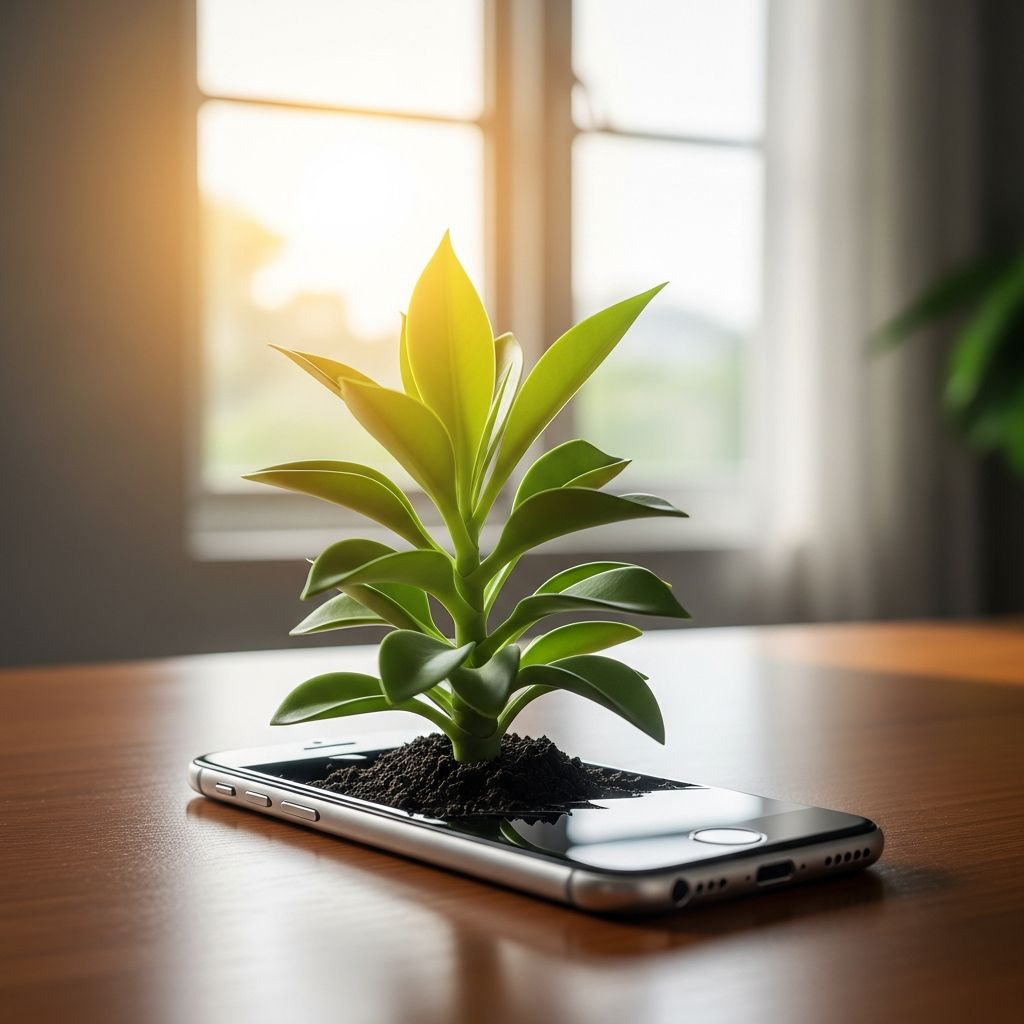
Smartphones have woven themselves into the fabric of modern existence, offering unmatched convenience but at a steep cost to our cognitive, emotional, and physical health. Excessive reliance on these devices fragments attention, elevates stress, and erodes genuine human connections. This article delves into twelve compelling reasons to scale back mobile dependence, drawing on scientific insights to highlight how intentional disconnection fosters deeper focus, stronger relationships, and heightened life satisfaction.
The Cognitive Toll of Constant Connectivity
Prolonged smartphone engagement rewires neural pathways, impairing essential brain functions. Research indicates that heavy users experience reduced gray matter in the prefrontal cortex, a region vital for executive functions like decision-making and impulse control. This structural change accelerates cognitive decline, making complex problem-solving arduous.
Frequent notifications trigger compulsive checking, fragmenting attention into brief bursts. Users accustomed to rapid dopamine hits from apps struggle with sustained concentration, leading to diminished performance in tasks requiring deep thought. For instance, the brain’s adaptation to quick information shifts hampers memory consolidation, as hippocampal activity—crucial for forming long-term memories—gets disrupted by screen overload.
Shrinking Attention Spans in a Distracted World
The average attention span has plummeted, largely due to smartphone-induced multitasking. Constant app-switching creates cognitive overload, weakening the brain’s capacity for prolonged focus. Heavy users underperform on memory and problem-solving tests, as their minds crave perpetual stimulation.
- Impulsive Task-Switching: Alerts foster habitual interruptions, slashing efficiency on core activities.
- Multitasking Myth: Juggling digital inputs dilutes cognitive resources, yielding poorer outcomes than singular focus.
- Deep Work Deficit: Rare moments of uninterrupted thought stifle creativity and innovation.
Reclaiming attention requires deliberate limits on device access, allowing the brain to rebuild endurance for meaningful endeavors.
Sleep Sabotage Through Screen Glow
Blue light from mobile screens suppresses melatonin production, delaying sleep onset and fragmenting rest cycles. Late-night scrolling overstimulates the mind, preventing restorative downtime essential for cognitive repair.
Chronic sleep deficits from device overuse manifest as fatigue, irritability, and weakened immunity. Reduced sleep quantity and quality impair memory recall and heighten error rates in daily tasks. Students and professionals alike report diminished academic and work output due to these patterns.
| Sleep Disruptor | Impact | Mitigation |
|---|---|---|
| Blue Light Exposure | Melatonin suppression, delayed bedtime | Blue-light filters or no screens 1 hour pre-bed |
| Mental Overstimulation | Fragmented REM cycles, poor recovery | Wind-down rituals sans devices |
| Notification Anxiety | Midnight awakenings for checks | Do Not Disturb mode activation |
Mental Health Erosion from Digital Overload
Smartphone addiction correlates with heightened anxiety, stress, and depressive symptoms. The compulsion to remain connected fuels FOMO (fear of missing out), spiking cortisol levels and fostering chronic unease.
Social media’s curated realities breed dissatisfaction, as users compare against idealized images, eroding self-esteem. Paradoxically, hyper-connectivity online amplifies isolation offline, diminishing real-world interactions vital for emotional fulfillment.
- Anxiety Amplification: Phone proximity alone heightens tension during tasks.
- Stress Burnout: Work emails invading personal time blur boundaries, leading to exhaustion.
- Depression Risk: Reduced face-to-face bonds correlates with mood disorders.
Productivity Paradox: Devices as Distraction Engines
While smartphones promise efficiency, overuse undermines it. Studies reveal that addiction and habitual checking slash output at work and home. Multitasking on devices impairs retention and decision-making, creating a cycle of low-yield busyness.
Interestingly, optimizing rather than eliminating screen time boosts perceived productivity. Self-monitoring apps encourage mindful usage, enhancing task completion and satisfaction—though fatigue from tracking can temper gains.
Work never pauses with always-on access, blurring professional-personal lines and inviting perpetual availability. This erodes downtime crucial for recharge and ingenuity.
Strained Relationships in the Shadow of Screens
Mobile dependence supplants authentic interactions with superficial digital exchanges. During conversations, ‘phubbing’—snubbing others for phones—signals disinterest, fraying bonds.
Couples and families report discord from device interruptions, with shared meals devolving into isolated scrolling sessions. Children mimic parental habits, stunting social skill development. Prioritizing presence over pixels rebuilds intimacy and trust.
Physical Health Hazards of Sedentary Swiping
Prolonged hunching over screens induces ‘text neck,’ straining cervical spine and posture. Respiratory function may suffer from forward head positions compressing airways.
Eye strain, headaches, and repetitive stress injuries plague heavy users. Sedentary behavior tied to extended sessions elevates risks for obesity, cardiovascular issues, and metabolic disorders. Incorporating movement breaks counters these perils.
Financial Drains from App-Driven Impulses
Smartphones lure impulse buys via targeted ads and seamless checkouts. Dopamine from purchases reinforces habitual spending, often on non-essentials.
Subscription traps and in-app temptations erode budgets silently. Mindful audits of app usage reveal hidden costs, empowering fiscal discipline.
Loss of Autonomy and Rising Dependence
Overreliance cedes control to algorithms dictating feeds and habits. Emotional crutches form, with devices quelling boredom or discomfort via instant gratification.
This erodes self-control, conditioning brains for shallow rewards over enduring pursuits. Digital detoxes restore agency and intrinsic motivation.
Environmental Footprint of Perpetual Upgrades
Tech churn from chasing newer models burdens ecosystems. E-waste from discarded devices pollutes landfills, leaching toxins[general knowledge]. Mindful retention of functional phones lightens this load.
Strategies for Balanced Digital Living
Combat overreliance with practical steps:
- Set screen time limits via built-in tools.
- Create phone-free zones like bedrooms and dining areas.
- Batch-check notifications to curb compulsions.
- Pursue analog hobbies fostering presence.
- Track progress without inducing monitoring fatigue.
These habits, rooted in self-regulation, yield sustainable gains in well-being.
Frequently Asked Questions (FAQs)
What are the first signs of smartphone addiction?
Warning signs include anxiety without your phone, compulsive checking, neglected responsibilities, and sleep disturbances from late scrolling.
Does reducing screen time really improve productivity?
Yes, mindful optimization—not total elimination—enhances focus and task completion, per university research, though tracking can cause temporary fatigue.
How does phone use affect sleep?
Blue light inhibits melatonin, while mental stimulation delays wind-down, fragmenting sleep and impairing next-day cognition.
Can smartphone addiction cause depression?
It heightens risks through social isolation, comparison, and stress, reducing real interactions essential for mental health.
What simple steps start a digital detox?
Implement Do Not Disturb, designate no-phone times, and replace scrolling with walks or reading to rebuild habits gradually.
References
- Smartphone Addiction: Effects on Cognition & Attention — Lone Star Neurology. 2023. https://lonestarneurology.net/others/the-impact-of-smartphone-addiction-on-cognitive-function-and-attention-span/
- Does Reducing Screen Time Increase Productivity? Not Necessarily — San Diego State University. 2022-10-01. https://business.sdsu.edu/news/2022/10/screentime-research-v2
- Phone Addiction: Warning Signs and How to Get Help — HelpGuide.org. 2024. https://www.helpguide.org/mental-health/addiction/smartphone-addiction
- How Mindful Use of Your Smartphone Can Make You More Productive — TopResume. 2023. https://topresume.com/career-advice/how-mindful-use-of-your-smartphone-can-make-you-more-productive
- How Your Cell Phone Habits Impact Your Productivity — Psychology Today. 2018-07-01. https://www.psychologytoday.com/us/blog/why-bad-looks-good/201807/how-your-cell-phone-habits-impact-your-productivity

Medha Deb is an editor with a master's degree in Applied Linguistics from the University of Hyderabad. She believes that her qualification has helped her develop a deep understanding of language and its application in various contexts. Medha specializes in the areas of beauty, health, sports, and wellness and is committed to ensuring that the content on the website is…