
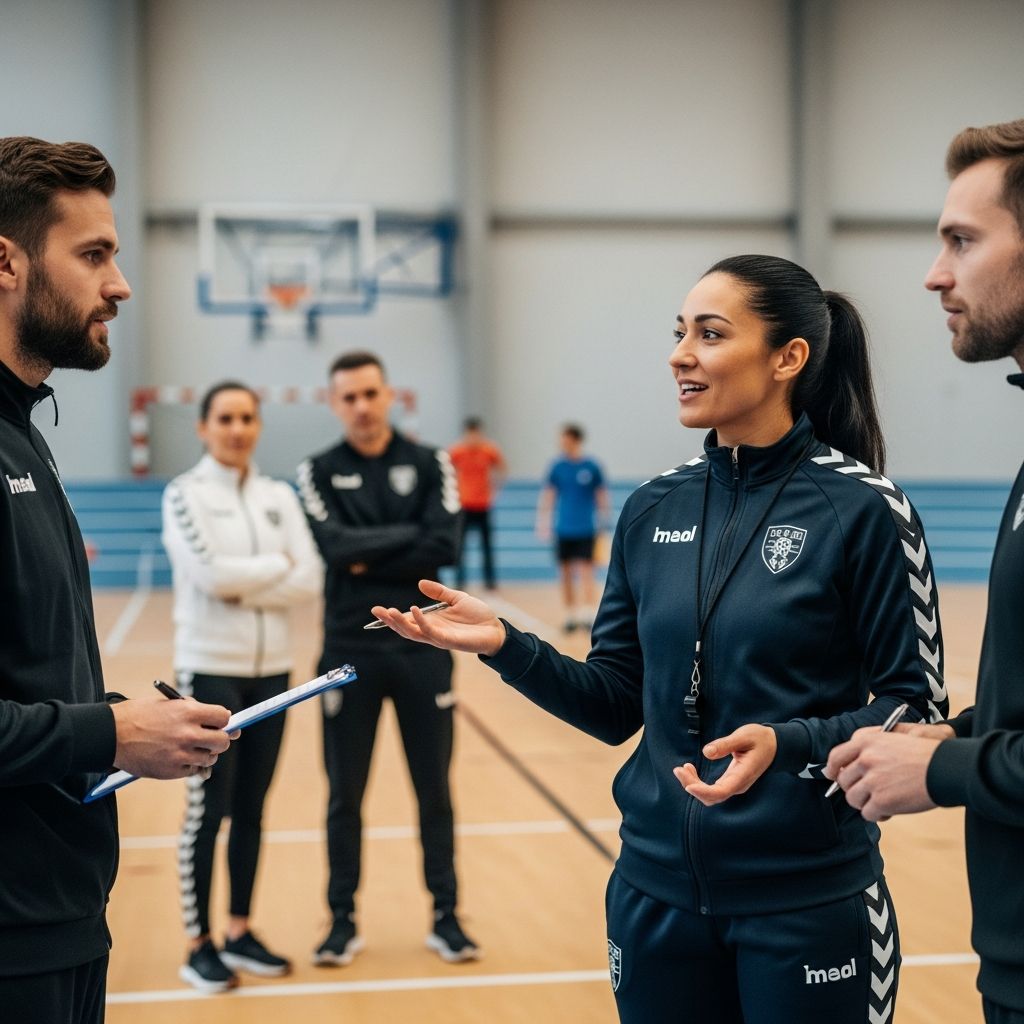
Exceptional coaches possess a unique blend of skills and mindsets that enable them to guide individuals and teams toward peak performance. These professionals excel by combining empathy with strategic insight, creating environments where growth thrives.
Building Trust Through Active Listening
At the heart of effective coaching lies the ability to listen actively. Great coaches prioritize understanding their clients’ perspectives before offering guidance. This involves not just hearing words, but grasping underlying emotions and motivations. Active listening builds a foundation of trust, allowing coachees to open up about challenges they might otherwise conceal.
Coaches demonstrate this trait by maintaining eye contact, nodding affirmatively, and paraphrasing statements to confirm comprehension. Such practices signal genuine interest and validate the speaker’s experiences. Research from leadership development experts highlights how this skill enhances emotional connections, leading to more honest dialogues and breakthrough moments.
- Paraphrase key points to ensure mutual understanding.
- Avoid interrupting to allow full expression of thoughts.
- Use silence strategically to encourage deeper reflection.
Fostering Emotional Intelligence and Empathy
Empathy distinguishes average coaches from exceptional ones. By stepping into their clients’ shoes, coaches can address emotional barriers that hinder progress. This quality involves recognizing nonverbal cues, validating feelings, and responding with compassion without judgment.
Leaders coached by empathetic professionals often report heightened self-awareness and improved interpersonal dynamics. Emotional intelligence, cultivated through coaching, equips individuals to manage stress, build stronger relationships, and navigate complex team environments. Coaches model this by sharing relevant personal insights sparingly, always redirecting focus to the client’s journey.
| Empathy Level | Coach Behaviors | Client Outcomes |
|---|---|---|
| Basic | Sympathetic responses | Surface-level comfort |
| Advanced | Perspective-taking questions | Emotional breakthroughs |
| Exceptional | Nonjudgmental mirroring | Sustained behavioral change |
Mastering Clear and Impactful Communication
Clear communication ensures that insights land effectively. Exceptional coaches articulate feedback concisely, using powerful questions to provoke thought rather than dictating solutions. Their language is precise, motivational, and tailored to the recipient’s style—whether analytical executives or creative thinkers.
This trait extends to tone and volume, adapting to virtual or in-person settings. Coaches with strong communication skills inspire confidence and clarity, helping clients refine their own messaging for team leadership. Confidence in delivery reinforces the coach’s authority without arrogance.
Cultivating Strategic Vision and Thinking
Great coaches guide clients toward long-term horizons. They encourage strategic thinking by challenging assumptions and exploring multiple scenarios. This involves helping leaders align daily actions with overarching goals, fostering a proactive mindset.
Through targeted exercises, coaches build clients’ ability to anticipate challenges and seize opportunities. Organizations benefit as coached leaders drive innovation and adaptability, keeping teams ahead in competitive landscapes.
Championing Accountability and Motivation
Accountability paired with motivation propels change. Exceptional coaches set measurable goals and follow up rigorously, celebrating wins while addressing setbacks constructively. They motivate by highlighting intrinsic strengths and connecting efforts to personal values.
This balance prevents complacency and builds resilience. Clients emerge more decisive and self-reliant, capable of sustaining progress independently. Coaches ask probing questions like, “What steps will you take this week?” to embed ownership.
Embracing Adaptability and Cultural Awareness
In globalized workplaces, adaptability is non-negotiable. Top coaches adjust their approaches to diverse cultural contexts, respecting varied norms and communication styles. This sensitivity ensures relevance and inclusivity, particularly with international teams.
Experience across cultures equips coaches to bridge gaps, promoting unity and understanding. Leaders gain tools for inclusive decision-making, enhancing team cohesion.
Demonstrating Integrity and Ethical Commitment
Integrity forms the bedrock of coaching relationships. Exceptional coaches uphold confidentiality, remain objective, and adhere to professional standards. Their actions align with words, modeling the ethics they advocate.
This trustworthiness fosters psychological safety, enabling vulnerability essential for growth. Studies affirm that ethical coaches yield higher client satisfaction and retention.
Driving Self-Awareness and Personal Growth
Coaches excel at illuminating blind spots. Through reflective tools like 360-degree feedback and journaling, they nurture self-awareness. Clients learn to leverage strengths while mitigating weaknesses, leading to holistic development.
This trait yields ripple effects: improved decision-making, better team dynamics, and organizational innovation.
Instilling Resilience and a Growth Mindset
Resilience training equips leaders to rebound from failures. Coaches reframe setbacks as learning opportunities, building mental toughness. A growth mindset, reinforced through coaching, turns obstacles into catalysts for evolution.
Teams led by such resilient figures exhibit higher performance and morale.
Leveraging Collaboration and Team Focus
Exceptional coaches view success collectively. They promote collaboration by modeling inclusive behaviors and encouraging team autonomy. Personalized feedback and group interventions harmonize individual and collective goals.
- Tailor advice to unique needs.
- Foster role modeling for positive leadership.
- Integrate session themes for cohesive learning.
Organizational Impact of Exceptional Coaching
Beyond individuals, great coaches transform organizations. Enhanced leadership cascades to better team performance, innovation, and retention. Companies investing in such coaching see measurable ROI through productivity gains and reduced turnover.
HR leaders should seek coaches with proven track records, certifications, and digital proficiency for scalable impact.
How to Identify Your Ideal Coach
Selecting a coach requires discernment. Prioritize those with extensive hours, high client ratings, and relevant experience. Interview potential coaches on their methodologies and success metrics to ensure alignment.
| Evaluation Criteria | Red Flags | Green Flags |
|---|---|---|
| Experience | Limited hours | 1000+ hours logged |
| Feedback | Vague testimonials | Detailed success stories |
| Approach | Directive style | Question-driven facilitation |
Frequently Asked Questions (FAQs)
What differentiates a good coach from an exceptional one?
Exceptional coaches blend empathy, strategic insight, and accountability, driving sustainable transformation rather than quick fixes.
How long does it take to see coaching results?
Initial shifts often appear within 3-6 sessions, with profound changes over 6-12 months of consistent engagement.
Is coaching suitable for all leadership levels?
Yes, from emerging leaders to C-suite executives, coaching adapts to developmental stages and organizational needs.
Can virtual coaching be as effective as in-person?
Absolutely, with proficient digital tools ensuring engagement and outcomes match traditional formats.
How do I measure coaching ROI?
Track metrics like performance improvements, 360-feedback scores, and business KPIs pre- and post-engagement.
References
- Top Qualities of an Effective Leadership Coach — CoachHub. 2023. https://www.coachhub.com/blog/top-qualities-of-an-effective-leadership-coach
- Essential Traits of Successful Coaches and Leaders — Rhys Desmond. 2023-12-27. https://rhysdesmond.com/2023/12/27/essential-traits-of-successful-coaches-and-leaders/
- Leadership Lessons: Five Characteristics of Great Coaches — Jabian Consulting. N/A. https://journal.jabian.com/leadership-lessons-five-characteristics-of-great-coaches/
- 11 Must-Have Qualities for an Executive Leadership Coach — Next Level Coach. N/A. https://www.nextlevel.coach/blog/the-top-10-things-to-look-for-in-a-leadership-coach
- 12 Essential Qualities of Effective Leadership — Center for Creative Leadership. N/A. https://www.ccl.org/articles/leading-effectively-articles/characteristics-good-leader/

- Integrated M.A. in Applied Linguistics, University of Hyderabad
- 5+ years in editorial, instructional, SEO, and research-based writing
Sneha is a relationships and lifestyle writer with a strong foundation in applied linguistics and certified training in relationship coaching. She brings over five years of writing experience to theskillvault, crafting thoughtful, research-driven content that empowers readers to build healthier relationships, boost emotional well-being, and embrace holistic living. Her writing and insights reflect the belief that beauty, happiness, and wellness…