
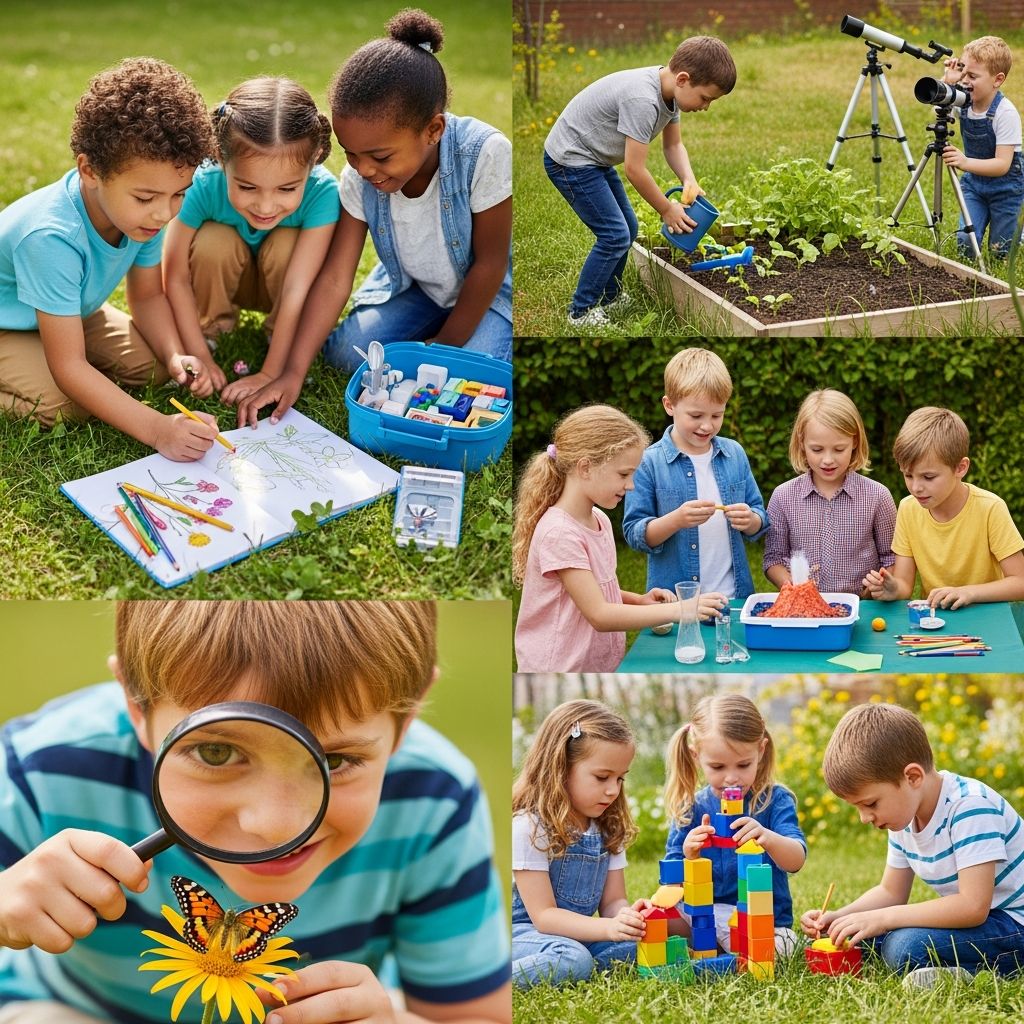
Summer offers endless opportunities for children to explore, create, and grow without the structure of school. These carefully curated activities transform lazy days into vibrant learning experiences, helping kids maintain academic skills while fostering creativity and physical health. From backyard experiments to storytelling adventures, parents can easily integrate education into playtime using everyday items.
Why Summer Learning Matters for Young Minds
Maintaining learning momentum during vacation prevents the ‘summer slide,’ where students can lose up to two months of reading and math progress. Research shows consistent engagement in fun, informal activities preserves knowledge and builds enthusiasm for school. Outdoor pursuits enhance motor skills and attention, while creative tasks boost problem-solving. Families benefit too, strengthening bonds through shared discoveries.
Prioritize balance: mix physical, cognitive, and artistic pursuits. Adapt for ages—simpler hunts for toddlers, complex inventions for tweens. No fancy supplies needed; nature and household goods suffice.
Outdoor Exploration Activities
Nothing beats fresh air for holistic development. These ventures encourage observation, teamwork, and environmental awareness.
- Nature Detective Trails: Arm kids with clipboards and crayons. Hunt for items like a red leaf, smooth stone, or buzzing insect. Discuss findings to practice description and classification skills.
- Sensory Safari: Challenge senses—spot something fuzzy, listen for birdsong, sniff wild herbs. Chart discoveries to reinforce literacy and graphing.
- Backyard Habitat Builds: Construct mini ecosystems with sticks, leaves, and rocks. Observe insect visitors, sparking biology interest.
Extend with photography: use a phone to capture ‘treasures,’ then label prints for a family gallery.
Hands-On Science Discoveries
Turn curiosity into experiments that reveal natural wonders. Safe, simple setups teach cause-effect and hypothesis testing.
| Experiment | Materials | Learning Goal |
|---|---|---|
| Solar-Powered Melter | Pizza box, foil, black paper, plastic wrap | Understand heat transfer and renewable energy |
| Fizzy Eruption Tower | Baking soda, vinegar, dish soap, food coloring | Explore chemical reactions and gases |
| Rainbow Density Jar | Honey, dish soap, water, oil, syrup (dyed) | Learn about liquid densities and layering |
Guide kids to predict outcomes, then reflect: ‘What happened and why?’ Repeat with variations for deeper insight.
Boosting Literacy Through Play
Reading and writing flourish when tied to joy. Daily rituals combat slide without drills.
- Story Relay Circles: Family takes turns adding sentences to a tale. Record for playback, honing narrative flow.
- Comic Creation Station: Draw three-panel strips with dialogue bubbles about summer antics. Share with cousins via mail.
- Poetry Picnics: Compose haikus on picnic themes like ‘wavy waves’ or ‘sunny smiles.’ Illustrate for keepsakes.
- Letter Legacy Project: Pen notes to future selves or pen pals, describing dreams and deeds.
Incorporate reading challenges: aim for 20 minutes daily, tracking with themed bookmarks. Libraries often host free programs.
Math in Motion Games
Numbers come alive through active challenges, embedding concepts sneakily.
- Scavenger Measurements: Hunt objects by size—taller than a shoe, wider than a book. Use string or steps for non-standard units.
- Pattern Parades: Create nature patterns (leaf, twig, stone) then replicate with claps or jumps.
- Budget Beach Day: Allocate pretend coins for snack choices, practicing addition and trade-offs.
For middles, unscramble word puzzles revealing math jokes, like riddles on area or fractions.
Artistic Expression Workshops
Creativity nurtures emotional intelligence and fine motor control. Set up rotating stations.
- Nature Silhouettes: Trace wildflower shadows on paper, paint boldly. Discuss symmetry.
- Fortress Fantasies: Engineer blanket-and-chair havens, then ‘tour’ with stories.
- Flower Headpieces: Weave petals into crowns, exploring geometry in blooms.
Clay modeling or plein air sketching captures fleeting scenes, building patience.
Culinary Creativity Sessions
Kitchen labs teach sequencing, fractions, and nutrition playfully.
- Fruit Salsa Fiesta: Chop, measure, mix seasonal produce. Taste-test for feedback.
- Herb Garden Harvest: Plant, nurture, snip for salads—full cycle learning.
- No-Bake Energy Bites: Roll oats, honey, nuts; calculate batches for sharing.
Emphasize safety and hygiene for confidence-building.
Evening Wind-Down Rituals
Cap days with calm reflection, prepping restful sleep.
- Star Story Sessions: Gaze at skies, invent constellations’ myths.
- Gratitude Journals: Doodle daily highs, enhancing positivity.
- Quiet Read-Alouds: Cozy up with chapter books, modeling fluency.
Tailoring Activities by Age Group
| Age | Focus Activities | Tips |
|---|---|---|
| Preschool (3-5) | Sensory hunts, simple mixes, picture stories | Short sessions, lots of praise |
| Early Elementary (6-8) | Scavenger math, comic strips, basic experiments | Encourage questions, group play |
| Upper Elementary (9-12) | Advanced builds, wordplay puzzles, recipe designs | Allow independence, discuss failures |
Flexibility ensures inclusivity for varying abilities.
Planning Your Summer Success
Create a flexible calendar: theme weeks like ‘Wild Week’ or ‘Inventor Days.’ Stock a ‘fun box’ with basics. Track progress with photo journals. Community spots—parks, libraries—amplify options. Limit screens to reward time, prioritizing real-world immersion.
Frequently Asked Questions
How do I motivate reluctant learners?
Start small, tie to interests (dinosaurs for science), and celebrate efforts with high-fives or stickers. Make it collaborative.
What’s the daily time commitment?
30-60 minutes suffices; weave into routines like post-breakfast hunts or bedtime reads for sustainability.
Are these budget-friendly?
Yes—most use free nature or pantry staples. Splurge optionally on journals.
Can I adapt for bad weather?
Shift outdoors to windowsill observations, indoor ‘hunts’ in cupboards, or kitchen labs.
How to track progress?
Use simple charts or apps for reading logs; focus on joy over metrics.
References
- 101 Easy, Free, and Fun Ways to Keep Kids Learning Over Summer — Scholastic. Accessed 2026. https://www.scholastic.com/parents/family-life/summer-vacation-learning-activities.html
- Engaging Summer Learning Activities for Kids: A Complete Guide — Greenhouse Learning. Accessed 2026. https://greenhouselearning.co.uk/engaging-summer-learning-activities-for-kids-a-complete-guide/
- Screen-Free Summer Fun: 100 Engaging Activities for Kids — Treehouse Schoolhouse. Accessed 2026. https://treehouseschoolhouse.com/blog/100-screen-free-kids-summer-activities
- 15 Fun Summer School Activities for Elementary and Middle Students — HMH Co. Accessed 2026. https://www.hmhco.com/blog/fun-summer-learning-activities-for-elementary-middle-school-students
- Summer Learning Activities for Kids of All Ages — Pathways.org. Accessed 2026. https://pathways.org/summer-learning-activities-for-kids-of-all-ages
- 9 Summer Learning Activities that Promote School Readiness — Waterford.org. Accessed 2026. https://www.waterford.org/blog/9-summer-learning-activities-that-promote-school-readiness-for-prek-2nd-grade-families/

- Integrated M.A. in Applied Linguistics, University of Hyderabad
- 5+ years in editorial, instructional, SEO, and research-based writing
Sneha is a relationships and lifestyle writer with a strong foundation in applied linguistics and certified training in relationship coaching. She brings over five years of writing experience to theskillvault, crafting thoughtful, research-driven content that empowers readers to build healthier relationships, boost emotional well-being, and embrace holistic living. Her writing and insights reflect the belief that beauty, happiness, and wellness…