
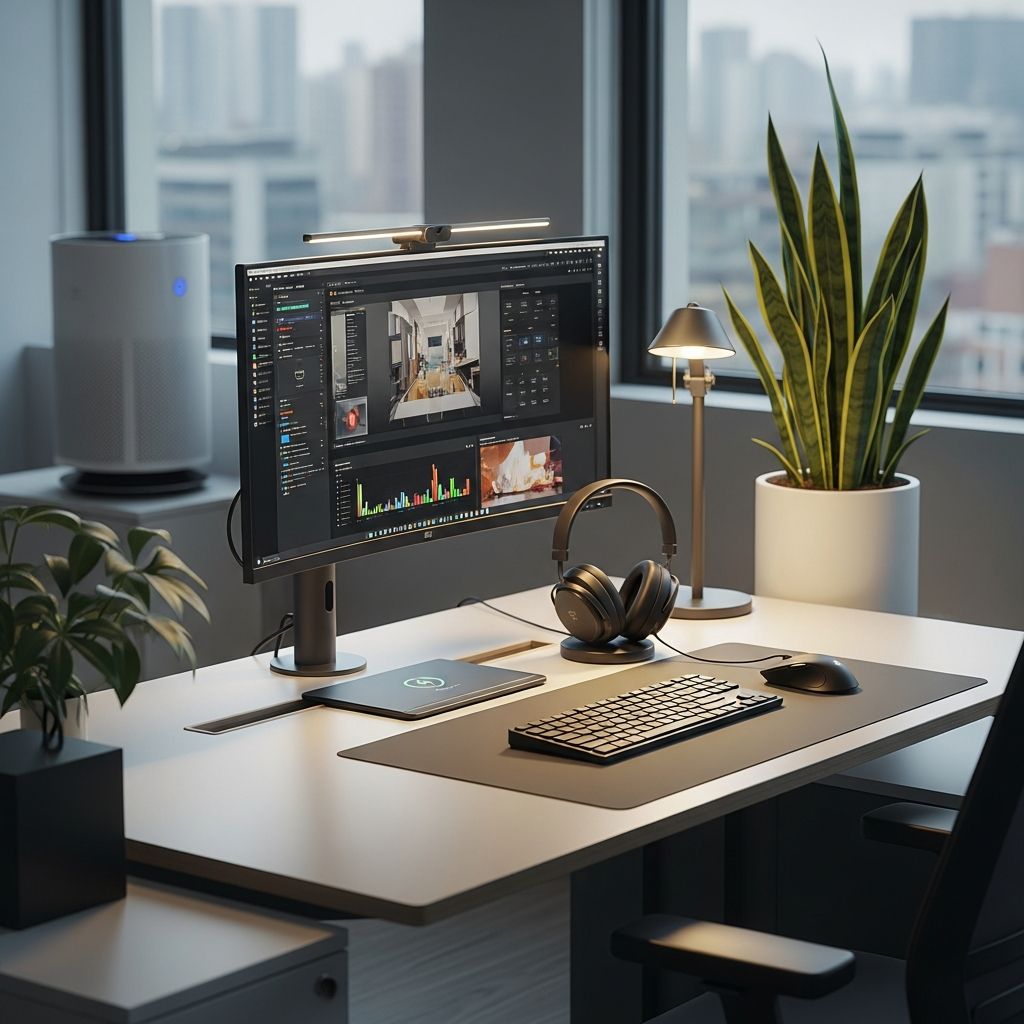
Your office environment profoundly influences daily output, mood, and long-term health. As hybrid models dominate in 2026, upgrading to adaptive, people-focused designs is essential for sustaining motivation and efficiency. This guide outlines transformative changes, from foundational ergonomics to cutting-edge tech, ensuring your space supports modern demands.
Building a Foundation with Ergonomic Essentials
Ergonomics forms the bedrock of any high-performing workspace. Poor posture leads to fatigue and injury, undermining productivity. Prioritize adjustable standing desks that allow seamless transitions between sitting and standing, promoting blood flow and reducing back strain. Pair these with chairs featuring lumbar support, breathable mesh, and height customization to match individual body types.
- Standing Desk Benefits: Users report 20-30% more energy throughout the day.
- Chair Upgrades: Invest in models with tilt mechanisms for dynamic sitting.
- Monitor Positioning: Use arms to elevate screens to eye level, preventing neck crick.
Desk accessories like keyboard trays and footrests further refine setups, keeping essentials accessible while clearing surface clutter. These tweaks minimize disruptions, fostering prolonged focus.
Embracing Flexible Layouts for Hybrid Realities
Static offices are obsolete; 2026 demands modularity. Hybrid schedules require zones that shift effortlessly between solo tasks, team huddles, and casual brainstorming. Introduce movable partitions and reconfigurable tables to create ‘third spaces’—lounge-like areas for informal exchanges that spark innovation.
| Zone Type | Purpose | Key Features |
|---|---|---|
| Focus Pods | Deep work | Soundproofing, dimmable lights, single occupancy |
| Collaboration Corners | Team meetings | Writable walls, modular seating, AV integration |
| Lounge Areas | Breaks & chats | Comfortable sofas, plants, coffee stations |
Compact, multifunctional furniture—such as desks that fold into walls—suits home offices, maximizing small footprints without sacrificing utility. This adaptability ensures your space evolves with workflow fluctuations.
Integrating Nature Through Biophilic Design
Bringing the outdoors in combats screen fatigue and enhances cognitive function. Biophilic elements like living walls, natural wood finishes, and ample greenery lower stress hormones by up to 15%. Position plants strategically: snake plants for air purification near desks, trailing ivies for vertical interest on shelves.
- Large windows or skylights for natural light influx.
- Water features for subtle ambient sound.
- Earth-toned palettes to evoke calm.
Outdoor extensions, such as terraces or balconies with weatherproof seating, extend usable space, ideal for contemplative breaks or virtual calls amid fresh air. These infusions make workspaces restorative hubs.
Smart Tech for Seamless Efficiency
Technology should enhance, not overwhelm. AI-optimized tools automate routines, from scheduling to task prioritization, freeing mental bandwidth for creative pursuits. Smart ecosystems regulate lighting, HVAC, and acoustics based on occupancy, optimizing comfort without manual intervention.
Wireless charging embeds into desks, while hidden cable managers maintain sleek aesthetics. Immersive tech like AR screens bridges remote gaps, simulating presence in hybrid meetings. Central digital hubs consolidate apps, slashing app-switching time by 40%.
Decluttering with Minimalist Organization
A cluttered desk mirrors a cluttered mind. Minimalism streamlines cognition through intentional setups: clear surfaces, concealed storage, and neutral schemes. Categorize items into trays for immediate access—pens in magnetic strips, notes in wall pockets.
- Vertical Storage: Shelves and pegboards lift items off desks.
- Multi-Use Organizers: Stackable bins doubling as risers.
- Digital Declutter: Cloud syncing reduces paper trails.
Warm, layered lighting—task lamps with adjustable kelvin—prevents eye strain, creating inviting glows for extended sessions.
Sustainable Choices for Long-Term Impact
Eco-conscious upgrades align with 2026 priorities. Opt for recyclable modular furniture, low-VOC paints, and energy-efficient LEDs to minimize environmental footprints. Circular systems allow piece swaps, extending lifespan and cutting waste.
People-centric designs accommodate diverse needs: quiet booths for introverts, vibrant hubs for extroverts. Data analytics track usage, informing iterative refinements.
Cultivating Culture with Dedicated Zones
Workspaces reflect company ethos. Leadership nooks foster open dialogues, while learning alcoves with interactive displays nurture skills. Brand-infused elements—signature colors, textured accents—reinforce identity, boosting morale.
Micro-zones for calls, reflection, or wellness (yoga mats, meditation cushions) address holistic needs, reducing burnout.
Frequently Asked Questions (FAQs)
What is the top priority for a 2026 office upgrade?
Ergonomics tops the list, as adjustable furniture prevents health issues and sustains productivity in hybrid setups.
How can small spaces adopt flexible designs?
Use foldable desks, wall-mounted units, and multi-purpose stools to maximize versatility without expansion.
Does biophilic design really improve focus?
Yes, studies show nature elements enhance concentration and lower stress, making them essential for modern offices.
What tech investments yield the highest ROI?
AI workflow tools and smart lighting automate tasks and personalize environments, saving hours weekly.
How to maintain minimalism long-term?
Adopt ‘one-in, one-out’ rules and regular audits to keep surfaces clear and minds sharp.
Implementing Your Upgrade Plan
Start small: audit current pain points, then phase in changes—ergonomics first, then layout tweaks, tech last. Budget wisely: prioritize high-impact items like desks over aesthetics. Measure success via usage data and feedback loops for ongoing optimization.
These upgrades position your workspace as a productivity powerhouse, ready for 2026’s dynamic landscape. Small investments yield exponential returns in focus, collaboration, and well-being.
References
- 26 Workplace Design Trends and Ideas for 2026 — RI Workplace. 2026. https://riworkplace.com/26-workplace-design-trends-and-ideas-for-2026/
- 2026 Home Office Setup Design: Top Trends — Home Business Magazine. 2026. https://homebusinessmag.com/home-office/home-office-set-up/2026-home-office-set-up-trends-ergonomic-minimalist-and-hybrid-work-ready-designs/
- Start 2026 Strong: New Workspace Ideas for the New Year — Madison Liquidators. 2026-01. https://madisonliquidators.com/blog/start-2026-strong-new-workspace-ideas-for-the-new-year/
- 7 Trends in Modern Office Interiors You Can’t Ignore in 2026 — TKI. 2026-01-16. https://tki.co.za/2026/01/16/7-trends-in-modern-office-interiors-you-cant-ignore-in-2026/
- Best Home Office Design Ideas 2026 — YouTube (Govee or similar channel). 2026. https://www.youtube.com/watch?v=YakxJ_UoP84
- 26 Desk Organization Ideas 2026 Not Commonly Shared — The Coolist. 2026. https://www.thecoolist.com/desk-organization-ideas-2026/

Medha Deb is an editor with a master's degree in Applied Linguistics from the University of Hyderabad. She believes that her qualification has helped her develop a deep understanding of language and its application in various contexts. Medha specializes in the areas of beauty, health, sports, and wellness and is committed to ensuring that the content on the website is…