
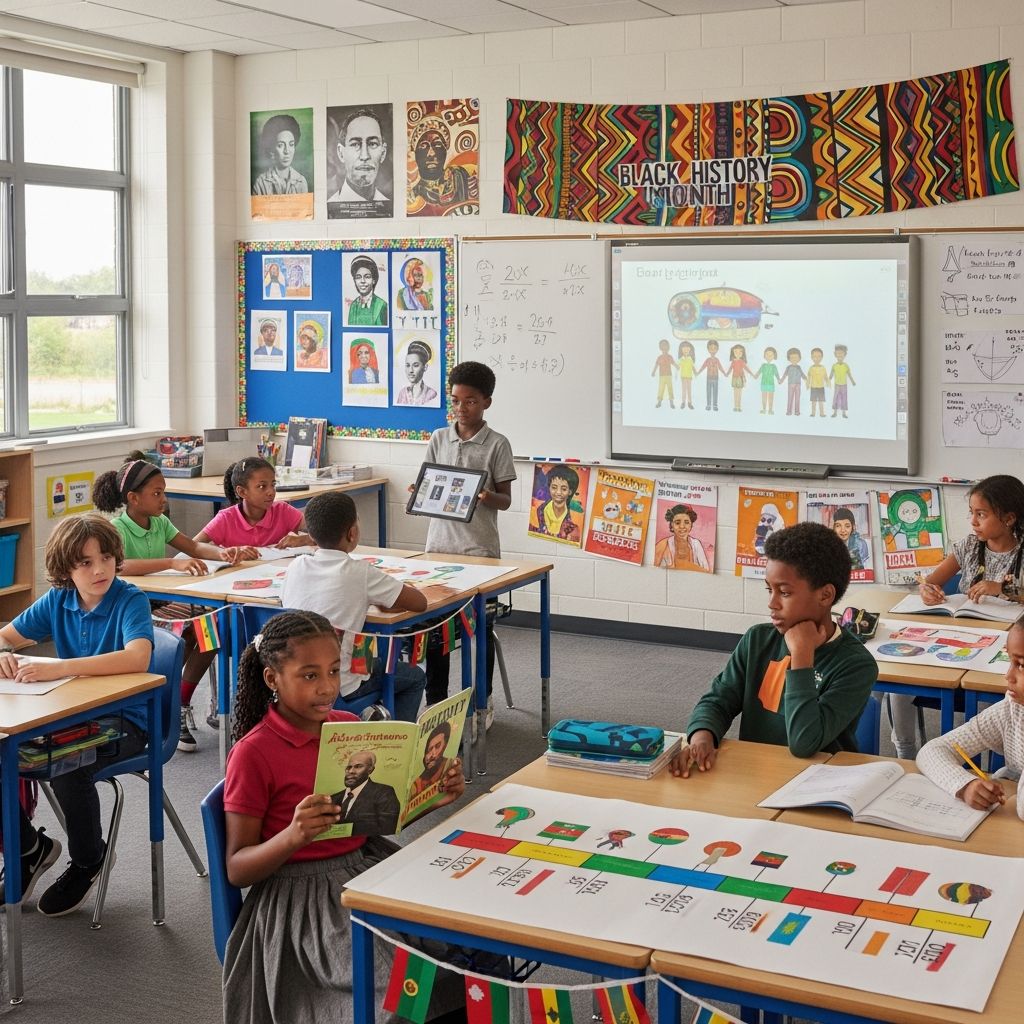
Black History Month provides a vital opportunity for educators to immerse students in the rich contributions, struggles, and triumphs of African Americans. These 25 original activities are designed for diverse grade levels, promoting interactive learning through history, arts, science, and reflection. Each idea encourages critical thinking and cultural awareness while being adaptable for elementary, middle, and high school settings.
Building Foundations with Storytelling and Reading
Start the month by captivating students with narratives that bring Black history to life. Read-aloud sessions featuring biographies of trailblazers like Ruby Bridges or the scientists in Hidden Figures spark curiosity and empathy. Encourage students to journal personal connections, asking how these stories mirror their own aspirations.
- Organize daily read-alouds with age-appropriate books, such as tales of the Tuskegee Airmen for older students or picture books on civil rights for younger ones.
- Follow readings with group discussions where children share what inspires them most about these figures.
Creative Writing Inspired by Icons
Empower students to channel historical voices through writing. Assign tasks to craft fictional diaries from the perspective of figures like Maya Angelou or Martin Luther King Jr. For high schoolers, have them rewrite iconic speeches for contemporary issues, blending past wisdom with modern relevance.
This exercise not only hones writing skills but also deepens understanding of ongoing social justice themes.
Visual Arts: Celebrating Black Creativity
Transform classrooms into galleries showcasing Black artists from the Harlem Renaissance to today. Students can recreate famous artworks or design original pieces inspired by Romare Bearden’s collages. Provide supplies for murals depicting key events like the March on Washington.
| Art Project | Grade Level | Key Skills |
|---|---|---|
| Collage of Harlem Renaissance | Elementary | Creativity, Color Theory |
| Portrait Series of Inventors | Middle | Research, Portraiture |
| Abstract Civil Rights Interpretations | High School | Symbolism, Expression |
Music and Rhythm: The Soul of Resistance
Explore the power of Black music genres like jazz, blues, and spirituals. Host mini-concerts where students learn and perform rhythms from enslaved spirituals or improvise jazz riffs honoring Louis Armstrong. Use simple percussion to teach the emotional depth behind these sounds.
- Invite music teachers for workshops on Ella Fitzgerald’s scatting techniques.
- Create playlists for background during other activities, discussing lyrics’ historical context.
STEM Innovations by Black Pioneers
Highlight Black excellence in science and technology. Dedicate time to projects on inventors like George Washington Carver or astronauts like Mae Jemison. Students build models of Carver’s crop rotation systems or simulate Jemison’s space missions using household items.
Host a classroom STEM fair where groups present on figures like Dr. Shirley Jackson, emphasizing barriers overcome and diverse contributions to fields like physics and engineering.
Historical Deep Dives: Laws and Movements
Delve into pivotal events with interactive timelines. Cover Jim Crow laws, the Dred Scott case, and the Civil Rights Act through role-playing debates. Students analyze primary sources, such as photographs from the Selma marches, to discuss emotions and impacts.
Games and Interactive Challenges
Make learning fun with African-inspired games like Mancala, adapted for history lessons. Use egg cartons for boards and beans as pieces, tying gameplay to ancient African mathematics and strategy. Follow with trivia quizzes on Black firsts in sports, politics, and arts.
Community Spotlights and Guest Engagements
Connect classroom learning to local history by inviting Black community leaders for virtual or in-person talks. Students prepare questions on civil rights legacies or current activism. Alternatively, research local monuments and plan virtual field trips.
Performing Arts: Dramas and Dances
Stage reenactments of key moments, like the Freedom Rides or Montgomery Bus Boycott. Choreograph dances inspired by Afrofuturism, drawing from films like Black Panther, to envision Black futures.
- Small group skits on Tuskegee Airmen missions.
- Collaborative dance routines to spirituals, focusing on rhythm and storytelling.
Reflection and Personal Pledge Walls
End activities with reflection stations. Students write pledges echoing Angelou’s youth rescue calls or MLK’s dream, posting them on a classroom wall. Discuss progress in racial equity today.
Door and Hallway Transformations
Turn school spaces into learning hubs with decorated doors featuring Black mathematicians, poets, and athletes. Run contests for the most creative displays, judged by peers.
Museum Exhibits in Your Classroom
Curate student-led exhibits with posters on categories like literature, military heroes, and innovators. Host openings for other classes, with students as docents.
Exploring Food and Culture
Study Black culinary history, from soul food origins to modern fusions. Safe tasting sessions (with allergies considered) pair with lessons on agricultural innovations by Carver.
Math and Science Spotlights
Integrate Black mathematicians like Katherine Johnson into daily math. Students solve problems inspired by her NASA calculations, celebrating precision under pressure.
Film and Media Analysis
Screen age-appropriate films like Ruby Bridges or Hidden Figures, followed by discussions on themes of resilience. Analyze trailers for Afrofuturism in media.
Poetry and Spoken Word
Recite poems by Langston Hughes or Nikki Giovanni, then have students compose originals. Perform at assemblies to build confidence and voice.
Physical Tributes and Walks
Organize meditative walks reflecting on integration struggles, like Ruby Bridges’. Students journal thoughts on exclusion’s impact.
Encyclopedias of Excellence
Compile class encyclopedias with entries on leaders across fields. Digital versions use tools like Google Slides for sharing.
Photo Analysis Workshops
Examine iconic images from the Civil Rights era. Groups interpret context, emotions, and significance, creating modern photo essays.
Health and Legacy Lessons
Discuss slavery’s healthcare impacts and modern Black medical pioneers. Activities include timelines of contributions like Henrietta Lacks.
Frequently Asked Questions
What age groups are these activities for?
These ideas scale from elementary (simple crafts and stories) to high school (debates and research projects), with adaptations noted.
How can I include families?
Host virtual museum nights or share digital pledge walls for home contributions and discussions.
Are resources needed?
Most use free printables, library books, and recyclables; seek school grants for extras.
How to address sensitive topics?
Use trauma-informed approaches, provide context, and focus on empowerment and hope.
Can these extend beyond February?
Absolutely—integrate into year-round curriculum for ongoing cultural education.
References
- 28 Ways to Celebrate Black History Month — HEC-TV. 2023-01-15. https://www.hecmedia.org/posts/28-ways-to-celebrate-black-history-month
- 40 Black History Month Activities for February and Beyond — WeAreTeachers. 2024-11-20. https://www.weareteachers.com/7-fresh-ideas-for-black-history-month/
- 16 Creative Black History Month Ideas & Activities For Work In 2026 — SnackNation. 2025-12-01. https://snacknation.com/blog/black-history-month-ideas/
- 45 Black History Month Activities — College Transitions. 2024-02-10. https://www.collegetransitions.com/blog/black-history-month-activities/
- 13 Black History Month Activities for Elementary & Middle School — HMH Co. 2024-01-22. https://www.hmhco.com/blog/black-history-month-activities-lesson-plan-ideas-for-school
- Black History Month Activities for Kids of All Ages — Boys & Girls Clubs of America. 2024-11-15. https://www.bgca.org/news-stories/2024/November/black-history-month-activities-for-kids-of-all-ages/

- Integrated M.A. in Applied Linguistics, University of Hyderabad
- 5+ years in editorial, instructional, SEO, and research-based writing
Sneha is a relationships and lifestyle writer with a strong foundation in applied linguistics and certified training in relationship coaching. She brings over five years of writing experience to theskillvault, crafting thoughtful, research-driven content that empowers readers to build healthier relationships, boost emotional well-being, and embrace holistic living. Her writing and insights reflect the belief that beauty, happiness, and wellness…