
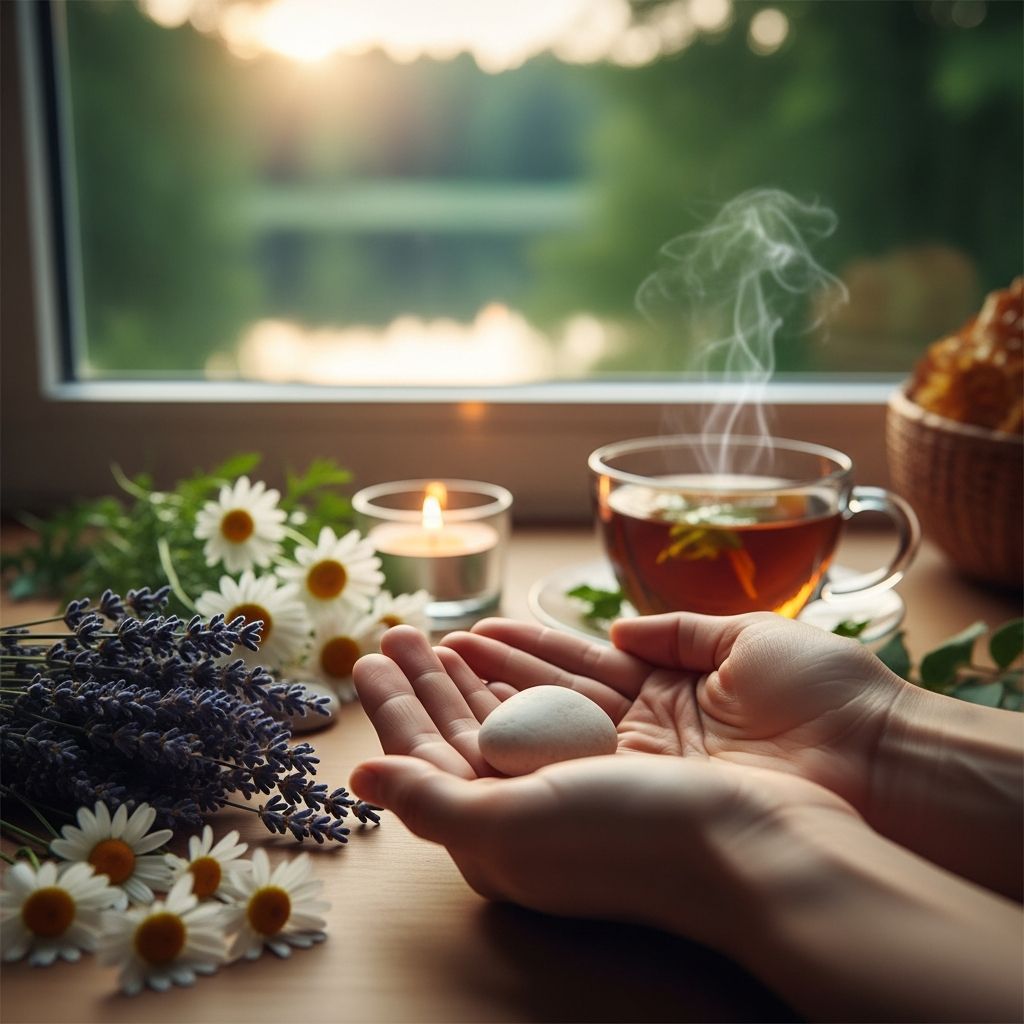
Chronic stress and anxiety affect millions, disrupting sleep, focus, and overall health. Fortunately, simple, evidence-based practices can restore balance without requiring major lifestyle overhauls. This guide draws from rigorous research to present 25 accessible strategies, grouped into key categories for easy adoption. Each method is designed for quick integration into busy schedules, promoting long-term resilience.
Breathwork and Relaxation Techniques
Controlled breathing activates the body’s relaxation response, countering the fight-or-flight mode triggered by stress. These techniques lower cortisol levels and calm the nervous system rapidly.
- Deep Diaphragmatic Breathing: Inhale deeply through your nose for 4 counts, expanding your belly, hold for 4, exhale slowly for 6. Repeat 5-10 times. This method enhances parasympathetic activity, reducing heart rate and anxiety symptoms.
- 4-7-8 Breathing Pattern: Inhale for 4 seconds, hold for 7, exhale for 8. Developed by Dr. Andrew Weil, it promotes immediate tranquility, ideal before bed or meetings.
- Box Breathing: Equal counts of 4 for inhale, hold, exhale, hold. Used by Navy SEALs, it sharpens focus while dissolving tension.
Progressive muscle relaxation (PMR) involves tensing and releasing muscle groups sequentially. A 2015 systematic review found PMR promising for reducing anxiety in older adults, with effects lasting weeks post-treatment. Start from toes to head, holding tension for 5 seconds each.
Mindfulness and Meditation Practices
Mindfulness trains the mind to anchor in the present, disrupting worry cycles. Research shows it rivals medication in efficacy for anxiety disorders.
A 2023 randomized trial with 276 adults demonstrated mindfulness-based stress reduction (MBSR) was noninferior to escitalopram, a standard antidepressant, for anxiety treatment, with fewer side effects. MBSR involves 8 weekly sessions of meditation, yoga, and body scans.
- Daily 5-Minute Mindfulness Scan: Sit quietly, observe breath, then scan body for sensations without judgment. Builds emotional regulation over time.
- Guided Meditation Apps: Use free sessions focusing on gratitude or loving-kindness to foster positivity and reduce rumination.
- Mindful Eating: Savor one meal slowly, noting flavors and textures. This curbs emotional eating linked to stress.
Heart rate variability (HRV) biofeedback, using wearables, trains users to modulate heart rhythms for stress relief. A 2017 meta-analysis of 24 studies confirmed its benefits for self-reported anxiety.
Physical Movement for Mental Calm
Exercise releases endorphins, nature’s mood boosters. Even gentle forms yield profound anti-anxiety effects.
| Activity | Duration | Key Benefits | Research Support |
|---|---|---|---|
| Yoga (Hatha or Kundalini) | 20-30 min | Reduces GAD symptoms; comparable to CBT | 2021 RCT showed efficacy over controls |
| Tai Chi/Qigong | 15-45 min | Improves balance, lowers cortisol | 2019 review: adjunctive for anxiety |
| Brisk Walking | 10-20 min | Boosts BDNF for brain health | General exercise meta-analyses |
Yoga, in particular, combines breath, movement, and mindfulness. Mayo Clinic endorses it for stress relief, noting its role in easing muscle tension and promoting relaxation. A 2021 trial found Kundalini yoga effective for generalized anxiety disorder (GAD), though CBT remains first-line.
Nature and Environmental Strategies
Exposure to green spaces rapidly diminishes stress hormones. Just 10 minutes outdoors can elevate mood and lower physiological stress markers.
- Forest Bathing (Shinrin-Yoku): Immerse in nature senses—sights, sounds, smells—for 20 minutes. Reduces anxiety via phytoncides from trees.
- Indoor Plants or Nature Views: Place greenery nearby or use nature wallpapers. University of Cambridge research shows visual nature representations de-stress the brain.
- Grounding (Earthing): Walk barefoot on grass or soil to connect with earth’s electrons, stabilizing mood.
Daily Habit Adjustments
Small tweaks to routines yield outsized calm benefits. The CDC emphasizes healthy coping steps for mental health.
- Consistent Sleep Hygiene: Aim for 7-9 hours; dim lights an hour before bed, avoid screens. Poor sleep amplifies anxiety 3-fold.
- Hydration and Nutrition: Drink 8 glasses water daily; prioritize omega-3s, magnesium-rich foods like spinach for neurotransmitter support.
- Digital Detox Periods: Set phone-free hours to prevent information overload.
- Journaling Prompts: Write 3 daily gratitudes or ‘worry dump’ evening pages to externalize thoughts.
Social and Cognitive Approaches
Connection combats isolation-fueled anxiety. APA research highlights mindfulness’s role in emotion regulation.
- Acts of Kindness: Help others daily; boosts oxytocin, countering stress hormones.
- Positive Affirmations: Repeat empowering phrases like “I am capable and calm” to rewire neural pathways.
- Limit News Intake: Cap at 15 minutes daily to avoid fear amplification.
- Laughter Therapy: Watch comedies; induces endorphin release.
Advanced Sensory Techniques
- Aromatherapy: Lavender or chamomile essential oils; inhale or diffuse for sedative effects.
- Warm Baths with Epsom Salts: Magnesium absorption relaxes muscles.
- Chewing Gum: Promotes alertness and reduces cortisol.
- Cold Showers: Brief exposure builds resilience, elevates mood via norepinephrine.
Building Long-Term Resilience
Combine techniques into a personalized toolkit. Track progress in a journal to refine what works. Consistency is key—MBSR studies show sustained benefits up to 6 months. Workplace mindfulness programs reduce physiological stress indices. Hypnotherapy shows promise for procedure-related anxiety, though evidence is preliminary.
Integrate these into routines: morning breathwork, midday walks, evening meditation. Over time, neural plasticity strengthens calm responses. If symptoms persist, consult professionals; these complement therapy or medication.
Frequently Asked Questions (FAQs)
What is the fastest way to reduce acute anxiety?
Deep breathing exercises like 4-7-8 provide relief in under 2 minutes by activating the vagus nerve.
Can these methods replace therapy or medication?
No, they enhance treatment. MBSR matches escitalopram efficacy but consult doctors for clinical anxiety.
How much time daily for noticeable effects?
10-20 minutes yields benefits; consistency over weeks maximizes gains.
Are these safe for everyone?
Generally yes; mindfulness is safe with no negative effects in reviews. Start slow if new to meditation.
Which is best for beginners?
Breathwork or short walks—accessible, no equipment needed.
References
- Mind and Body Approaches for Stress and Anxiety — National Center for Complementary and Integrative Health (NCCIH). 2023. https://www.nccih.nih.gov/health/providers/digest/mind-and-body-approaches-for-stress-science
- Mindfulness-Based Stress Reduction vs Escitalopram for the Treatment of Adults With Anxiety Disorders — JAMA Psychiatry (Hoge et al.). 2022-11-09. https://jamanetwork.com/journals/jamapsychiatry/fullarticle/2798510
- Mindfulness meditation: A research-proven way to reduce stress — American Psychological Association (APA). Accessed 2026. https://www.apa.org/topics/mindfulness/meditation
- Stress relievers: Tips to tame stress — Mayo Clinic. Accessed 2026. https://www.mayoclinic.org/healthy-lifestyle/stress-management/in-depth/stress-relievers/art-20047257
- Managing Stress — Centers for Disease Control and Prevention (CDC). Accessed 2026. https://www.cdc.gov/mental-health/living-with/index.html
- Spending time in nature reduces stress and anxiety — Cornell University College of Veterinary Medicine. 2020-02-25. https://www.vet.cornell.edu/about-us/news/20200225/spending-time-nature-reduces-stress-and-anxiety
- Fighting anxiety with science: exploring the links between self-compassion and anxiety — University of Cambridge. Accessed 2026. https://www.cam.ac.uk/stories/fightinganxiety

Medha Deb is an editor with a master's degree in Applied Linguistics from the University of Hyderabad. She believes that her qualification has helped her develop a deep understanding of language and its application in various contexts. Medha specializes in the areas of beauty, health, sports, and wellness and is committed to ensuring that the content on the website is…