
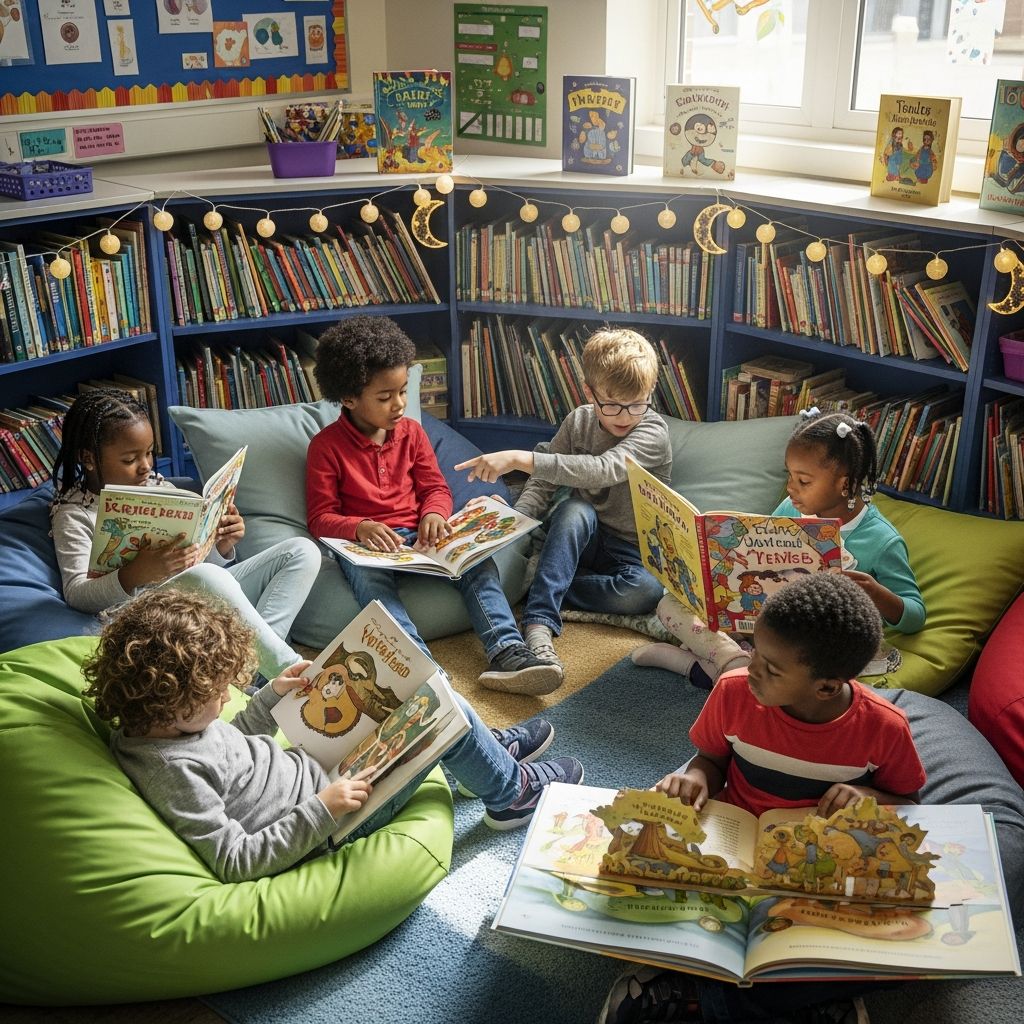
Creating a dedicated reading space in your classroom can profoundly impact students’ engagement with literature. These nooks serve as sanctuaries where children escape into stories, build vocabulary, and develop a genuine passion for reading. Research from the National Literacy Trust emphasizes that inviting reading environments significantly enhance comprehension and motivation, particularly in early education settings. This guide offers over 30 original ideas to craft personalized, cozy corners tailored to your classroom’s unique needs and themes.
Why Every Classroom Needs a Reading Nook
A well-designed reading nook goes beyond mere storage for books; it cultivates a culture of literacy. According to a study by the American Library Association, students with access to appealing reading areas spend 20-30% more time reading independently. These spaces encourage quiet reflection, peer discussions, and creative play, aligning with developmental psychology principles that link physical comfort to cognitive absorption.
- Boosts Engagement: Comfortable setups draw students in voluntarily.
- Supports Differentiation: Varied seating accommodates diverse learning styles.
- Fosters Community: Shared spaces promote book recommendations and group reads.
- Enhances Focus: Defined areas minimize distractions during reading time.
Planning Your Perfect Reading Space
Start with assessing your classroom layout. Choose a quiet corner away from high-traffic zones, ideally near natural light for eye comfort. Budget-friendly transformations can use everyday items like cushions and rugs. Define boundaries with visual cues such as arched frames or fabric dividers to signal ‘reading zone’ entry.
| Factor | Considerations | Ideas |
|---|---|---|
| Space | Small vs. Large | Vertical shelving for tight areas; floor rugs for expansive ones. |
| Lighting | Natural/Artificial | String lights, floor lamps, or window proximity. |
| Budget | Low to High | DIY pillows vs. commercial bean bags. |
| Grade Level | Primary/Upper | Stuffed animals for youngers; ergonomic chairs for olders. |
Cozy Seating Solutions
Seating is the heart of any reading nook. Prioritize options that invite lounging without compromising safety or posture.
1. Plush Floor Cushions
Scatter oversized floor cushions in vibrant patterns. They stack for storage and allow flexible grouping for buddy reading.
2. Hanging Egg Pods
Suspend egg-shaped chairs from sturdy ceiling hooks. These create private cocoons perfect for immersive reading sessions.
3. Bean Bag Paradise
Opt for giant, washable bean bags in neutral tones. Add removable covers for easy cleaning after spills.
4. Window Seat Bench
Build a simple bench under windows with padded tops. Incorporate under-bench storage for books.
5. Rocking Chair Retreat
A single vintage rocker adds nostalgia, ideal for one-on-one teacher reads.
Variety prevents overuse injuries; rotate options weekly to maintain novelty.
Defining and Decorating the Boundaries
Clearly mark your nook to enhance its appeal and functionality.
- 6. Fabric Canopy Drape: Drape sheer curtains from a PVC frame for a tent-like enclosure.
- 7. Crepe Paper Curtains: Hang colorful streamers for a festive, low-cost divider.
- 8. Arched Trellis Entry: Fashion a wooden archway with climbing ivy for a garden vibe.
- 9. Rope and Flag Border: String nautical ropes with triangular flags overhead.
- 10. Glow-in-Dark Stars: Paint ceiling with constellations to guide entry at night events.
Smart Book Storage and Display
Accessible, eye-catching displays are crucial. Aim for 70% face-out books to spark curiosity.
11. Tiered Floating Shelves
Install wall-mounted shelves at child height, grouping by genre with labeled bins.
12. Milk Crate Cascade
Stack crates on their sides for a rugged, customizable library wall.
13. Rotating Book Carousel
A lazy Susan stand spins selections, great for small floors.
14. Basket Bonanza
Woven baskets themed by author or holiday, labeled with picture tags.
15. Pocket Chart Walls
Hang mesh pockets for slim chapter books and magazines.
Thematic Transformations
Align your nook with curriculum or seasonal units for deeper immersion.
16. Enchanted Forest
Faux trees, moss rugs, and fairy lights evoke magical tales.
17. Space Odyssey
Blackout fabric with nebulae projections and astronaut helmets.
18. Underwater Adventure
Blue cellophane ‘waves,’ fish decals, and submarine seating.
19. Cozy Cabin
Plaid blankets, lantern lights, and woodland animal stuffies.
20. Global Village
Flags, cultural book bins, and world map murals.
Interactive Elements for Engagement
Elevate passivity with hands-on features.
- 21. Reading Buddies: Baskets of character plushies for dialogic reading.
- 22. Prompt Cards: Laminated questions like ‘What if you were the hero?’
- 23. Cozy Lanterns: Battery-operated lamps with timers for ambiance.
- 24. Sound Machine: Soft nature sounds via Bluetooth speaker.
- 25. Vision Board: Student-posted book quotes and drawings.
Wall Art and Motivational Displays
Visuals reinforce reading’s value.
26. Quote Constellation
Famous lines connected by yarn on a corkboard.
27. Leaders Who Read
Portraits of historical figures with favorite books.
28. Family Tree
Classroom ‘family’ motto: ‘We Read Together.’
29. Progress Tracker
Sticker chart for books completed, redeemable for privileges.
30. Genre Galaxy
Orbiting labels around a central ‘Reading Universe’ sun.
Maintenance and Rules for Success
Sustain magic with routines. Post simple rules: ‘Books home with permission,’ ‘Whisper voices only.’
- Weekly book rotations prevent staleness.
- Student librarians manage check-outs.
- Deep cleans monthly refresh appeal.
Frequently Asked Questions (FAQs)
What is the ideal size for a classroom reading nook?
A 6×8 foot area accommodates 4-6 students comfortably, scalable by grade.
How often should books be updated?
Rotate 20% monthly to match interests and seasons.
Can reading nooks work in small classrooms?
Yes, vertical storage and multi-use furniture maximize tiny spaces.
What if students misuse the space?
Co-create rules and use timers for equitable access.
Are themed nooks suitable for older students?
Absolutely; adapt with sophisticated motifs like mystery lairs.
References
- Children and Young People’s Reading Research — National Literacy Trust. 2023-10-15. https://literacytrust.org.uk/research-services/research-reports/children-and-young-peoples-reading-in-2023/
- School Libraries Impact Studies — American Library Association. 2022-06-01. https://www.ala.org/tools/research/librariesmatter/sites/ala.org.tools/research.librariesmatter/files/content/Libraries%20Impact%20Studies.pdf
- Classroom Design for Literacy — U.S. Department of Education. 2024-02-20. https://ies.ed.gov/ncee/wwc/Docs/PracticeGuide/classroom_design_lit_pg_508c.pdf
- Flexible Learning Spaces — OECD Education Working Papers. 2023-11-10. https://doi.org/10.1787/5jfn6v4j4b4r-en
- Middle School Reading Environments — Choice Literacy. 2022-09-05. https://choiceliteracy.com/article/middle-school-design-cozy-reading-spaces/

- Integrated M.A. in Applied Linguistics, University of Hyderabad
- 5+ years in editorial, instructional, SEO, and research-based writing
Sneha is a relationships and lifestyle writer with a strong foundation in applied linguistics and certified training in relationship coaching. She brings over five years of writing experience to theskillvault, crafting thoughtful, research-driven content that empowers readers to build healthier relationships, boost emotional well-being, and embrace holistic living. Her writing and insights reflect the belief that beauty, happiness, and wellness…