
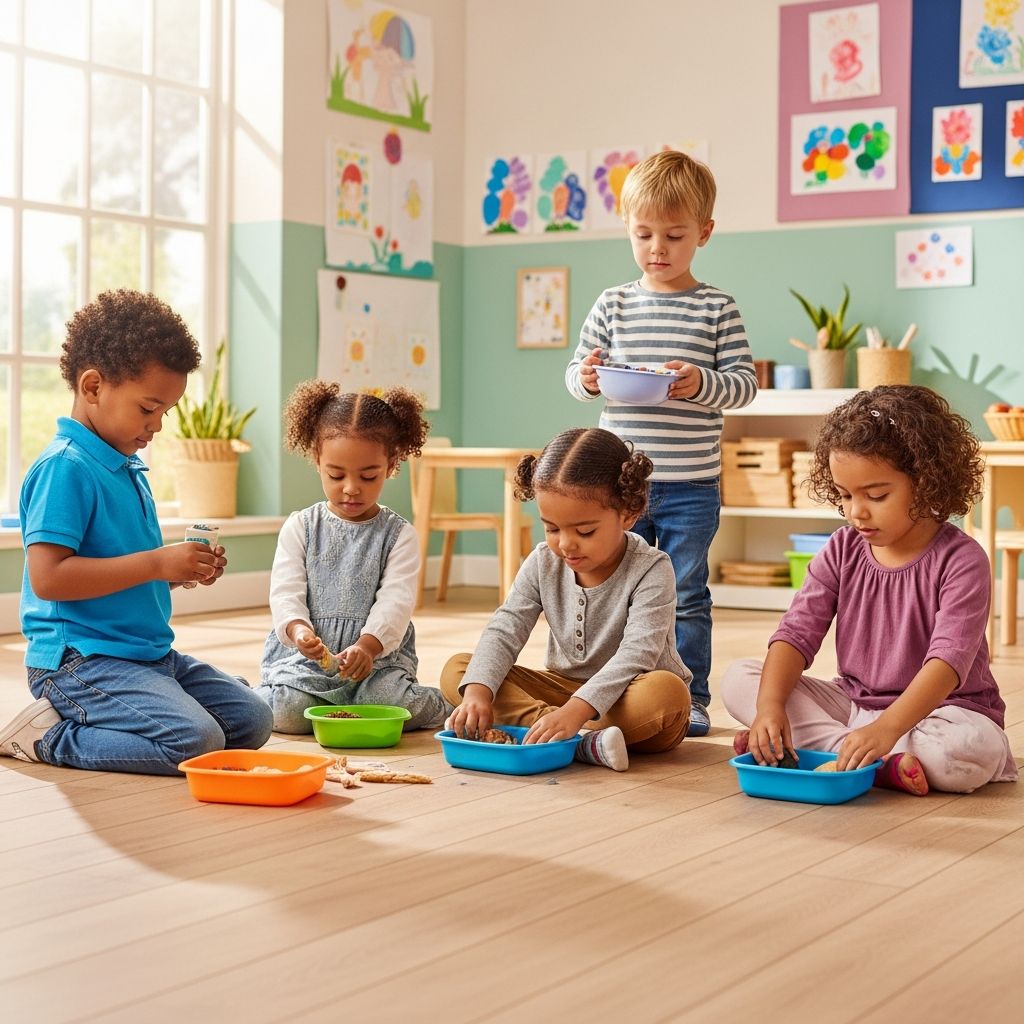
Engaging children’s five senses—sight, hearing, smell, taste, and touch—is a cornerstone of early education. These sensory experiences help young learners make connections between their bodies and the world, boosting cognitive development, language skills, and fine motor abilities. This collection of 35 original activities draws inspiration from proven educational practices to create memorable, hands-on learning moments suitable for preschool through early elementary classrooms or home settings.
Why Sensory Play Matters in Early Childhood
Sensory activities stimulate brain development by activating neural pathways associated with each sense. According to educational research, repeated exposure to varied sensory inputs enhances memory, problem-solving, and emotional regulation in children aged 3-6. Teachers and parents can use these activities to introduce science concepts, build vocabulary, and encourage collaborative play. Start with simple setups using household items to keep costs low and accessibility high.
Sight-Based Adventures: Visual Discovery Games
Activities focusing on sight sharpen observation skills and color recognition. These games encourage children to notice details in their environment.
- Color Quest Outdoors: Provide a checklist of colors and shapes for kids to spot during a playground walk. Discuss findings to build descriptive language.
- Shadow Puppets Theater: Use flashlights and hands or cutouts to create stories on walls, teaching light and shadow concepts.
- Magnifying Glass Hunt: Equip children with magnifying glasses to examine leaves, insects, or fabrics up close, fostering scientific inquiry.
- Memory Tray Challenge: Display 10 small objects for 20 seconds, cover them, and have kids draw what they recall to test visual memory.
- Rainbow Sorting Relay: Scatter colored pom-poms; teams race to sort them into matching bowls, promoting teamwork and quick thinking.
- Pattern Parade: Create bead necklaces following visual patterns, introducing sequencing and math basics.
- Light Box Creations: Shine light through colored cellophane on a box to mix hues, exploring primary and secondary colors.
Hearing-Focused Fun: Auditory Awareness Builders
Sound-based activities tune children’s ears to subtle differences, improving listening comprehension and phonemic awareness essential for reading readiness.
- Noise Maker Symphony: Fill jars with rice, bells, or water; shake and match pairs by sound for rhythmic play.
- Echo Location Game: Blindfold one child who claps to locate others by sound echoes in a room.
- Instrument Improv Circle: Pass homemade shakers; each child adds a beat to build a group composition.
- Sound Storytime: Read a book pausing for kids to mimic animal or environmental noises described.
- Vibration Feel-Along: Place hands on a drum or guitar while playing to connect sound waves to touch.
- Whisper Chain Relay: Whisper sensory words around a circle; the last child acts them out.
- Nature Audio Map: During a walk, draw maps marking sound sources like wind or birds.
Smell Sensations: Olfactory Detection Challenges
Smell activities link scents to memories and emotions, enhancing descriptive skills and cultural awareness through familiar aromas.
- Aroma Guessing Pots: Seal spices in pots; children sniff and name them, then discuss uses.
- Flower Essence Hunt: Collect garden herbs and flowers; crush leaves to release scents and categorize.
- Blind Scent Sort: Use masked jars with citrus, chocolate, or coffee; match to pictures without peeking.
- Seasonal Smell Walk: Note bakery, rain, or pine smells on neighborhood strolls, journaling reactions.
- Perfume Mixing Lab: Blend safe essential oils with water in rollers for custom scents.
- Food Memory Match: Sniff paired fruits like apple and orange; recall personal stories tied to smells.
- Herb Garden Sniff-Off: Grow basil and mint; compare fresh vs. dried versions weekly.
Taste Test Explorations: Flavor Profile Games
Taste activities introduce sweet, sour, salty, bitter, and umami, promoting healthy eating habits and sensory vocabulary.
- Flavor Wheel Spin: Spin to taste samples like yogurt, pickles, or crackers; vote on favorites.
- Edible Texture Tray: Offer crunchy carrots, smooth bananas, chewy raisins for blind taste tests.
- Salad Bar Creation: Chop veggies; let kids assemble and taste custom salads.
- Sweet-Sour Challenge: Pair lemon with honey; discuss how combinations change perceptions.
- Global Bites: Sample hummus, mango, or seaweed to explore world cuisines.
- Taste Journal: Draw faces showing reactions after trying new foods.
- Popcorn Science: Pop kernels and note before/after taste and texture shifts.
Touch and Texture Delights: Tactile Treasure Hunts
Touch experiences develop fine motor skills and spatial awareness through diverse materials.
- Texture Treasure Box: Bury items in sand or rice; retrieve by feel and describe.
- Feely Gloves Relay: Wear gloves hiding objects; pass to identify by touch alone.
- Dough Sculpting Station: Mold playdough into sense-themed shapes like eyes or noses.
- Nature Rubbing Gallery: Use crayons over leaves or bark for textured art.
- Bubble Wrap Stomp: Walk on taped-down sheets to feel pops underfoot.
- Fabric Fashion Show: Drape silks, velvets, and burlap for sensory outfits.
- Water Bead Sensory Bin: Squish colorful orbs that grow in water for calming play.
Integrated Sensory Circuits: Full-Body Experiences
Combine senses in circuits for holistic engagement, mimicking real-world interactions.
| Station | Senses Involved | Materials | Objective |
|---|---|---|---|
| Vision Vortex | Sight, Movement | Spinning tops, mirrors | Track motion |
| Sound Tunnel | Hearing, Touch | PVC pipes, bells | Amplify echoes |
| Aroma Alley | Smell, Taste | Fruit slices, herbs | Pair scents/flavors |
| Touch Tunnel | Touch, Sight | Boxes with fabrics | Crawl and identify |
- Sensory Story Path: Follow a tale where each scene activates different senses.
- Edible Art Gallery: Paint with yogurt and fruits, then taste creations.
- Mystery Box Marathon: Rotate through boxes with multi-sensory surprises.
Advanced Sensory Challenges for Growing Minds
For older preschoolers, add complexity with decision-making and science ties.
- Sense Decision Trees: Chart how sounds or smells prompt actions, like alarms signaling safety.
- Blindfolded Obstacle Course: Rely on voice cues and textures to navigate.
- Sensory Recipe Book: Document group experiments with measurements.
- Emotion-Sense Link: Match feelings to sensory triggers, like cozy blankets for calm.
Frequently Asked Questions
What age group are these activities best for?
Ideal for ages 3-7, with adaptations for younger toddlers or school-age extensions.
Do I need special materials?
Most use recyclables and household items; budgets stay under $20 per activity.
How often should we do sensory play?
3-5 times weekly for 15-30 minutes to reinforce learning without overwhelm.
Can these fit into a busy curriculum?
Yes, integrate into circle time, centers, or science blocks seamlessly.
What if a child has sensory sensitivities?
Offer choices, start small, and provide quiet zones for regulation.
References
- Teacher’s Guide: The Five Senses (PreK to Grade 2) — KidsHealth.org. 2023. https://kidshealth.org/classroom/prekto2/body/functions/senses.pdf
- Five Senses Activities for Preschoolers That Make Learning Fun and Hands-On — Kids USA Montessori. 2024-01-15. https://kidsusamontessori.org/five-senses-activities-for-preschoolers-that-make-learning-fun-and-hands-on/
- 10 Engaging Activities to Teach Kids About the 5 Senses — Lingokids. 2023-05-20. https://lingokids.com/blog/posts/how-to-teach-english-to-children-senses
- 5 Senses Activities for Pre-K and Preschool — PreKinders. 2024. https://www.prekinders.com/category/science/5-senses/
- Early Childhood Development Activities Using the 5 Senses — WCIA News (YouTube). 2023-11-10. https://www.youtube.com/watch?v=oDu85tUnAAE

- Integrated M.A. in Applied Linguistics, University of Hyderabad
- 5+ years in editorial, instructional, SEO, and research-based writing
Sneha is a relationships and lifestyle writer with a strong foundation in applied linguistics and certified training in relationship coaching. She brings over five years of writing experience to theskillvault, crafting thoughtful, research-driven content that empowers readers to build healthier relationships, boost emotional well-being, and embrace holistic living. Her writing and insights reflect the belief that beauty, happiness, and wellness…