
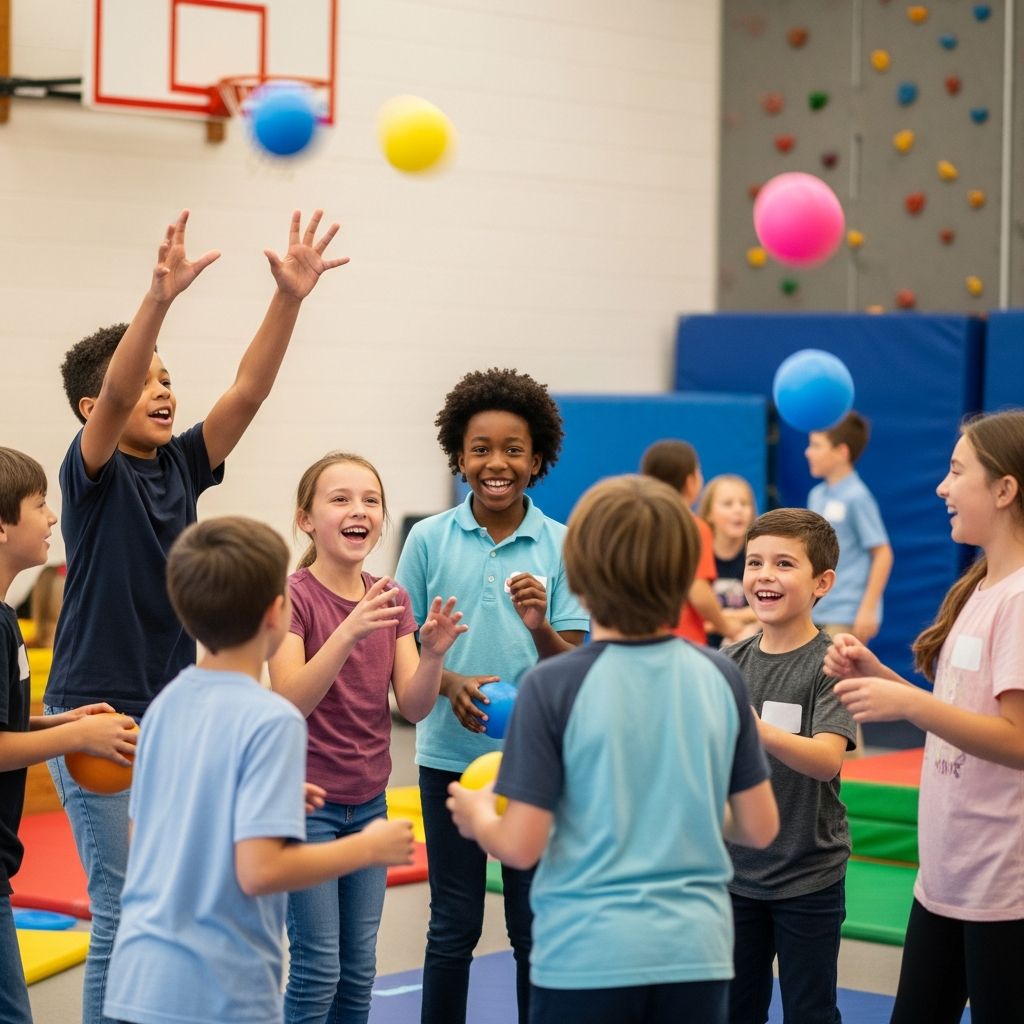
Starting the school day or a new class with energy and connection sets the tone for learning and friendship. Icebreaker activities help young students from elementary through middle school overcome shyness, discover shared interests, and form bonds that last the year. These games require minimal supplies, adapt to different group sizes, and promote skills like communication, listening, and collaboration. Whether for morning meetings, first days, or team-building moments, incorporating these ideas creates memorable experiences that make school feel welcoming and exciting.
Why Icebreakers Matter in Young Classrooms
Icebreakers go beyond mere fun; they lay the foundation for a positive classroom environment. Research from educational psychologists highlights how such activities reduce anxiety and build trust among peers. For elementary kids, who are developing social awareness, these games teach turn-taking and empathy. Middle schoolers, navigating peer dynamics, benefit from structured fun that eases transitions and encourages vulnerability. Teachers report higher participation in lessons following engaging starts, as students feel seen and valued from the outset.
Adapting activities by age ensures success: simpler, movement-based games suit younger groups, while those with strategy appeal to tweens. Always consider inclusivity, offering modifications for diverse abilities, like seated versions for mobility needs. With these principles, icebreakers transform routine gatherings into opportunities for growth.
High-Energy Movement Games to Kick Off the Day
Physical activities get blood flowing and giggles echoing, ideal for energetic mornings. These games work well in gyms, playgrounds, or spacious classrooms, helping students shake off sleepiness.
- Balloon Battle Royale: Tie inflated balloons to each student’s ankle with string. On signal, participants stomp others’ balloons while guarding their own. Last one standing wins. Builds agility, strategy, and resilience; use themed colors for holidays.
- Sound Sphere Toss: Form a circle; students mime throwing ‘sound balls’ with unique noises (e.g., ‘whoosh’ or ‘boing’). Receivers echo the sound and add their own before passing. Add multiple balls for chaos and laughter, enhancing listening and improvisation.
- Tag with a Twist: Designate categories like ‘giants roar,’ ‘wizards wave wands,’ or ‘elves dodge.’ Students freeze in poses; ‘it’ tags based on matches. Promotes quick thinking and physical expression.
These require open space but no fancy equipment, making them perfect for impromptu sessions. Rotate roles to keep everyone involved.
Creative Question-Based Activities for Sharing
Verbal games draw out personalities through prompts, helping quieter students shine. Use props like balls or cards for variety.
- Question Orb Relay: Mark a large ball with prompts like ‘favorite animal’ or ‘dream vacation.’ Toss it; thumb-lander answers before passing. Sparks curiosity and equal sharing.
- Three Claims Challenge: Each shares two truths and one fib about themselves (e.g., ‘I’ve swum with dolphins; I hate pizza; I own three cats’). Group guesses the lie. Boosts memory and storytelling.
- Reflection Circle: Share a ‘rose’ (highlight), ‘thorn’ (challenge), and ‘bud’ (hope) from the week. Fosters empathy and positivity without pressure.
Prepare 20-30 questions in advance for smooth flow. For larger classes, pair up first to build confidence before full-group shares.
Team Challenges That Spark Collaboration
Group tasks reveal strengths and encourage support, mirroring real teamwork.
| Activity | Materials | Group Size | Skills Built |
|---|---|---|---|
| Untangle Puzzle | None | 8-15 | Communication, patience |
| Tower Builders | Marshmallows, sticks | 3-6 | Problem-solving, creativity |
| Chain Memory | None | 10-20 | Listening, recall |
- Untangle Puzzle: Hold hands in a circle, grab two others’ across. Untwist without releasing. Teaches negotiation.
- Tower Builders: Race to stack tallest structure in 15 minutes. Emphasizes planning over speed.
- Chain Memory: First says name-adjective pair (e.g., ‘Jolly Jordan’); next repeats all prior plus theirs. Strengthens attention.
Debrief: What worked? Adjust times for focus spans—10 minutes for elementary, 20 for middle.
Artistic and Low-Key Options for Calm Starts
Not every morning needs high energy. These nurture creativity quietly.
- Personal Patchwork: Draw self-representing squares; assemble into wall display. Reveals hobbies visually.
- Mystery Match Bingo: Cards with traits like ‘plays soccer’ or ‘loves books.’ Mingle to fill grids and chat.
- Story Snowstorm: Write fun facts on papers, crumple, toss. Read and match to owners via questions.
Ideal for indoor days or post-recess calm. Display creations to reinforce community.
Tailoring Icebreakers by Grade Level
Customize for developmental stages:
Elementary (K-5): Focus on play—short, prop-based games like balloon stomps build gross motor skills and basic social rules. Keep instructions visual with demos.
Middle School (6-8): Add depth—strategic elements like lies in truths or reflective shares suit emerging independence. Allow student-led variations for ownership.
Hybrid classes? Offer choices: vote on activities via sticky notes.
Tips for Seamless Implementation
- Set clear rules upfront: respect, no judgments.
- Time-box: 5-15 minutes max to maintain momentum.
- Model enthusiasm; join in!
- Track favorites in a class log for repeats.
- Adapt for virtual: Use polls, breakout rooms, digital whiteboards.
Incorporate weekly for ongoing bonds. Parent newsletters sharing pics (with permission) extends community home.
Frequently Asked Questions
What if a student feels shy during icebreakers?
Pair with buddies or offer observer roles first. Gradually include with positive reinforcement.
How often should we do these activities?
2-3 times weekly, especially Mondays or post-holidays, to reset vibes.
Do icebreakers work for large classes?
Yes—subgroups then shareouts prevent chaos.
Can these fit short morning announcements?
Absolutely; quick ones like question tosses take under 5 minutes.
What about special needs students?
Modify: verbal instead of physical, paired support. Inclusivity enhances all.
References
- 25 Fun Icebreaker Games and Activities for Middle School — Midwest Teachers Institute. 2023. https://www.midwestteachersinstitute.org/25-fun-icebreaker-games-and-activities-for-middle-school/
- 31 Icebreaker Games for Students — SessionLab. 2023-10-01. https://www.sessionlab.com/blog/icebreaker-games-for-students/
- 5 First-Day-of-School Icebreaker Activities for Middle School Students — HMH Co. 2023. https://www.hmhco.com/blog/first-day-of-school-activities-3-middle-school-icebreakers
- 75 Icebreakers to Build Classroom Community — Brisk Teaching. 2023. https://www.briskteaching.com/post/75-ways-to-build-classroom-community
- Icebreakers PDF Guide — University of Florida Division of Student Organizations. 2022. https://www.dso.ufl.edu/documents/nsfp/icebreakers.pdf

Medha Deb is an editor with a master's degree in Applied Linguistics from the University of Hyderabad. She believes that her qualification has helped her develop a deep understanding of language and its application in various contexts. Medha specializes in the areas of beauty, health, sports, and wellness and is committed to ensuring that the content on the website is…