
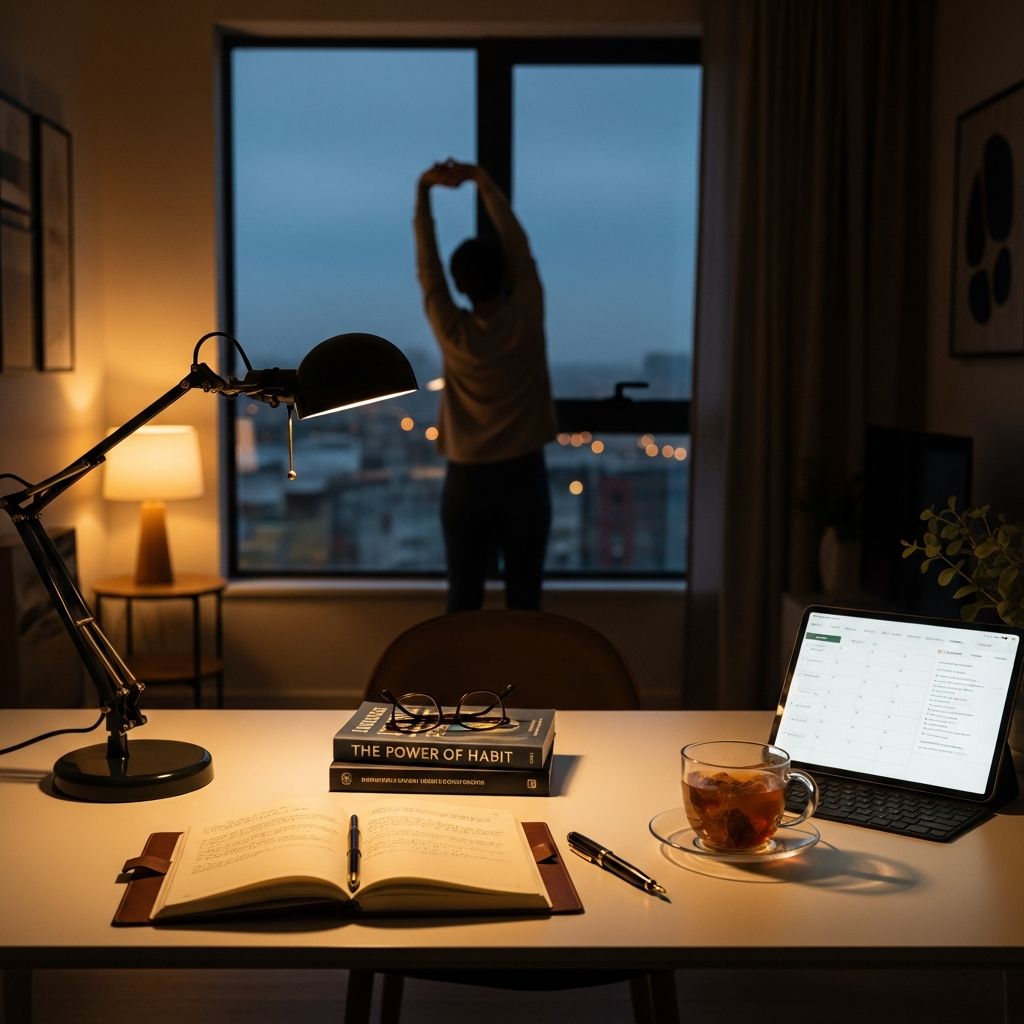
High achievers don’t just excel during daylight hours; their evenings lay the groundwork for sustained success. By adopting intentional nighttime practices, they ensure restorative sleep, mental clarity, and readiness for the next day. This article reveals transformative evening strategies drawn from leaders’ habits, supported by science, to elevate your own routine.
Why Your Evening Matters More Than You Think
The final hours of your day influence tomorrow’s energy, focus, and decisions. Research from the National Sleep Foundation shows that consistent evening behaviors improve sleep quality, which directly correlates with cognitive performance and health. Leaders like former Google CEO Eric Schmidt emphasize sleep’s role in peak functioning, prioritizing 7-9 hours nightly as recommended by the National Institutes of Health.
Without structure, evenings can devolve into screen time or work rumination, disrupting circadian rhythms. A deliberate wind-down signals your body to prepare for rest, reducing stress hormones and enhancing recovery. Successful individuals treat this time as sacred, investing in habits that compound over time.
Essential Pillars of a Winning Nighttime Routine
Top performers build their evenings around core principles: disconnection, reflection, preparation, and relaxation. These aren’t random; they’re strategic choices backed by habits of figures like Barack Obama, Bill Gates, and Arianna Huffington.
- Disconnection: Sever ties from digital and work stimuli to allow mental reset.
- Reflection: Review achievements and lessons to foster growth mindset.
- Preparation: Organize for tomorrow to eliminate morning anxiety.
- Relaxation: Engage body and mind in calming activities for deeper sleep.
Practice 1: Establish a Strict Digital Curfew
One of the first steps high achievers take is unplugging from devices. Arianna Huffington, founder of Thrive Global, bans phones from her bedroom, citing blue light’s interference with melatonin production. This habit prevents notifications from fragmenting sleep cycles.
Implement a ‘tech shutdown’ 60-90 minutes before bed. Dim lights and avoid screens to mimic natural dusk, aligning with circadian biology. Studies confirm this boosts sleep onset by up to 30%. Replace scrolling with analog activities for a calmer mind.
Practice 2: Review and Celebrate the Day’s Wins
Reflection turns experiences into wisdom. Benjamin Franklin ended each day asking, ‘What good have I done today?’ Modern leaders adapt this by journaling three positives from the day. Huffington practices gratitude bookending, noting it transforms sleep quality and outlook.
This counters negativity bias, where brains fixate on flaws. A quick recap—wins, lessons, gratitudes—rewires neural pathways for optimism. Keep a bedside notebook; spend 5 minutes noting specifics like ‘closed a key deal’ or ‘connected meaningfully with a colleague.’
| Reflection Prompt | Purpose | Example Entry |
|---|---|---|
| What went well? | Builds confidence | Delivered presentation flawlessly |
| What to improve? | Drives growth | Listen more in meetings |
| Gratitude moment | Reduces stress | Family dinner laughter |
Practice 3: Plan Tomorrow with Precision
Pre-sleep planning offloads mental clutter. Kenneth Chenault, ex-American Express CEO, lists top three priorities nightly. Obama used quiet evening hours to outline the next day, calling it his most productive time.
Create a ‘success list’ not a endless to-do. Prioritize 3-5 high-impact tasks. This reduces cortisol from unfinished thoughts invading sleep. Tools like paper lists work best—no apps post-curfew.
Practice 4: Move Your Body to Quiet the Mind
Contrary to myths, evening exercise aids sleep. The National Sleep Foundation’s 2013 poll found nighttime activity improves rest for many. Buffer CEO Joel Gascoigne walks 20 minutes nightly to decompress, evaluating the day without work fixation.
Opt for low-intensity: yoga, stretching, or walks. This releases endorphins, lowers anxiety, and tires the body naturally. Avoid high cardio close to bed; aim for 45-60 minutes prior.
Practice 5: Immerse in Restorative Reading
Reading signals wind-down. Obama and Gates dedicate 30+ minutes to books pre-bed, favoring fiction or non-work topics. A University of Sussex study shows six minutes reduces stress by 68%.
Choose physical books—no e-readers. Genres like novels or poetry divert from daily grind. This builds knowledge subconsciously while relaxing the brain.
Practice 6: Embrace Hygiene and Self-Care Rituals
Rituals anchor routines. Oprah Winfrey baths nightly, calling it her ‘ritual’. Gwyneth Paltrow prioritizes skincare for its calming effect. These acts ‘wash away’ the day symbolically.
A warm bath or shower 90 minutes before bed raises then drops core temperature, cueing sleep. Pair with gentle skincare or lotion application for sensory comfort.
Practice 7: Cultivate Connections with Loved Ones
Success includes relationships. Obama carved 90 minutes nightly for Michelle, replenishing his spirit. Quality time combats isolation from demanding careers.
Share unhurried conversations, play games, or cuddle. This releases oxytocin, enhancing emotional bonds and sleep.
Practice 8: Integrate Mindfulness or Meditation
Mindfulness clears mental noise. Many leaders meditate briefly, focusing breath to release tension. Apps are fine pre-curfew, but practice unguided.
Start with 5-10 minutes: seated breathing or body scans. This activates parasympathetic response, countering day’s sympathetic stress.
Practice 9: Optimize Your Sleep Environment
Bedrooms become sanctuaries. Keep cool (60-67°F), dark, quiet. Huffington dims lights early. Consistent bedtime reinforces rhythms.
- Use blackout curtains
- White noise machines
- Breathable bedding
Common Pitfalls and How to Avoid Them
Avoid work bleed, alcohol, heavy meals. Sallie Krawcheck bans bedroom work. Track habits for two weeks; adjust based on sleep quality.
Frequently Asked Questions (FAQs)
Q: How long before bed should I stop screens?
A: At least 60 minutes. Blue light suppresses melatonin; use night modes if essential, but full unplugging is ideal.
Q: Can evening workouts really help sleep?
A: Yes, per National Sleep Foundation data, moderate activity enhances rest without overstimulation if not too vigorous.
Q: What if I can’t fall asleep despite these habits?
A: Track patterns; consult professionals if persistent. Consistency builds efficacy over time.
Q: Is reading the only good pre-bed activity?
A: No, but it’s highly effective. Alternatives: light stretching, journaling, or listening to audiobooks (non-work).
Q: How do I fit this into a busy schedule?
A: Start small—pick 2-3 habits. Scale as routines solidify; evenings reclaim time by improving efficiency.
Transform Your Evenings, Transform Your Life
Implementing these routines yields compounding benefits: sharper focus, resilience, fulfillment. High achievers prove evenings aren’t downtime—they’re prime time for renewal. Begin tonight; track progress weekly for motivation.
References
- The Most Important Nighttime Habits of Successful People — Good Housekeeping. 2024-10-15. https://www.goodhousekeeping.com/health/wellness/a69950615/nighttime-habits-successful-people/
- 9 Nighttime Habits of Highly Successful People — The Alexander Group. 2023-05-12. https://thealexandergroup.com/9-nighttime-habits-of-highly-successful-people/
- 6 Evening Rituals of Highly Successful People — Ivy Exec. 2016-11-08. https://ivyexec.com/career-advice/2016/evening-rituals-successful-people/
- Good daily habits during the early stages of life determine success — PMC (National Library of Medicine). 2016-12-01. https://pmc.ncbi.nlm.nih.gov/articles/PMC5241625/

- Integrated M.A. in Applied Linguistics, University of Hyderabad
- 5+ years in editorial, instructional, SEO, and research-based writing
Sneha is a relationships and lifestyle writer with a strong foundation in applied linguistics and certified training in relationship coaching. She brings over five years of writing experience to theskillvault, crafting thoughtful, research-driven content that empowers readers to build healthier relationships, boost emotional well-being, and embrace holistic living. Her writing and insights reflect the belief that beauty, happiness, and wellness…