
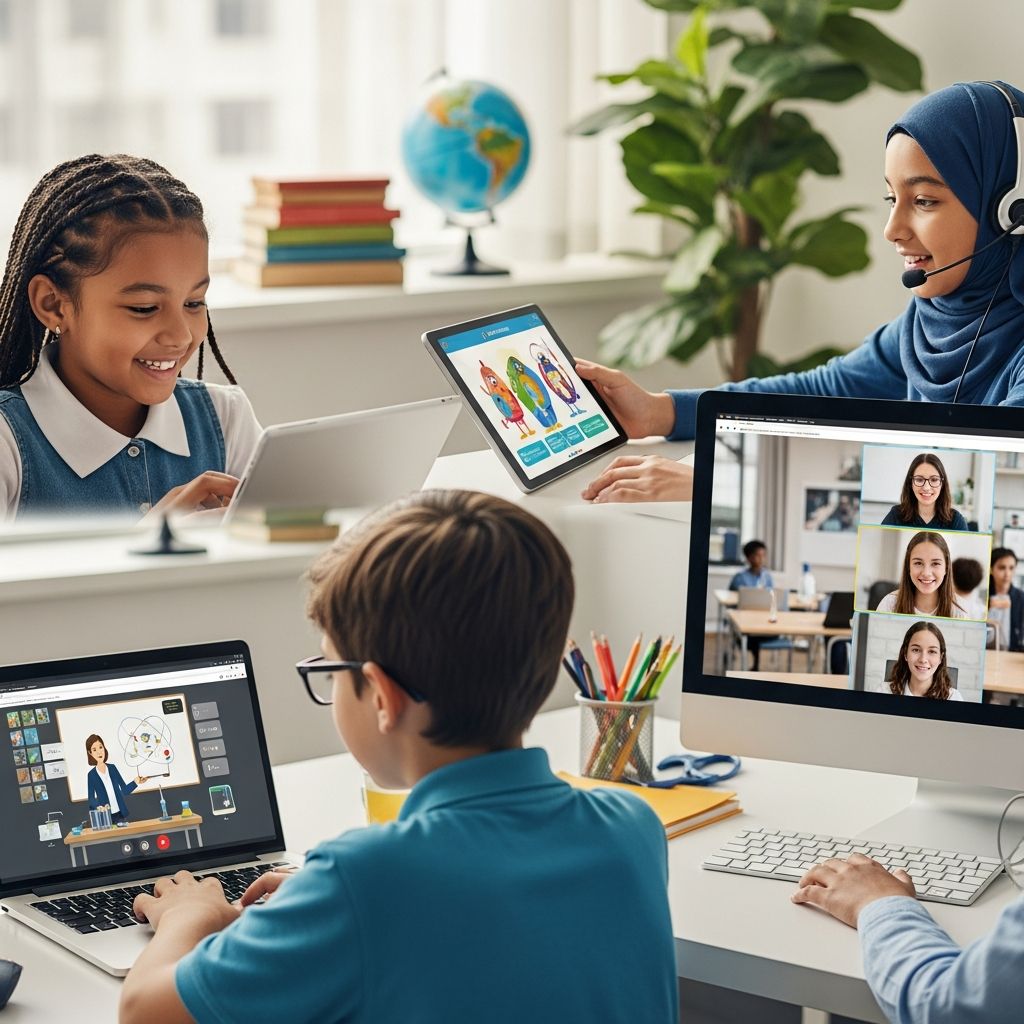
The landscape of K-12 education has evolved dramatically over the past two decades, with online learning platforms emerging as legitimate alternatives to traditional brick-and-mortar institutions. Modern virtual schools offer comprehensive, accredited programs designed to meet the diverse needs of students across all grade levels, from kindergarten through high school. These programs combine the flexibility of distance learning with rigorous academic standards, personalized instruction, and robust community engagement.
Understanding the Virtual School Model
Virtual schools operate as tuition-free public school programs, offering families an opportunity to pursue education outside the conventional classroom environment without bearing additional financial burden. Unlike private online schools, these institutions are subsidized by state funding, making quality education accessible to families regardless of socioeconomic status. The model leverages technology and expert curriculum design to create learning experiences that adapt to individual student needs, interests, and learning styles.
The virtual school framework represents a fundamental shift in how education is delivered and experienced. Rather than confining learning to specific times and places, these programs recognize that students have different optimal conditions for academic success. Some thrive with structured schedules while others benefit from greater flexibility. Virtual schools accommodate both preferences within a comprehensive educational structure.
Comprehensive Curriculum Framework
Online K-12 programs maintain rigorous academic standards across all subject areas while introducing flexibility in how content is delivered and accessed. The curriculum spans traditional core subjects including mathematics, science, language arts, and social studies, with progressive complexity appropriate to each grade level. Beyond foundational courses, students access specialized electives that foster intellectual curiosity and support career exploration.
Course Offerings and Academic Pathways
High school students at accredited virtual institutions can pursue college preparatory tracks that include Advanced Placement and honors-level courses, positioning them competitively for university admission. These programs often feature partnerships with higher education institutions that enable early college credit opportunities in select states, allowing motivated students to progress toward degrees while completing secondary education.
The curriculum design prioritizes skill development alongside content mastery. Students engage with:
- Digital literacy and information technology competencies
- Critical thinking and analytical reasoning skills
- Collaborative project-based learning experiences
- Written and oral communication proficiency
- Research and data interpretation capabilities
Specialized electives extend learning beyond traditional subjects. Options typically include digital photography, marine science, game design, world languages, and emerging technology courses. These offerings encourage students to explore diverse interests while developing expertise in areas that align with personal and professional aspirations.
Accreditation and Quality Assurance
Academic credibility represents a cornerstone of reputable virtual education programs. Accreditation by recognized bodies like Cognia ensures that institutions meet established educational standards and maintain accountability to regulatory bodies and families. Many individual state-level virtual school programs secure additional specialized accreditations, creating multiple layers of quality verification.
Accreditation processes typically evaluate curriculum design, instructor qualifications, student achievement metrics, financial stability, and operational procedures. This rigorous assessment provides families confidence that their students receive education meeting or exceeding conventional public school standards. Accredited status also facilitates transfer of credits to traditional schools or other educational institutions, should families transition educational pathways.
Personalized Learning and Adaptive Instruction
One of the defining advantages of modern virtual education is the capacity to tailor learning experiences to individual student characteristics. Rather than forcing all learners into identical paces and instructional approaches, personalized learning plans recognize that students progress at different rates, have distinct learning preferences, and pursue varied academic and career goals.
Each student works with school counselors and educational specialists to develop learning plans reflecting their:
- Academic strengths and areas requiring additional support
- Career interests and post-secondary aspirations
- Learning style preferences (visual, auditory, kinesthetic)
- Personal goals and individual circumstances
- Pacing preferences for content mastery
This individualized approach contrasts sharply with traditional classroom models where instruction typically proceeds at a uniform pace regardless of student readiness. Virtual school structures allow acceleration for advanced learners and additional scaffolding for students needing extra support, often within the same course or subject area.
The Learning Coach Partnership Model
Virtual education fundamentally reimagines the parental role in a student’s educational journey. Rather than parents acting as homework helpers or observers, they serve as Learning Coaches—active participants in their child’s educational progress. This partnership model recognizes that parent involvement significantly influences student achievement and engagement.
The Learning Coach role involves:
- Facilitating student access to course materials and technology resources
- Monitoring academic progress through learning management systems
- Encouraging time management and organizational skill development
- Supporting communication between students and certified teachers
- Creating structured learning environments within the home
- Attending parent workshops and professional development sessions
Schools supporting virtual learners provide comprehensive resources to help parents succeed in this role. Professional development opportunities, instructional guides, and responsive support teams ensure that parents have knowledge and tools necessary to support their students effectively. This collaborative approach transforms education from something that happens to students into something families undertake together.
Community Building and Social Development
A common misconception about virtual education suggests that online learning necessarily isolates students from peer interaction and community engagement. In reality, accredited virtual programs intentionally incorporate social and collaborative components ensuring students develop communication skills and build meaningful relationships.
Community engagement opportunities include:
- Collaborative group projects requiring peer interaction
- Virtual clubs focused on shared interests and activities
- In-person field trips bringing students together for experiential learning
- School-wide events and celebrations
- Student leadership and service opportunities
- Extracurricular activities and competitions
This multifaceted approach to community demonstrates that social development need not depend exclusively on physical classroom proximity. Virtual environments actually enable students to connect with peers who share specific interests, potentially creating stronger bonds based on genuine commonality rather than circumstantial enrollment.
Technology Infrastructure and Learning Environment
The effectiveness of virtual education depends fundamentally on robust technological infrastructure and accessible digital tools. Reputable virtual school programs invest significantly in learning management systems, instructional platforms, and technical support ensuring students can access coursework reliably and participate fully in learning activities.
While tuition remains free, families should anticipate potential technology-related costs that may include:
- Computing devices (laptops or tablets) meeting program specifications
- Reliable internet connectivity meeting bandwidth requirements
- School supplies and materials for certain subjects
- Optional field trip participation fees
Most programs work with families to identify support options for technology access, recognizing that cost barriers should not prevent qualified students from participating in quality education.
Preparing for Post-Secondary Success
Virtual high school programs explicitly prepare students for transitions beyond secondary education, whether through college enrollment, career training, or workforce entry. Comprehensive support structures help students understand graduation requirements, explore educational pathways, and develop competencies required for success in increasingly complex global environments.
College and career preparation resources typically include:
- AP and honors course offerings strengthening university applications
- Career exploration and aptitude assessments
- College planning workshops and counseling services
- Partnerships with professional organizations supporting career readiness
- Internship and work-based learning opportunities
- Financial aid guidance and scholarship information
Through these integrated supports, virtual school graduates develop not only academic knowledge but also practical competencies, professional networks, and clarity about their future directions.
Addressing Diverse Learning Needs
Virtual education platforms serve students with highly varied circumstances and requirements. Some students pursue online learning because they need flexibility to balance academics with athletics, arts training, or family responsibilities. Others benefit from the individualized pacing and additional support available in virtual environments. Still others seek specialized courses or opportunities not available in their geographic region.
The inclusive nature of virtual programs means they serve:
- Academically advanced students seeking challenge and enrichment
- Students requiring additional academic support and interventions
- Learners with health conditions necessitating educational flexibility
- Student-athletes managing training schedules with academics
- Highly creative or specialized learners pursuing unique pathways
- Students in rural areas with limited school options
This diversity strengthens virtual learning communities while demonstrating that educational success takes multiple pathways.
Frequently Asked Questions
What makes virtual education different from traditional homeschooling?
Virtual schools employ certified teachers, provide structured curricula meeting state standards, offer specialized courses, and deliver instruction through interactive platforms. Homeschooling typically involves parents directing their child’s education using varied resources. Virtual schools combine professional instruction with parental support through the Learning Coach model.
How do students interact with teachers in virtual programs?
Teachers in virtual schools hold office hours, facilitate live virtual meetings, provide written feedback on assignments, and maintain regular contact with students. Communication happens through learning management systems, email, phone, and video conferencing, creating multiple channels for instruction and support.
Is virtual education appropriate for all grade levels?
Accredited virtual programs serve students from kindergarten through high school. Younger students typically require more intensive parental involvement, while older students develop increasing independence. Programs structure support appropriately for developmental stages.
How are credits and diplomas from virtual schools recognized?
Accredited virtual schools issue credits and diplomas meeting state graduation requirements. These credentials transfer to traditional schools and satisfy university admission standards, since they come from state-approved educational institutions.
What happens if a student decides to return to traditional school?
Accredited virtual school credits transfer seamlessly to traditional public, private, and charter schools. Students maintain their academic progress and standing when transitioning educational environments.
The Future of K-12 Education
Virtual K-12 education represents not a replacement for traditional schools but rather an expansion of options acknowledging that students learn differently and have varying educational needs. As technology continues advancing and educational research reveals increasingly sophisticated understandings of how learning happens, virtual programs will likely continue evolving to incorporate innovations while maintaining rigorous academic standards.
The growth of accredited virtual education demonstrates that education can be simultaneously flexible and rigorous, individualized and academically demanding, technology-enhanced and deeply human. By combining expert curriculum design, professional instruction, family partnership, and community engagement, modern virtual schools help diverse students discover their capabilities and develop the knowledge, skills, and confidence required for meaningful participation in an increasingly complex world.
References
- Connections Academy – Wikipedia — Wikipedia contributors. Accessed 2026-02-06. https://en.wikipedia.org/wiki/Connections_Academy
- Online High School Courses – Connections Academy — Connections Academy. 2026. https://www.connectionsacademy.com/program/curriculum/online-high-school/high-school-grade-courses/
- About Us – Connections Academy — Connections Academy (Pearson). 2026. https://www.connectionsacademy.com/about/
- K-12 Online School Programs – Connections Academy — Connections Academy. 2026. https://www.connectionsacademy.com/program/
- K-12 Online School Curriculum – Connections Academy — Connections Academy. 2026. https://www.connectionsacademy.com/program/curriculum/
- What Is Connections Academy? – An Accredited K-12 Online School — Connections Academy. 2026. https://www.connectionsacademy.com/about/what-to-expect/

- Integrated M.A. in Applied Linguistics, University of Hyderabad
- 5+ years in editorial, instructional, SEO, and research-based writing
Sneha is a relationships and lifestyle writer with a strong foundation in applied linguistics and certified training in relationship coaching. She brings over five years of writing experience to theskillvault, crafting thoughtful, research-driven content that empowers readers to build healthier relationships, boost emotional well-being, and embrace holistic living. Her writing and insights reflect the belief that beauty, happiness, and wellness…