
Why Allied Health Is a Powerful Career Choice
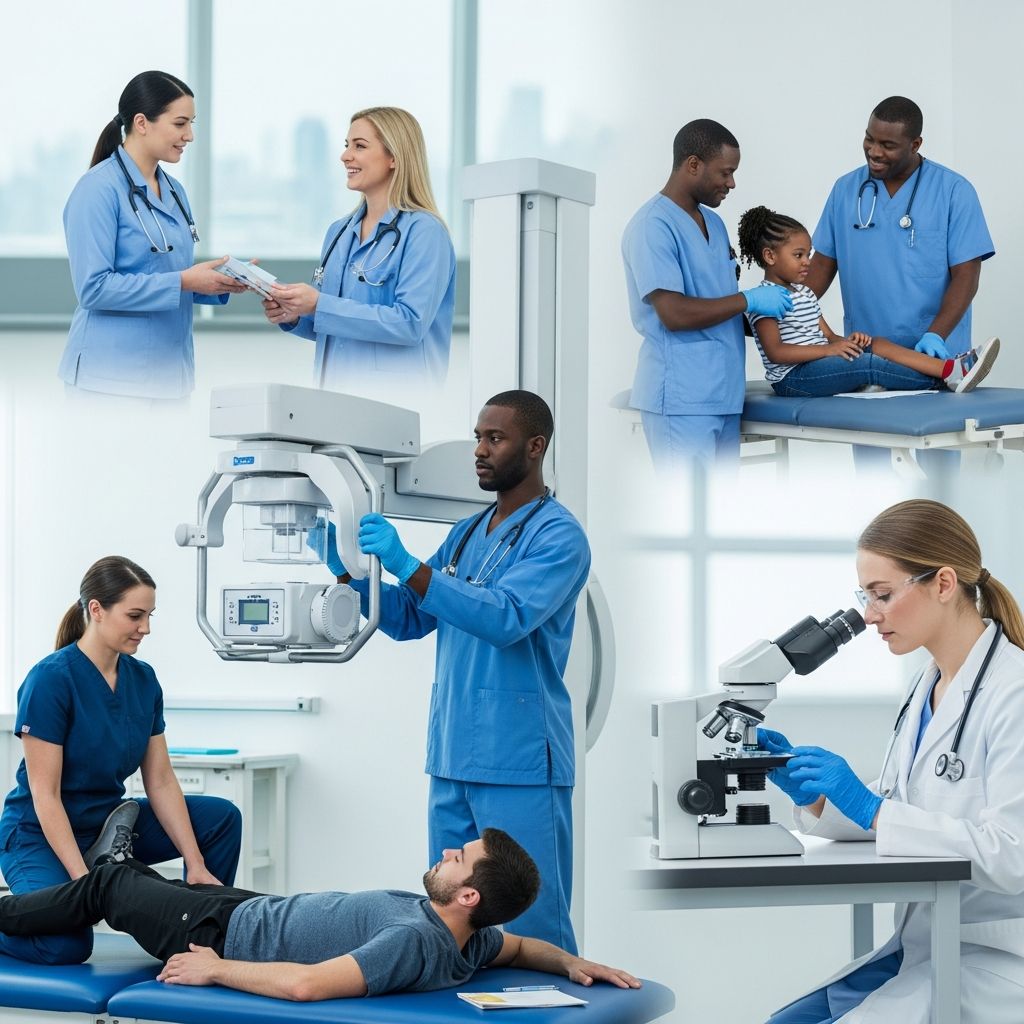
For many people, a meaningful career means doing work that improves lives, offers stability, and allows for continuous growth. Allied health professions sit at the intersection of all three. These roles are not just support staff; they are essential specialists who diagnose, treat, rehabilitate, and manage care for millions of patients every year. Whether it’s a physical therapist helping someone walk again, a radiologic technologist capturing images that guide life-saving decisions, or a dietitian designing a nutrition plan for chronic disease, allied health professionals are deeply involved in patient outcomes.
Unlike the more commonly discussed paths of medicine and nursing, allied health is a broad, diverse category that includes dozens of distinct professions. This breadth means there are options for people with different interests, educational preferences, and work styles. Some roles require only a certificate or associate degree, while others demand a bachelor’s, master’s, or even doctoral-level education. The field is also growing rapidly, driven by aging populations, advances in medical technology, and a greater focus on preventive and rehabilitative care.
What Exactly Is an Allied Health Professional?
Allied health professionals are healthcare workers whose roles are distinct from physicians, nurses, and pharmacists, but who are equally vital to the functioning of the healthcare system. They apply scientific knowledge and evidence-based practice to diagnose, treat, and manage a wide range of conditions. Their work spans diagnostics, therapy, rehabilitation, health promotion, and healthcare administration.
These professionals are found in hospitals, outpatient clinics, long-term care facilities, schools, private practices, and even in patients’ homes. They collaborate closely with doctors and nurses, but they also often have significant autonomy in their areas of expertise. For example, a speech-language pathologist evaluates and treats communication disorders independently, while a medical laboratory scientist performs complex tests that directly influence diagnosis and treatment decisions.
Core Areas of Allied Health Work
Allied health is not a single job, but a large ecosystem of specialized roles. These can be grouped into several broad functional areas:
- Diagnostic Services: Professionals who help identify diseases and conditions through testing and imaging. Examples include radiologic technologists, medical laboratory scientists, and diagnostic medical sonographers.
- Therapeutic and Rehabilitative Services: Roles focused on restoring and maintaining function. This includes physical therapists, occupational therapists, respiratory therapists, and speech-language pathologists.
- Preventive and Health Promotion: Careers that emphasize wellness, disease prevention, and education. Dental hygienists, athletic trainers, and health educators fall into this category.
- Health Informatics and Administration: Professionals who manage health data, systems, and operations. Health information managers, health administrators, and some public health roles are part of this group.
- Advanced Practice and Mid-Level Providers: Roles such as physician assistants and nurse practitioners, who can diagnose, treat, and prescribe under certain scopes of practice.
Each of these areas offers multiple career paths, with varying levels of patient interaction, technical skill, and responsibility.
Why These Roles Matter in Modern Healthcare
The healthcare system cannot function without allied health professionals. They make up a large portion of the healthcare workforce—estimates suggest they account for about 60% of all health professionals in the United States. Their contributions are critical in several ways:
- Expanding Access to Care: By taking on specialized tasks, allied health professionals free up physicians and nurses to focus on complex medical decisions, allowing more patients to be seen and treated efficiently.
- Improving Patient Outcomes: Early diagnosis, effective rehabilitation, and consistent preventive care all rely heavily on allied health expertise. For example, timely imaging and lab results can mean the difference between early intervention and advanced disease.
- Supporting Chronic Disease Management: As populations age and chronic conditions like diabetes, heart disease, and respiratory disorders become more common, allied health professionals play a central role in managing these conditions through therapy, education, and monitoring.
- Enhancing Quality of Life: Many allied health roles focus not just on survival, but on function and well-being. Physical and occupational therapists, for instance, help people regain independence after injury or illness, which has a profound impact on daily life.
From a systems perspective, allied health professionals also help keep healthcare delivery efficient and cost-effective by preventing complications, reducing hospital readmissions, and supporting preventive strategies.
Job Outlook and Growth Trends
Allied health is one of the fastest-growing segments of the healthcare workforce. According to the U.S. Bureau of Labor Statistics, many allied health occupations are projected to grow much faster than the average for all occupations over the next decade.
Key drivers of this growth include:
- An aging population that requires more diagnostic testing, rehabilitation, and chronic disease management.
- Increased demand for outpatient and home-based care, which relies heavily on therapists, technicians, and home health aides.
- Advances in medical technology that create new diagnostic and treatment modalities, requiring trained professionals to operate and interpret them.
- Greater emphasis on preventive care and wellness, which expands the role of health educators, dietitians, and preventive specialists.
Because of this strong demand, many allied health careers offer good job security, competitive salaries, and opportunities for advancement. Some roles, particularly those requiring advanced degrees or specialized certifications, can command salaries well above the national median.
Education and Training Pathways
One of the strengths of allied health is the variety of entry points. Depending on the specific profession, training can range from a few months to several years. Common pathways include:
- Certificate and Diploma Programs: Typically one year or less, these prepare students for technician or assistant roles, such as medical assistants, phlebotomists, or EMTs.
- Associate Degrees: Two-year programs that lead to roles like radiologic technologist, respiratory therapist, or dental hygienist.
- Bachelor’s Degrees: Four-year degrees for professions such as medical laboratory science, health information management, or athletic training.
- Graduate and Professional Degrees: Master’s or doctoral programs for advanced roles like physical therapy, occupational therapy, physician assistant, or speech-language pathology.
Most allied health careers also require licensure, certification, or registration, which typically involves passing a national exam and meeting continuing education requirements. These credentials ensure that professionals meet consistent standards of knowledge and practice.
Choosing the Right Allied Health Career for You
With so many options, it can be challenging to decide which allied health path is the best fit. A useful approach is to reflect on your personal strengths, interests, and long-term goals. Consider questions like:
- Do I prefer working directly with patients, or am I more interested in behind-the-scenes roles like lab work or data management?
- Am I drawn to hands-on, technical work, or do I prefer counseling, education, and communication?
- How much time and money am I willing to invest in education and training?
- Do I want a career with high autonomy and decision-making responsibility, or am I comfortable working under supervision?
- What kind of work environment do I thrive in—fast-paced hospitals, quieter outpatient clinics, schools, or administrative offices?
For example, someone who enjoys problem-solving and technology might thrive as a medical laboratory scientist or radiologic technologist. Someone who is empathetic and enjoys teaching might be well-suited to health education, dietetics, or occupational therapy. People who like physical activity and direct patient interaction might prefer physical therapy or athletic training.
Comparing Key Allied Health Careers
To help illustrate the range of options, here is a simplified comparison of several common allied health roles:
| Profession | Typical Education | Licensure/Certification | Median Annual Wage (U.S.) | Job Growth Outlook |
|---|---|---|---|---|
| Physical Therapist | Doctoral degree (DPT) | Licensed | $95,000+ | Very high |
| Occupational Therapist | Master’s degree | Licensed | $90,000+ | Very high |
| Physician Assistant | Master’s degree | Licensed | $120,000+ | Very high |
| Medical Laboratory Scientist | Bachelor’s degree | Certified (e.g., ASCP) | $60,000–$80,000 | High |
| Radiologic Technologist | Associate or bachelor’s degree | Licensed/Certified | $65,000–$75,000 | High |
| Dental Hygienist | Associate degree | Licensed | $80,000+ | High |
| Health Information Manager | Bachelor’s degree | Certified (e.g., RHIA) | $70,000–$90,000 | High |
Note: Wages and growth outlook are approximate and based on recent U.S. data; actual figures vary by location, experience, and employer.
How to Get Started in an Allied Health Career
If you’re interested in pursuing a career in allied health, here are practical steps to begin:
- Research Careers: Explore different allied health professions to understand their day-to-day responsibilities, work environments, and required qualifications.
- Assess Your Fit: Match your skills, interests, and values with specific roles. Consider shadowing professionals or speaking with people in the field.
- Choose a Program: Select an accredited educational program that aligns with your chosen career. Accreditation is important for licensure and employment.
- Complete Required Training: Enroll in and successfully complete your coursework, clinical rotations, and any required exams.
- Obtain Licensure or Certification: Apply for and pass any required state or national exams to become licensed or certified.
- Gain Experience: Start in entry-level or supervised roles to build skills and confidence. Many careers offer clear pathways for advancement with experience and further education.
- Continue Learning: Stay current with new developments through continuing education, professional development, and possibly advanced degrees.
Challenges and Considerations
While allied health careers offer many rewards, they also come with challenges that are important to consider:
- Emotional Demands: Working with sick, injured, or chronically ill patients can be emotionally taxing. Strong coping skills and support systems are essential.
- Physical Demands: Many roles involve standing for long periods, lifting patients, or repetitive motions, which can lead to physical strain over time.
- Regulatory and Administrative Burden: Licensing, continuing education, and compliance with healthcare regulations require ongoing attention.
- Work-Life Balance: Shift work, on-call duties, and high-pressure environments can make it difficult to maintain a balanced personal life, especially in hospital settings.
- Scope of Practice Limitations: Some roles have strict boundaries on what they can do, which may require working under supervision or within a team.
Understanding these challenges in advance can help you choose a career that aligns not only with your strengths but also with your long-term well-being.
Maximizing Impact and Advancement
Once you’re in the field, there are several ways to increase your impact and advance your career:
- Specialize: Many allied health professions offer subspecialties (e.g., pediatric physical therapy, cardiac rehabilitation, forensic health information) that can make you more valuable and open up new opportunities.
- Pursue Leadership Roles: With experience, you can move into supervisory, managerial, or administrative positions, such as department head, clinic manager, or health services director.
- Engage in Research and Policy: Some professionals contribute to improving care by participating in research, quality improvement projects, or public health initiatives.
- Teach and Mentor: Experienced allied health professionals often take on roles in education, training the next generation of practitioners.
- Work in Underserved Areas: Practicing in rural, low-income, or global health settings can significantly increase your impact, especially where access to care is limited.
Frequently Asked Questions
What is the difference between allied health and nursing?
Nursing is a distinct healthcare profession focused on direct patient care, medication administration, and coordination of care under medical direction. Allied health includes a wide range of other professions that support diagnosis, treatment, rehabilitation, and health systems, but are not part of the nursing or medical professions.
Can I switch into allied health from another field?
Yes, many people transition into allied health from other careers. Some roles accept prior healthcare experience or related coursework, and many programs are designed for career changers. It’s important to research specific program requirements and consider how your existing skills might transfer.
Are allied health careers in demand?
Yes, most allied health careers are in high demand due to demographic trends, advances in medicine, and the expansion of outpatient and preventive care. Many roles are projected to grow faster than average over the next decade.
How long does it take to become an allied health professional?
It varies widely by profession. Some roles can be entered with a few months of training, while others require four or more years of education plus clinical training. The time investment depends on the specific career and level of responsibility.
Do I need to be good at science to succeed in allied health?
Most allied health careers require a solid understanding of biology, anatomy, and related sciences, especially for diagnostic and therapeutic roles. However, there are also roles in health administration and informatics that may place more emphasis on management, data, and systems than on clinical science.
References
- What is Allied Health? — Association of Schools Advancing Health Professions (ASAHP). Accessed 2025. https://www.asahp.org/what-is
- Healthcare Occupations — U.S. Bureau of Labor Statistics, Occupational Outlook Handbook. 2024. https://www.bls.gov/ooh/healthcare/
- Allied Health Professionals — Federation of Health Associations of the Philippines. 2023. https://www.fha.org/common/Uploaded%20files/FHA/Allied-Health-Professions-Final.pdf

Medha Deb is an editor with a master's degree in Applied Linguistics from the University of Hyderabad. She believes that her qualification has helped her develop a deep understanding of language and its application in various contexts. Medha specializes in the areas of beauty, health, sports, and wellness and is committed to ensuring that the content on the website is…