
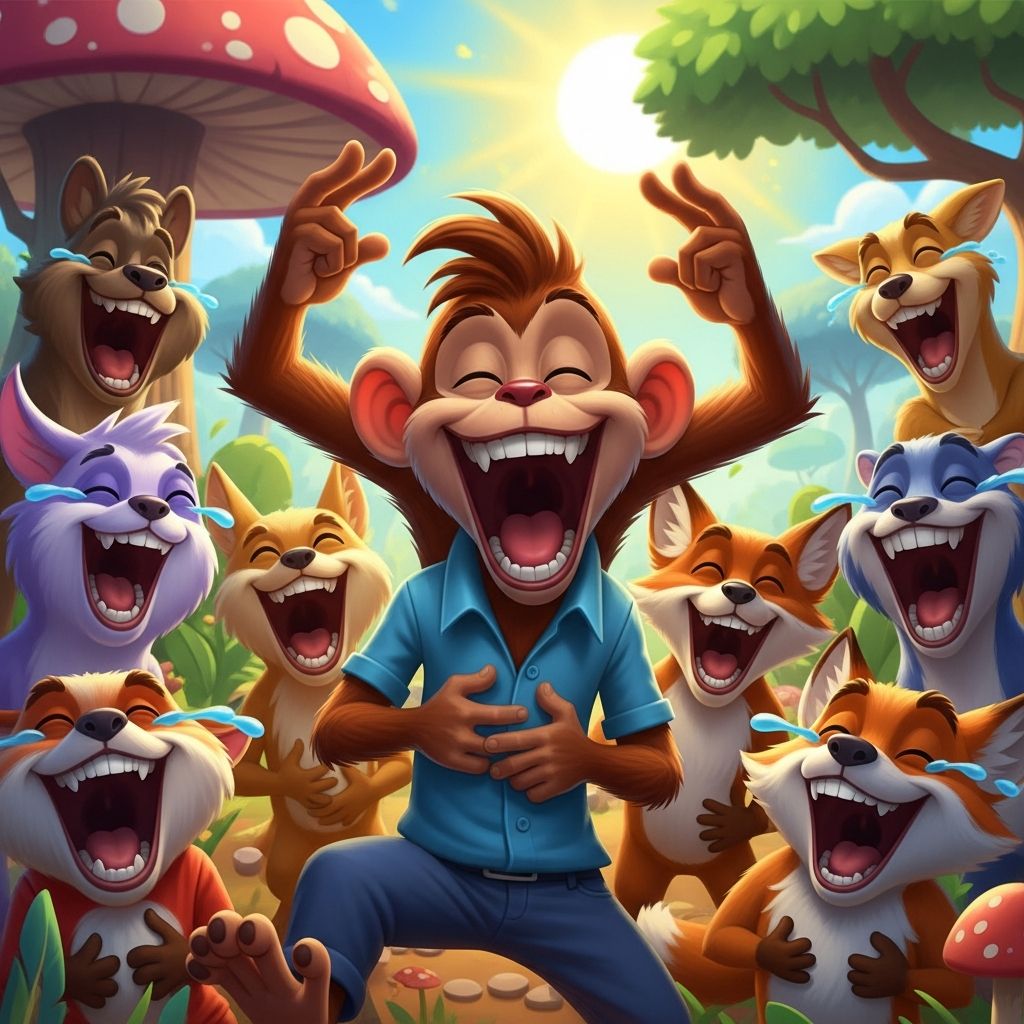
Laughter is one of the most valuable gifts we can offer children. It brings joy, reduces stress, and creates memorable bonding moments between adults and young learners. Animal-themed humor stands out as a particularly effective way to engage children across all age groups, combining silly wordplay with creatures they know and love. Whether you’re a parent looking to brighten a child’s day, an educator seeking classroom icebreakers, or simply someone who enjoys wholesome comedy, animal jokes provide an endless source of entertainment that transcends age barriers.
Why Children Love Animal-Centered Comedy
Animals captivate children’s imaginations in unique ways. From household pets to wild creatures encountered in nature documentaries, kids develop genuine curiosity and affection for both familiar and exotic animals. When humor involves these beloved creatures, it creates an immediate connection. Animal jokes leverage this natural fascination while introducing children to linguistic concepts like puns, double meanings, and clever wordplay. This type of humor doesn’t rely on complex cultural references or sophisticated timing—instead, it celebrates the simple joy of language manipulation and unexpected punchlines.
The appeal extends beyond mere entertainment. Comedy involving animals helps children develop cognitive skills, including comprehension of language nuances, pattern recognition, and creative thinking. When a child understands why a joke is funny, they’re essentially grasping how words can have multiple meanings and how context shapes interpretation.
Farm Animals: The Classic Comedy Gold Mine
Farm animals have provided comedic material for generations. Their distinctive sounds, behaviors, and cultural associations make them perfect subjects for joke construction. Children instantly recognize these creatures, and the familiar context allows jokes to land effectively.
Consider the enduring popularity of cow-related humor. Cows have become synonymous with certain sounds and phrases—”moo” being the obvious starting point. Smart wordplay builds from this foundation, creating jokes that are simultaneously obvious enough for young children to understand yet clever enough to amuse older audiences. Similar patterns emerge with chickens, pigs, sheep, and other barnyard residents, each bringing their distinctive characteristics to the humor equation.
What makes farm animal jokes particularly effective in educational settings is their versatility. Teachers can incorporate them into lessons about animal sounds, farm life, and even phonetic concepts. A simple joke becomes a teaching tool when used strategically in the classroom environment.
Popular Farm Humor Categories
- Sound-Based Jokes: Playing with animal vocalizations and how they sound when manipulated or combined with human language
- Behavioral Humor: Exaggerating or reimagining how animals typically act in unexpected scenarios
- Wordplay Puns: Creating double meanings using animal-related terms and similar-sounding words
- Occupational Jokes: Imagining farm animals in human professions or situations
Wild and Exotic Animal Comedy
Beyond the farm, wild animals offer an entirely different comedic landscape. Big cats, primates, aquatic creatures, and birds each bring unique qualities that lend themselves to humor. Elephants, with their impressive size and distinctive features, have generated countless jokes exploiting these characteristics. The contrast between their massive appearance and imagined delicate sensibilities creates comedic tension that children find delightful.
Aquatic animals present opportunities for water-based puns and wordplay. Fish jokes frequently involve banking puns, school references, and creative uses of fish-related vocabulary. Birds enable humor based on flight capabilities, bird-specific behaviors, and the variety of bird names that sound funny to young ears.
Primates inspire jokes playing on human-like behaviors and intelligence. Monkeys and apes become vehicles for exploring what happens when animal actions mimic human ones, creating absurd scenarios that tickle children’s funny bones. The familiarity of primate behavior to human conduct makes these jokes particularly effective at generating that moment of recognition followed by laughter.
Household Pet Humor for Every Dog, Cat, and Critter Lover
Pets hold special places in children’s hearts and homes. Dog jokes capitalize on canine loyalty, playfulness, and distinctive traits. Cat humor exploits feline independence, mysterious behaviors, and cultural perceptions about cats’ attitudes. Small pets like hamsters, rabbits, and guinea pigs offer opportunities for size-based humor and unexpected capabilities.
Pet-themed jokes resonate powerfully because many children have direct experience with these animals. A child who owns a dog or cat instantly connects with jokes about their pet’s personality or typical behaviors. This personal connection transforms a simple joke into something more meaningful—it becomes commentary on their own pet, making the humor feel more authentic and entertaining.
The format of pet jokes varies widely. Some play on command-response dynamics with dogs, others explore the mysterious nature of cat behavior, and many celebrate the unconditional love pets provide while acknowledging their quirks and foibles. This variety ensures that every child finds pet jokes they can relate to and repeat to friends and family.
Wordplay, Puns, and Linguistic Cleverness
The most memorable animal jokes often feature exceptional wordplay. These jokes work on multiple levels simultaneously. On the surface, there’s an obvious answer that satisfies the initial setup. Beneath that lies clever linguistic manipulation—homophones, compound words, and double meanings that create the actual punchline.
Pun-based animal jokes teach children that language is flexible and playful. Words can mean different things depending on context. Homophone jokes, where two words sound identical but carry different meanings, introduce fundamental linguistic concepts in entertaining ways. When children understand that “bear” can refer to the animal or represent an action, they’re developing sophisticated language awareness.
The most sophisticated animal jokes combine multiple layers of wordplay. A single joke might involve a homophone, a pun on a common phrase, and a reference to the animal’s typical behavior, all working together to create surprise and delight. These complex jokes appeal to older children and adults while remaining fundamentally accessible.
Interactive Joke Formats That Enhance Entertainment Value
Knock-knock jokes featuring animals have remained popular for decades. This format provides structure and predictability, which children enjoy. The familiar rhythm of knock-knock jokes makes them easy to remember and repeat, transforming them into vehicles for social interaction. A child who knows a knock-knock joke gains the ability to entertain peers, boosting confidence and social engagement.
Question-and-answer jokes follow a different pattern, presenting a setup that prompts thinking before delivering the punchline. This format allows for slightly longer jokes with more complex wordplay. The anticipation built by the question creates space for surprise when the answer arrives.
Riddle-style animal humor challenges children to think beyond literal interpretations. These jokes encourage logical thinking and creative problem-solving while delivering humor through misdirection. The satisfaction of understanding a riddle’s answer extends beyond mere laughter—it creates a sense of accomplishment.
Using Animal Jokes in Educational Environments
Teachers recognize the value of incorporating humor into classroom routines. Animal jokes serve multiple educational purposes beyond entertainment. They break tension, reinvigorate attention during long lessons, and create positive emotional associations with learning environments. A strategically placed joke can transform a group’s energy and receptiveness to instruction.
Brain breaks featuring animal jokes combat the restlessness that emerges during extended concentration periods. Rather than requiring active physical movement, joke sharing provides mental reset opportunities that help children refocus on academic tasks. This makes animal humor particularly valuable for classroom management without disrupting the learning environment’s academic focus.
Joke comprehension also serves as a language arts assessment tool. When children understand complex wordplay, they demonstrate mastery of vocabulary, phonics, and linguistic concepts. Teachers can use joke comprehension levels to identify students requiring additional language support or advanced language instruction.
Sharing Animal Jokes at Home and Social Gatherings
Family moments enriched by shared laughter create lasting memories. Animal jokes provide accessible content that entertains multiple generations simultaneously. Grandparents, parents, and children can all enjoy the same jokes, creating intergenerational connection points. The simplicity of animal humor makes it universally translatable, functioning even across language barriers in some cases.
Dinner table joke sharing has become a cherished family tradition in many households. Children look forward to their opportunities to entertain the family with newly discovered jokes. This creates natural motivation for children to seek out jokes, read actively, and develop presentation skills as they perfect their delivery timing and pacing.
Birthday parties and other celebrations benefit tremendously from a collection of animal jokes. They provide entertainment during transitions between activities, work as icebreakers for children who haven’t met, and offer built-in comedy when energy levels flag. Parents who arrive equipped with animal jokes become heroes to young partygoers seeking entertainment.
The Developmental Benefits of Humor Appreciation
Cognitive science confirms that humor appreciation signals important developmental milestones. Young children progress through predictable stages of humor comprehension. Infants enjoy simple physical comedy, toddlers graduate to repetitive humor, and elementary-aged children develop the cognitive ability to understand wordplay and conceptual humor. Animal jokes meet children at various developmental stages, making them universally accessible while remaining challenging enough to support growth.
Humor also influences emotional development. Children who regularly experience laughter develop stronger emotional regulation skills, greater resilience, and improved social capabilities. The shared experience of laughing at jokes creates bonding moments that strengthen relationships between children and the adults in their lives.
Additionally, humor appreciation builds confidence. A child who makes others laugh through sharing jokes experiences social validation and develops positive self-perception. This confidence extends beyond humor-sharing situations, influencing how children approach social interactions more broadly.
Collections and Resources for Endless Entertainment
Numerous collections of animal jokes exist in print and digital formats. Joke books specifically dedicated to animal humor provide organized selections arranged by animal type, joke format, or difficulty level. Digital resources offer searchable databases where users can filter by age appropriateness, animal category, or joke structure.
Educational websites frequently feature free animal joke resources suitable for classroom printing and distribution. Many educators create custom joke collections tailored to their curriculum and student population. Librarians recommend joke books as accessible reading materials for developing readers, as the short format and high interest level facilitate engagement with reading material.
Social media platforms and educational communities share animal jokes regularly, providing fresh content for those seeking variety. Families can explore these resources together, making joke discovery a shared activity that extends entertainment value beyond the jokes themselves.
Frequently Asked Questions About Animal Jokes
Q: Why are animal jokes particularly effective with young children?
A: Children have natural affinity for animals and encounter them regularly through pets, nature, and media. This familiarity makes animal-centered humor instantly relatable and easier to understand than jokes requiring cultural references or complex context.
Q: Can animal jokes support language learning?
A: Yes, animal jokes teach vocabulary, phonetics, wordplay, and linguistic concepts in engaging contexts. The humor reinforces learning and creates positive emotional associations with language development.
Q: How do I help children understand jokes they don’t find funny?
A: Explain the wordplay or linguistic elements underlying the joke. Help children identify homophones, puns, or double meanings. Understanding the mechanics of humor often leads to appreciation, even if the joke initially seemed confusing.
Q: Are there age-appropriate guidelines for animal joke selection?
A: Yes, simple sound-based jokes work best for younger children, while older children appreciate complex wordplay and conceptual humor. Most animal joke collections indicate age recommendations to guide selection.
Q: How can teachers incorporate animal jokes into curriculum?
A: Use jokes as brain breaks during instruction, integrate them into language arts lessons on wordplay, discuss the literary devices employed, or have students create original animal jokes as creative writing assignments.
References
- The Importance of Humor in Child Development — American Psychological Association. 2024. https://www.apa.org/science/about/psa/children/humor
- Cognitive Development and Humor Comprehension in Children — Child Development Perspectives, Oxford University Press. 2023. https://doi.org/10.1111/cdep.12457
- Language Development Through Wordplay and Humor — International Journal of Early Childhood Education. 2024. https://www.education.gov.uk/publications
- Using Humor as a Teaching Tool in Classroom Environments — National Education Association Research. 2023. https://www.nea.org/resource-library
- Social and Emotional Benefits of Shared Laughter — Journal of Child Psychology and Psychiatry. 2024. https://doi.org/10.1111/jcpp.13847

Medha Deb is an editor with a master's degree in Applied Linguistics from the University of Hyderabad. She believes that her qualification has helped her develop a deep understanding of language and its application in various contexts. Medha specializes in the areas of beauty, health, sports, and wellness and is committed to ensuring that the content on the website is…