
The Employment Classification of Public School Teachers
A fundamental question that often confuses both educators and parents alike concerns the governmental status of public school teachers. Many people wonder whether teachers employed in public schools across the nation are federal government employees or if they fall under a different employment category. The answer to this question reveals important aspects about how education systems operate within the United States and the structural relationship between different levels of government.
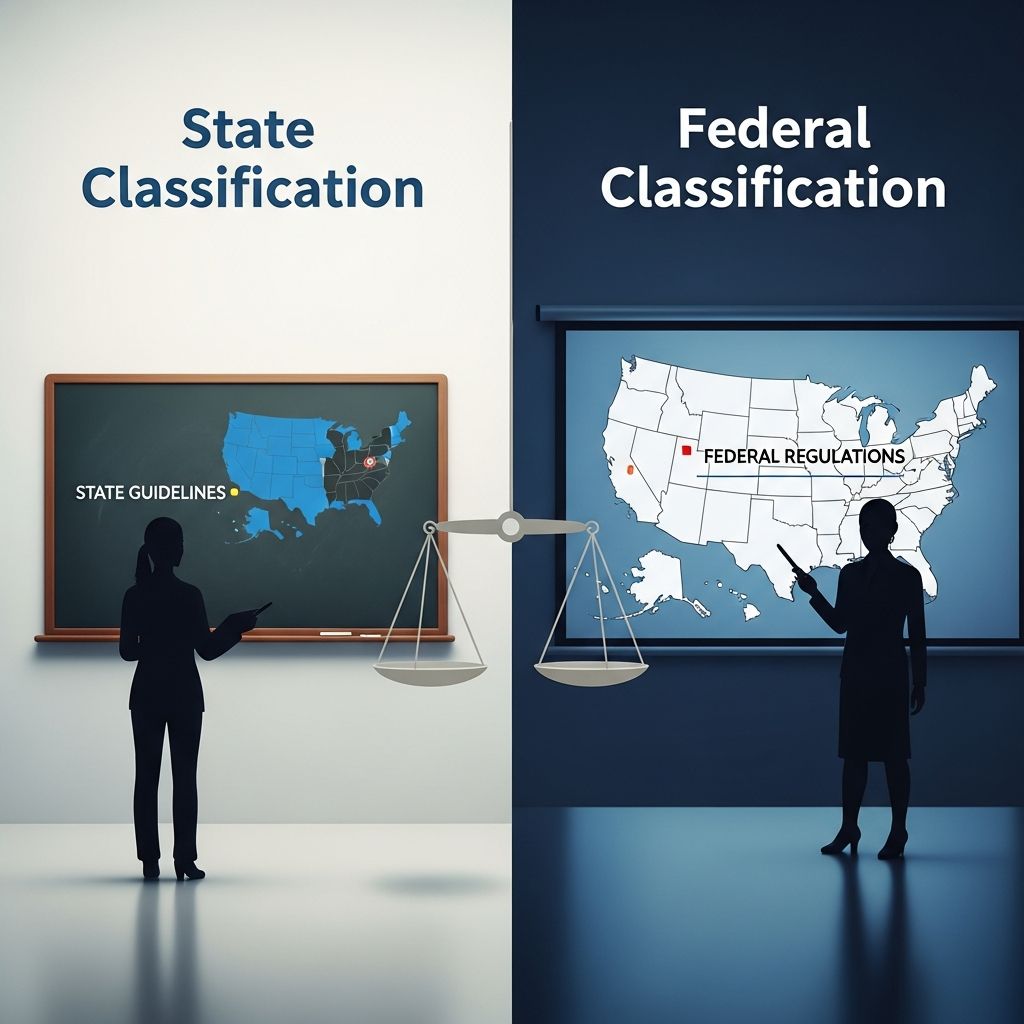
Public school teachers occupy a unique position in the governmental hierarchy. They are classified as employees of state and local governments rather than the federal government, despite working in publicly funded institutions. This distinction carries significant implications for how teachers are compensated, what benefits they receive, and which regulations govern their employment conditions. Understanding this classification requires examining the constitutional framework that established education as a state responsibility and the funding mechanisms that support public schools across the nation.
Constitutional Framework and Educational Authority
The foundation for understanding teacher employment begins with the Tenth Amendment to the United States Constitution. This amendment establishes that any powers not explicitly granted to the federal government are reserved for the states and the people. Education is one of the powers that the Constitution reserves to the individual states rather than assigning to federal authority. This constitutional principle has shaped how American education is organized and who employs educators working in public schools.
Because education falls under state jurisdiction, each state maintains authority over its public school system. States determine curriculum standards, establish teacher certification requirements, create licensing procedures, and set educational policies. While the federal government does establish certain overarching regulations and programs that states must implement, the primary responsibility for education rests with individual states and their subordinate local governments. This explains why teachers are classified as state employees first and are paid through mechanisms controlled at the state and local levels.
The Three-Tier Government Employment Structure
The United States government operates across three distinct levels, each with separate responsibilities and employment arrangements. Understanding where public school teachers fit within this structure clarifies their employment status:
- Federal Level: This tier encompasses the national government and federal agencies. Federal employees work directly for national government offices and programs. Teachers employed by the federal government are rare and typically work in specialized capacities, such as at military schools or Department of Defense educational facilities.
- State Level: Each of the fifty states operates its own government apparatus, including education systems. States hire and supervise public school teachers, establish employment policies, and determine salary structures. Teachers are technically state employees because they are hired through state systems and answer to state education authorities.
- Local Level: Below the state level, county and municipal governments manage specific school districts. Local school boards operate individual schools and make day-to-day employment decisions for teachers in their districts.
Public school teachers function as government employees, but specifically as employees of the state and local government sectors. They are not federal employees, though they are part of the broader government employment landscape. This distinction matters because it determines employment conditions, benefit eligibility, and regulatory oversight.
How Teacher Salaries Are Structured and Paid
An important distinction exists between the classification of teachers as state employees and the actual payment mechanism for teacher salaries. While teachers hold state employment status, they are not directly paid from state coffers. Instead, the structure works through an intermediary process involving funding allocation and redistribution.
States provide grants and financial allocations to local school districts and municipalities. These local governments then use state funds combined with local revenue sources to pay teacher salaries and cover other direct school expenses. This means that while teachers maintain state employment classification, the immediate employer paying their wages is typically the local school district or municipal government. Teachers are employed by their school district but hold employment status that derives from state authority and classification.
This payment structure has practical implications for teachers. When seeking employment, teachers apply to and are hired by their local school district. They interact with district administrators, follow district policies, and participate in district-specific employment processes. Yet their employment status and many of their benefits connect to state-level frameworks and regulations.
Federal Involvement in Education Funding
While the federal government does not employ public school teachers, it does play a financial role in education. The federal government allocates money for education within its annual budget, though education does not receive the largest portion of federal spending. This federal funding takes several forms:
- Federal grants distributed to states and school districts for specific educational programs
- Financial aid for special education and students with disabilities
- Grants supporting curriculum development and educational research
- Support for disadvantaged student populations through targeted programs
At the federal budgeting level, education is often combined with training, employment services, and social services when calculating budget allocations. This means education funding is sometimes grouped with other social programs rather than analyzed as a standalone category. Despite federal contributions, states and local communities provide the bulk of education funding through state budgets and local property taxes. This funding structure reinforces that education remains primarily a state and local responsibility rather than a federal one.
Public Service Worker Classification for Teachers
Teachers employed in public schools receive a specific classification designation as public service workers. This classification carries importance for federal programs and benefits, particularly regarding loan forgiveness programs. Public school teachers working in kindergarten through twelve grade systems, state colleges, and public universities qualify as public service workers because they are employed by government entities.
The public service worker designation determines eligibility for programs like Public Service Loan Forgiveness (PSLF), which forgives federal student loans for individuals who work in public service positions and make qualifying payments over a specified period. Not all teaching positions qualify under this classification:
| Teaching Position Type | Public Service Worker Status | Qualification Basis |
|---|---|---|
| Public K-12 School Teachers | Yes | Employed by state or local government |
| State College or Public University Teachers | Yes | Employed by state government institutions |
| Nonprofit Private School Teachers (501(c)(3)) | Yes | Employed by qualifying nonprofit organizations |
| For-Profit Private School Teachers | No | Employed by for-profit business entities |
| Privately Managed Charter School Teachers | No | May not qualify despite public funding |
Employment Benefits and Pension Systems
The state employment classification of public school teachers has significant implications for the benefits and protections they receive. Many states include public school teachers in state employee pension systems, providing long-term retirement security. These pension systems are designed specifically for public employees and offer defined benefits based on years of service and salary history.
Teachers also receive other employment protections associated with government work, including job security provisions, grievance procedures, and statutory employment protections. These protections exist because teaching positions are classified as government employment. Teachers may receive government rates at certain hotel chains and benefit from other government employee discounts and programs. However, the specific benefits available vary significantly depending on individual state policies and the particular school district where a teacher is employed.
The Role of School Districts as Employers
While teachers hold state employment status, school districts function as the primary employers in day-to-day operations. Local school district administrators hire teachers, evaluate their performance, and make employment decisions. School districts create employment contracts, establish working conditions, and manage teacher-specific policies. This creates a situation where teachers answer to local district leadership while maintaining classification as state employees.
School districts receive authority to operate schools from state governments. States grant school districts the power to hire teachers and manage schools within state-established guidelines. This hierarchical arrangement means that local school districts implement state policies and regulations while maintaining operational independence in many areas. Teachers navigate this dual structure where local school district leadership manages their daily work while state regulations and state-level classifications define their employment status.
Distinctions Between Different Teaching Contexts
Not all teaching positions in the United States carry the same employment classification. The nature of employment varies significantly depending on the institutional context in which a teacher works. Understanding these distinctions helps clarify why public school teachers are classified differently from educators in other settings.
Teachers in public elementary, middle, and high schools are consistently classified as state or local government employees. Teachers in state universities and public colleges also hold government employment status. Teachers in private schools operating as 501(c)(3) nonprofit organizations may qualify as public service workers, depending on their specific employment arrangement and the organization’s structure. Teachers in for-profit private schools or proprietary educational institutions do not hold government employment status. Military base schools and Department of Defense education programs employ teachers as federal employees, which represents a distinct category from public school teachers.
Government Employee Status and Its Implications
Classifying public school teachers as government employees provides certain protections and structures while creating specific regulatory frameworks. As government employees, teachers are subject to civil service rules, employment laws specific to government workers, and regulations governing public sector employment. These frameworks protect teachers from arbitrary dismissal and establish procedures for addressing employment disputes.
Government employee status also means teachers must follow specific ethical guidelines and conduct standards. Teachers are subject to conflict-of-interest regulations and restrictions on political activity that apply to government employees. These requirements exist because teachers work for governmental institutions and their conduct reflects on government agencies.
Frequently Asked Questions
Q: Are public school teachers federal employees?
A: No, public school teachers are not federal employees. They are classified as state and local government employees. While the federal government provides some funding and regulations for education, teachers are employed and paid through state and local government structures.
Q: Who actually pays teacher salaries?
A: Local school districts pay teacher salaries using funds provided by state governments combined with local revenue sources such as property taxes. While teachers hold state employment classification, the immediate employer making salary payments is the local school district.
Q: Can teachers access federal employee benefits?
A: Public school teachers do not access federal employee benefits directly. However, they may qualify for certain federal programs like Public Service Loan Forgiveness because they work for government employers. State and local governments provide most teacher benefits.
Q: Do federal taxes apply differently to teachers?
A: Teachers pay federal income taxes like other workers. Some teachers may benefit from certain tax provisions available to educators, but their tax classification does not differ fundamentally from other government employees or private sector workers.
Q: What determines if a teacher qualifies as a public service worker?
A: Public service worker status depends on the employer, not the job title. Teachers employed by public schools, state colleges, public universities, or qualifying 501(c)(3) nonprofit organizations qualify as public service workers. Teachers in for-profit schools or privately managed charter schools typically do not qualify.
Q: How does the Tenth Amendment affect teacher employment?
A: The Tenth Amendment reserves education to the states rather than the federal government. This constitutional provision is the fundamental reason why teachers are employed by state and local governments rather than by the federal government.
References
- The Constitution of the United States: Tenth Amendment — United States Government. 1791. https://www.archives.gov/founding-docs/bill-of-rights-transcript
- Are Teachers Federal Employees? — Education Corner. 2024. https://www.educationcorner.com/are-teachers-federal-employees/
- Are Teachers Public Service Workers? — Student Loan Lawyer (Tate & Associates). 2024. https://www.tateesq.com/learn/are-teachers-public-service-workers
- About the U.S. Department of Education — U.S. Department of Education. 2024. https://www2.ed.gov/about/overview/focus/what-we-do.html
- Public Service Loan Forgiveness Program — Federal Student Aid. 2024. https://studentaid.gov/manage-loans/forgiveness-cancellation/public-service

Medha Deb is an editor with a master's degree in Applied Linguistics from the University of Hyderabad. She believes that her qualification has helped her develop a deep understanding of language and its application in various contexts. Medha specializes in the areas of beauty, health, sports, and wellness and is committed to ensuring that the content on the website is…